Ukraine’s planned spring counteroffensive is about to begin, but there is no end to the war in sight. No world leader has been able to bring Russia and Ukraine to the negotiating table.
Fighting has already been going on for over a year and as commentator Luke Coffey of the Hudson Institute has said, “U.S. policymakers should see this war as a series of campaigns that will stretch for years instead of a disconnected series of battles lasting months.”
America has already spent $40 billion since Feb. 24, 2022 on helping Ukraine and has allocated $115 billion overall. This represents 2% of the U.S. budget. Making peace between Russia and Ukraine would be a lot less expensive.
I believe the right leadership can make that happen. It won’t be easy, but little or no progress has been made thus far.
I have mentioned in previous articles on the subject that it took President Theodore Roosevelt to negotiate peace following the Russo-Japanese War of 1904-1905. He won a Nobel Peace Prize for his efforts. The Russians lost that war with 60,000 soldiers killed. It is estimated that the Russians have already lost 200,000 men in the war with Ukraine.
Ukraine’s counteroffensive should be used as a catalyst to bring Russia to the negotiating table. This counteroffensive must be bold and decisive, and the Ukrainians must be given all the equipment, munitions and weapons they need to make the Kremlin think twice about continuing their aggression. Otherwise, Luke Coffey’s prediction “this war will be long and measured by years, not months” will be proven correct.
The war has already taken its toll on the global economy. European countries have had to divert money allocated to their social programs to defense and to supporting Ukraine. The United States’ stockpiles of munitions stored in Israel have been severely depleted. This puts Israel in a precarious position as it faces a multi-front war on the eve of destroying Iran’s nuclear program.
Preventing Iran from obtaining nuclear weapons is still the number one priority in foreign affairs, but the Russia-Ukraine war is a close second. We need strong leadership more than ever.
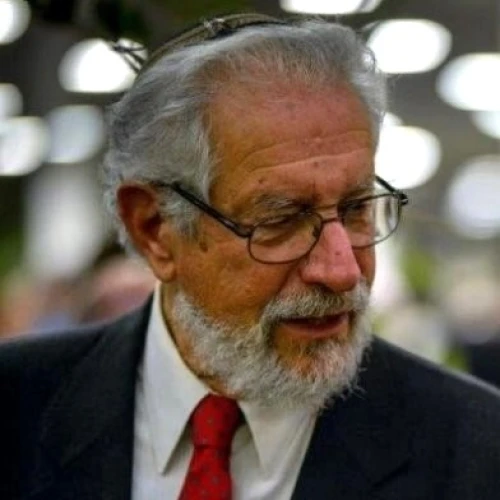
Dr. Joseph Frager is chairman of Israel advocacy for the Rabbinical Alliance of America, chairman of the executive committee of American Friends of Ateret Cohanim and executive vice president of the Israel Heritage Foundation.