Hezbollah leader Hassan Nasrallah is making blatant threats that if no solution is found to Israel’s dispute with Lebanon over Israel’s Karish gas rig in the Mediterranean by September 2022, when drilling is supposed to start there, Hezbollah will not permit Israel to drill. These threats increase the possibility of a military escalation between Hezbollah and Israel.
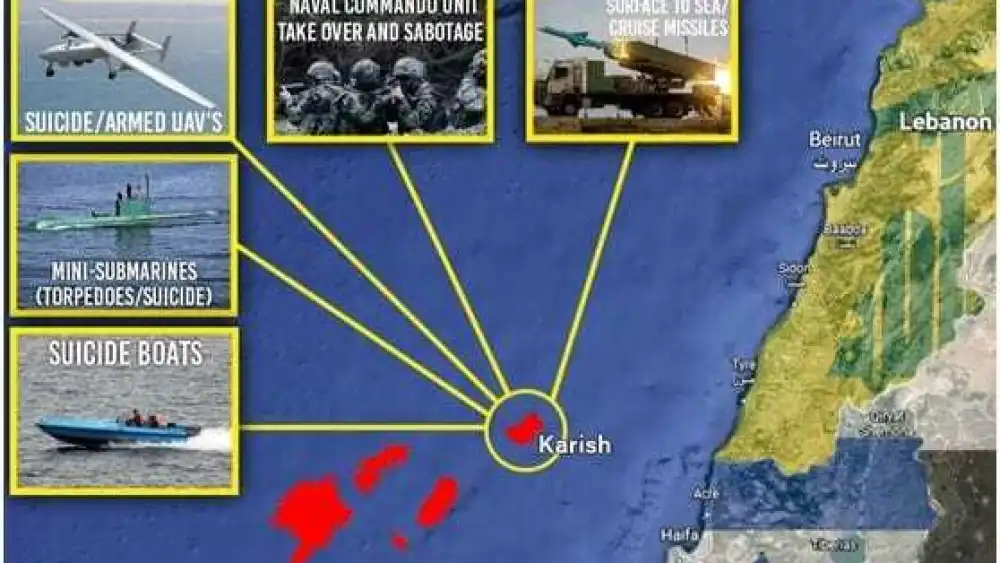
Hezbollah’s launching of four unarmed drones at the gas rig in July, even with the knowledge that Israel would shoot them down, was meant as a concrete warning that if the sides failed to reach an agreement, Hezbollah would launch armed drones of various kinds. Nasrallah indicated that Hezbollah has various capabilities in the air, land and sea and will use whatever serves it at the appropriate time. Nasrallah further threatened that he was prepared to widen the clash “beyond Karish”—an allusion to his threat “beyond Haifa” during the 2006 war between Israel and Hezbollah—and to hit other Israeli energy facilities in the Mediterranean.
Hezbollah’s propaganda machine asserts that a new stage of the conflict with Israel has begun and that the terror group is in a state of operational preparedness for a wide-scale war that will not be limited to special operations. The organization published an interactive map of Israel’s energy production facilities in the Mediterranean, emphasizing that they are within Hezbollah’s striking range. Hezbollah also underlined that the IDF military command opposes military action and recommends that Israel’s political leadership show flexibility and reach an agreement with Lebanon.
Meanwhile, Mohammad Raad, head of Hezbollah’s bloc in the Lebanese parliament and a personal confidant of Nasrallah, said that Hezbollah “does not wish for war, but is ready and prepared for it. … You will see our might when you make a wrong choice and resort to aggression in the coming days.”
Hezbollah is encouraged by the fact that the United States is not taking Israel’s side on the issues in dispute and that President Biden did not address them during his visit to Israel. Furthermore, Hezbollah views transitional Prime Minister Yair Lapid’s silence in the face of Nasrallah’s threats as Israeli reluctance to be drawn into a military clash with Hezbollah. Hezbollah has put together a profile of Lapid, and it is now carefully observing his moves. Overall, it appears that Hezbollah interprets Israel’s silence as a desire to avoid a military confrontation during the election campaign for fear that it would influence the results.
Analysis of Nasrallah’s behavior indicates that he is prepared to take risks vis-à-vis Israel, which, for its part, has been sidestepping them so far. Nasrallah interprets Israel’s wariness of a confrontation as weakness stemming from the fact that it is deterred and fearful of armed hostilities.
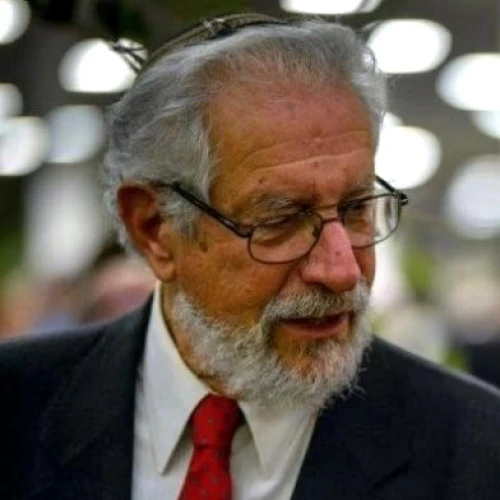
Brig.-Gen. (ret.) Dr. Shimon Shapira is a senior researcher at the Jerusalem Center for Public Affairs. He served as military secretary to the Israeli prime minister and chief of staff to the foreign minister. He edited the Jerusalem Center ebook Iran: From Regional Challenge to Global Threat and is the author of Hizballah: Between Iran and Lebanon.
This article was originally published by the Jerusalem Center for Public Affairs.