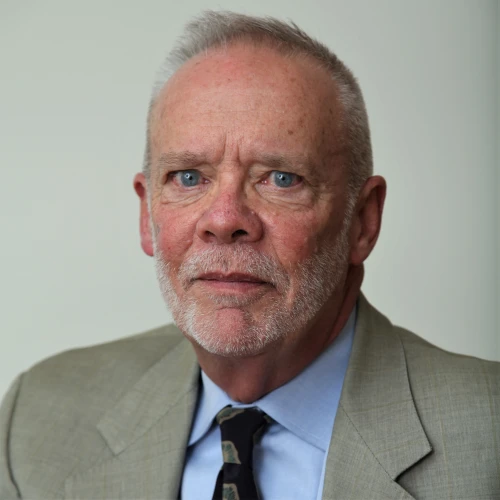
A quote from the late Rabbi Abraham Joshua Heschel will be at the center of a mural set to be painted in a public square in Buenos Aires at the end of November.
The city government and the Latin American Rabbinical Seminary held a contest to design a mural honoring human-rights activist Rabbi Marshall Meyer, who spoke out for liberty while working in Buenos Aires during Argentina’s military dictatorship government from 1976 to 1983.
Meyer was mentored by Heschel, an activist who participated in the Alabama protest march with Rev. Martin Luther King Jr. from Selma to Montgomery in 1965.
A graffiti design of the phrase Marchar es como rezar con los pies (“Marching is like praying with your feet”) was proposed by 29-year-old artist Ariel Mintzer.
“All I have learned about Marshall Meyer came to me from my dad, who was a student of Marshall,” Mintzer told JTA. “Talking with him, I realized that this motto is a good synthesis of his role in Argentina.”
The mural will stand about 56 feet long and 6.5 feet high. It will be located in the north of the city, near Meyer’s Bet El synagogue.