Newsletter
Newsletter Support JNS

Report: Once again, Jews are most targeted religious group for hate crimes in 2018

Overall, the number of hate crimes decreased slightly in 2018, following increases over three consecutive years. There were 7,120 such incidents in 2018, down from 7,175 the previous year.

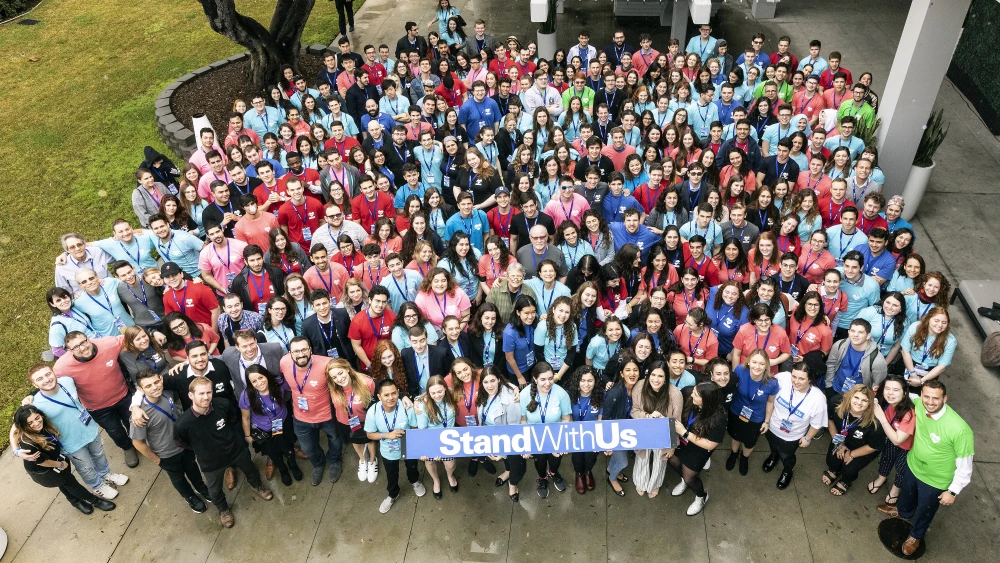
Attendees of a student conference on tackling anti-Semitism on North American college campuses gathered outside of the Hyatt Regency near the Los Angeles airport. Credit: JC Olivera Photography.

Jews were the most targeted for hate crimes among religious groups in 2018, according to an FBI report released on Tuesday.

Some 1,550 reported incidents of hate crimes were motivated by religious bias in 2018, in which 57.8 percent, or 835, of them targeted the Jewish community—a decrease from 938 the previous year.

Overall, the number of hate crimes decreased slightly in 2018, following increases over three consecutive years. There were 7,120 such incidents in 2018, down from 7,175 the previous year.

“@FBI just released the 2018 data on hate crimes in the US: while the total hate crimes decreased slightly in 2018 after three consecutive years of increases, the numbers are still very disturbing,” tweeted the Anti-Defamation League.

“These attacks come amid a broader rise in violent extremism across Canada and other Western democracies—a toxic brew of anti-Zionist rhetoric, local criminal elements, Iranian-backed proxies and ISIS-inspired terrorism,” CIJA stated.
“Iran and Israel are the only two countries on this planet that have a biblical relationship,” the exiled Iranian Crown Prince Reza Pahlavi said.
“We discussed the friendship and relations between Israel and Bahrain, as well as the importance of the U.S.-led Abraham Accords,” Isaac Herzog said.
The cause of the blaze near the grave of Rabbi Shneur Zalman of Liadi was not immediately clear.
The Japanese Red Army member, who helped kill 26 people, lived in Lebanon since his release in a 1985 prisoner exchange.
The suspect’s writing about the deadly Samaria shooting prompted an investigation and the seizure of ammunition, cash and fireworks.