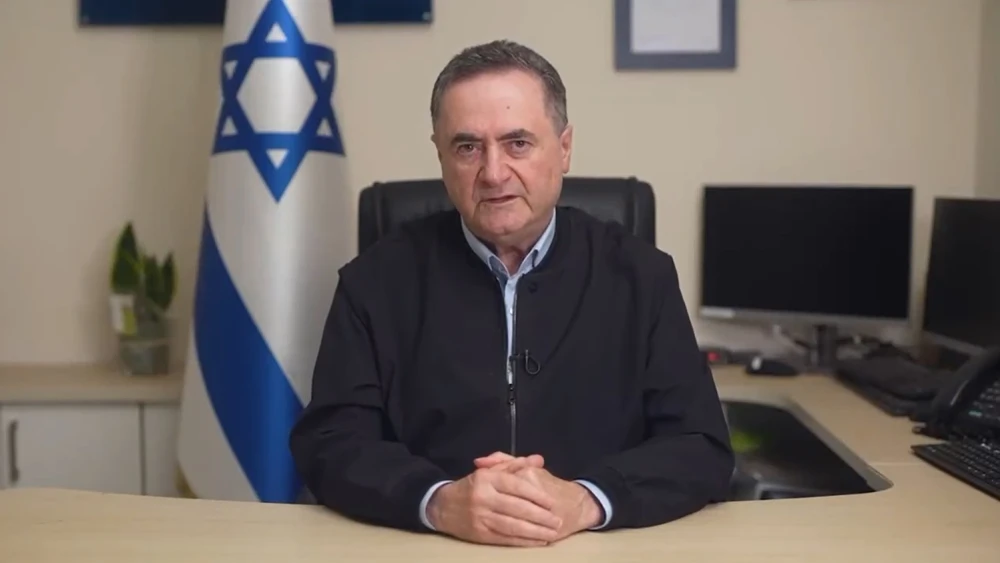
Defense Minister Israel Katz said Israeli forces will continue holding territory inside Southern Lebanon as part of efforts to dismantle Hezbollah’s military capabilities, even as a 10-day ceasefire remains in effect.
“The IDF holds and will continue to hold all the areas it has cleared and captured,” Katz said in remarks released on Friday. “The ground maneuver into Lebanon and the strikes against Hezbollah throughout the country achieved many gains, but the mission has not yet been completed.”
Israel and Lebanon agreed to a 10-day truce on Thursday following calls between U.S. President Donald Trump and the leaders of each country.
According to Katz, more than 1,700 Hezbollah terrorists have been killed during Israel’s military campaign—more than double the number slain during the 2006 Second Lebanon War. He said Israel has established a security zone extending roughly 10 kilometers from the border, stretching from the Mediterranean coast to the Mount Hermon region, designed to prevent infiltration and direct anti-tank fire on northern communities.
“The security zone has been cleared of terrorists and weapons and will continue to be cleared of terror infrastructure,” Katz said, adding that areas between the security zone and the Litani River remain under Israeli fire control but have not yet been fully demilitarized.
Katz emphasized that Israel remains committed to the central war aim of disarming Hezbollah, whether through diplomatic pressure or continued military operations.
“The objective we defined—the disarmament of Hezbollah by military or diplomatic means—remains the goal of the campaign,” he said. “A significant diplomatic lever has now been created through direct involvement of the president of the United States and pressure on the Lebanese government.”
The Israeli and Lebanese ambassadors to the United States agreed on Tuesday that their countries would hold direct negotiations following the first meeting between the two sides since 1993.
The defense minister praised residents of northern Israel for their resilience during months of attacks.
“I strengthen the residents of the north and salute their steadfastness,” Katz said. “We promised security for the residents of the north, and we will deliver.”