Argentina on Friday commemorated the 31st anniversary of the worst terrorist attack in the country’s history, a car bombing that targeted the seven-story Argentine Israelite Mutual Association (AMIA) community center in Buenos Aires.
The attack on July 18, 1994, left 85 people dead and more than 300 wounded.
Events marking the attack were held across the country, with an official commemoration held in Congress for the first time.
In Buenos Aires, hundreds gathered in a ceremony held outside the rebuilt AMIA building, demanding justice for the crime. Attendees could be seen holding photographs of the victims.
President Javier Milei attended the event, held under the slogan “Impunity persists, terrorism too,” according to AFP. The staunch Israel supporter did not deliver a speech, but told reporters that “we won’t stop until justice is done.”
Israeli Foreign Minister Gideon Sa’ar marked the date on X, saying that “we remember with sorrow the 85 victims.”
He thanked Milei and his government “for their unwavering commitment to justice and firm stance against the terrorism that Iran continues to promote.” Sa’ar further remarked that the two allies were “united in the fight for liberty and against terror.”
In April 2024, an Argentine court found Iran and Hezbollah were responsible for what it called a crime against humanity for the attack on the Jewish community center.
Last month, a judge authorized a trial in absentia of 10 Iranian and Lebanese defendants, consisting of former ministers and diplomats, AFP reported.
The prosecution in April 2025 requested a national and international arrest warrant for Iran’s Supreme Leader Ali Khamenei over his involvement in the AMIA attack.
Khamenei “led the decision to carry out a bomb attack and issued an executive order or fatwa to carry it out,” the Clarín daily quoted the lead prosecutor in the three-decade old case, Sebastián Basso, as saying.
The request made to a federal court judge is a significant shift from previous investigators in the case who viewed Khamenei as having diplomatic immunity.
Argentina has long maintained that senior Iranian officials operating through their Lebanese terrorist proxy Hezbollah played a key role in the attack. But three decades of Argentine government probes delayed and marred by corruption coupled with Iran’s refusal to hand over any of the suspects sought for trial have not yielded any conviction for the bombing.
In 2024, the Inter-American Court of Human Rights in San Jose, Costa Rica, found Argentina responsible for not preventing, or properly investigating, the 1994 bombing, the report further read.
Prosecutor Alberto Nisman, who investigated accusations of a cover-up against former President Cristina Kirchner, was later found murdered, with no one ever charged over his death.
The long-delayed legal action currently underway was enabled by a bill pushed through the Argentine National Congress earlier this year by Milei that authorizes trials in absentia for fugitives who have long sought to evade justice.
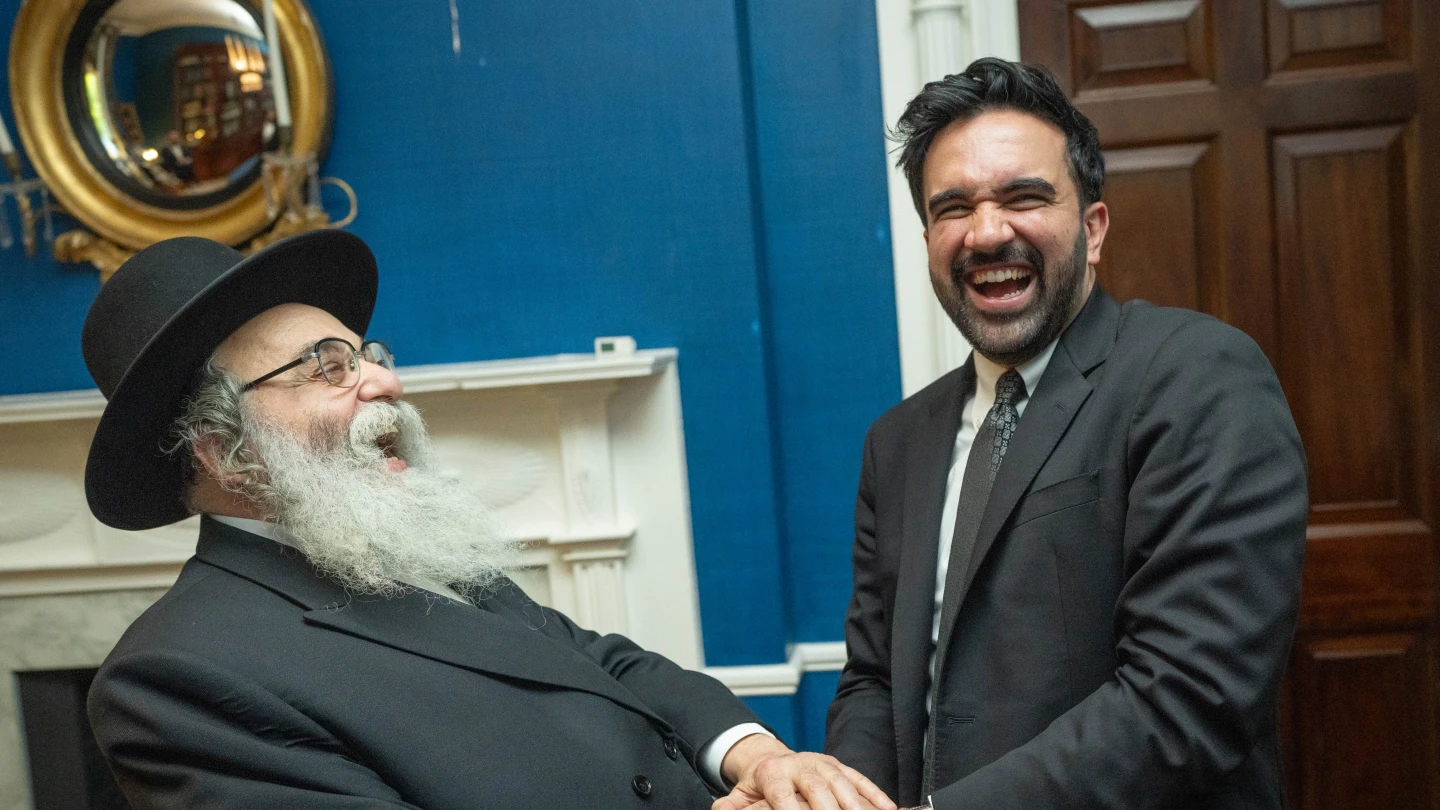
“This is a turning point after years of impunity. Justice will be served—even if the perpetrators refuse to appear,” said Argentina’s Ambassador to Israel Axel Wahnish.
Argentina hosts the largest Jewish community in Latin America, with an estimated 180,000 to 220,000 members.