Questioned about Prime Minister Benjamin Netanyahu’s possible plans for a full military occupation of Gaza, President Donald Trump emphasized the American role in fostering stability across the region.
“We have stopped wars in the Middle East by stopping Iran from having a nuclear weapon ... as soon as they start, we’ll be back,” he told reporters at the White House on Wednesday.
Trump underscored that the broader pattern of conflict hinged on the Islamic Republic’s influence, describing Iran as the “perpetrator of hate” and suggesting that American actions had changed the security landscape: “I think it’s going to be a lot different in the coming years.”
Earlier in the press Q&A, the president detailed recent U.S. actions against Iran’s nuclear ambitions, stating, “We wiped out their nuclear capacity for weapons. They would have had a weapon within two months, maybe less, and that was totally obliterated.”
He credited the U.S. military for the success, highlighting B2 bombers, precision strikes and submarine-launched Tomahawks. “That was a big threat. That was a nuclear threat,” Trump said, emphasizing the effectiveness and impact of the operation.
In a post on his Truth Social platform on Thursday, the U.S. president wrote that “now that the nuclear arsenal being ‘created’ by Iran has been totally obliterated, it is very important to me that all Middle Eastern countries join the Abraham Accords.
“This will insure [sic] peace in the Middle East. Thank you for your attention to this matter!” added Trump.
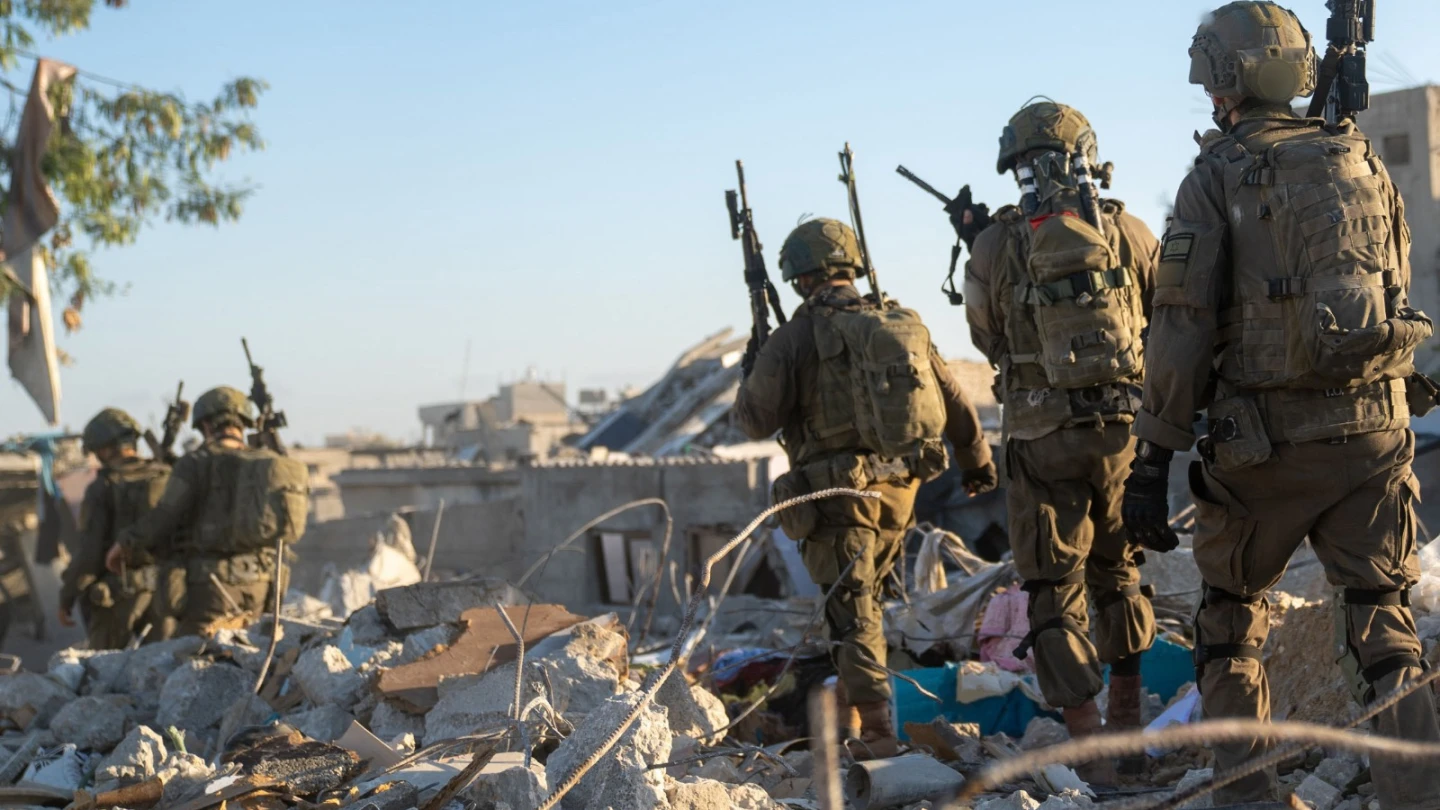
On Tuesday, Trump indicated that Washington regards Israel’s military decisions in Gaza as a matter for Jerusalem to decide. Asked by a reporter at the White House, “Would you support Israel ... reoccupying all of Gaza as has been suggested by some Israeli officials?” the president said he was not familiar with such suggestions, adding, “I can’t really say. It will be up to Israel.”
Instead, the president emphasized the United States’ ongoing focus on humanitarian aid for Gaza, highlighting a recent $60 million aid package. He noted that both Israel and Arab states would assist in distributing food and financial support, reiterating that his current focus was addressing humanitarian needs in the region.
At Monday’s Cabinet meeting in Jerusalem, Netanyahu said he would convene the Security Cabinet later in the week “to direct the IDF how to achieve the three war objectives we have set.”
“We must continue to stand together and fight together in order to achieve the objectives of the war we have set—all of them: defeating the enemy, releasing our hostages and ensuring that Gaza will never again threaten Israel,” said the Israeli premier.