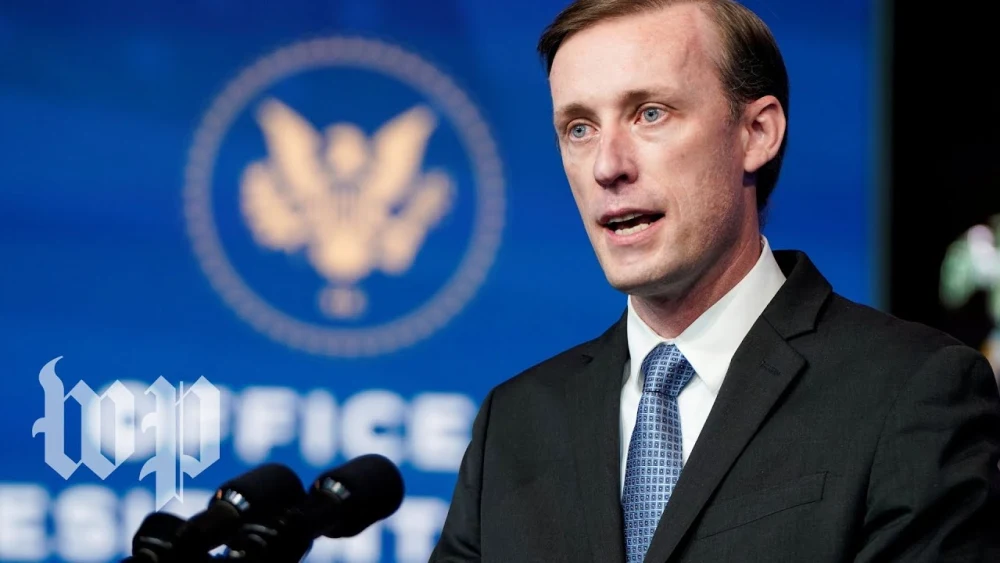
The United States and Iran have been engaged in indirect diplomacy in an effort to revive the 2015 nuclear deal, White House National Security Advisor Jake Sullivan said on Friday.
“Diplomacy with Iran is ongoing, just not in a direct fashion at the moment,” he said, reported Reuters. “There are communications through the Europeans and through others that enable us to explain to the Iranians what our position is with respect to the compliance-for-compliance approach, and to hear what their position is.”
The administration of former U.S. President Donald Trump withdrew from the Joint Comprehensive Plan of Action in May 2018, while imposing and increasing previous sanctions. The administration of U.S. President Joe Biden is seeking to renew talks, but Iran has been demanding the removal of all sanctions as a precondition.
“We are waiting at this point to hear further from the Iranians how they would like to proceed,” said Sullivan, according to the report. “This is not going to be easy, but we believe that we are in a diplomatic process now that we can move forward on, and ultimately secure our objective, which is to prevent Iran from getting a nuclear weapon and to do so through diplomacy.”