In a moment that embodies both profound loss and extraordinary moral courage, members of Kibbutz Nirim, which was attacked by Hamas terrorists on Oct. 7, 2023, have made an unexpected and deeply moving decision: to redirect donations intended for their own rehabilitation to support frontline kibbutzim in northern Israel.
This decision comes even though the community in Nirim is still in urgent need of funding to rebuild and restore their community and recover from one of the most devastating attacks in Israel’s history.
Kibbutz Nirim, one of the communities devastated as part of the massacre on Oct. 7, continues to undergo a long and complex rehabilitation process. Families are still rebuilding not only physical structures, but also a sense of safety, belonging and continuity. The need for support remains critical. And yet, from within this reality, the community made a conscious decision to look beyond its own pain.
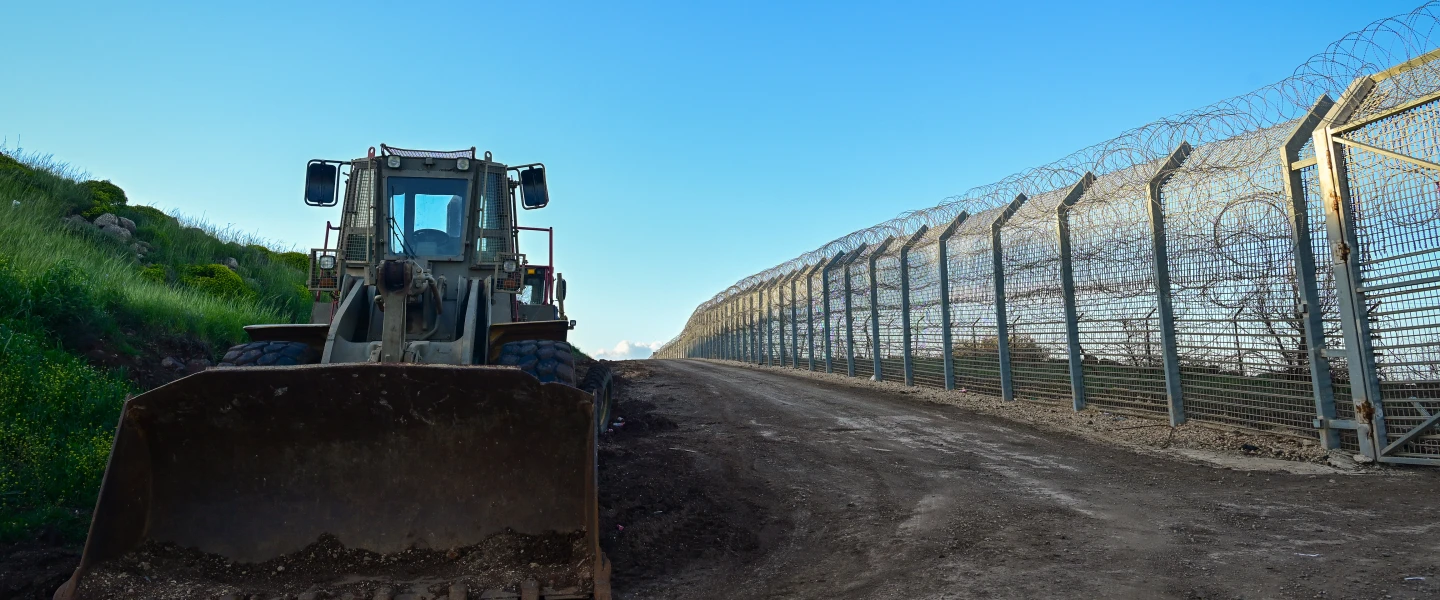
Today, frontline kibbutzim in northern Israel, including Misgav Am, Manara, Snir, Evron, Metzuba and others, are living under constant threat and uncertainty in light of fighting between Israeli forces and Hezbollah in Southern Lebanon.
Maya Liberman, community manager of Kibbutz Nirim, wrote to the Kibbutz Movement Rehabilitation Fund, stating: “At this time, the communities of the north in general, and the frontline kibbutzim in particular, are living in an impossible reality, and our hearts go out to them. We feel, in the deepest fibers of our being, what our brothers and sisters in the north are going through. Despite the urgent rehabilitation needs that still exist in Nirim. We are asking that donations from the Kibbutz Movement Rehabilitation Fund that are designated for Kibbutz Nirim be redirected to the rehabilitation of the frontline kibbutzim for whatever needs are required.”

For residents in these areas, rehabilitation is not a distant phase; it is an ongoing struggle. Children grow up in a reality of interruptions and anxiety, while parents strive to maintain routine and stability under impossible conditions. Entire communities are fighting not just to rebuild infrastructure, but to preserve dignity, resilience and hope.
Neri Shotan, CEO of the Kibbutz Movement Rehabilitation Fund, says such moments reveal the extraordinary strength of mutual responsibility within the kibbutz movement, as well as and a troubling reality: “Even today, as entire communities struggle to rebuild, it is the public—citizens, foundations and the Jewish Diaspora—who step in, while the state is absent. The growing phenomenon of crowdfunding and the increasing reliance on philanthropy, exemplified by Nirim’s choice to redirect donations to frontline kibbutzim despite the severe damage it suffered on Oct. 7, demonstrates extraordinary solidarity. But it also highlights a troubling reality: the growing dependence on philanthropy in place of basic state responsibility.”
The Kibbutz Movement Rehabilitation Fund continues to serve as a critical lifeline, providing emergency grants, educational frameworks, agricultural recovery, community rebuilding, and resilience programs to both southern and northern communities. But the scale of need remains immense and ongoing.