Newsletter
Newsletter Support JNS

Despite US opposition, Iran to continue fuel shipments to Venezuela, if needed

Washington is monitoring the situation and has warned outsiders that they could face repercussions if they take part in transactions.

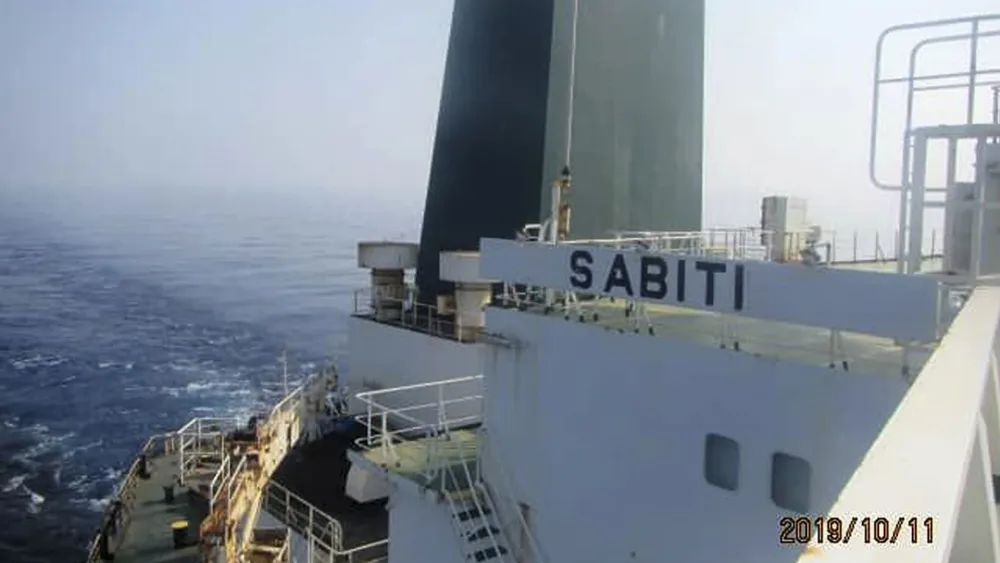
Iranian Oil Tanker
The Iranian oil tanker “Sabiti” traveling along the Red Sea on Oct. 11, 2019. Credit: SHANA, the official news agency of the Iranian Oil Ministry.

The Iranian Foreign Ministry spokesman said Monday that the country would continue sending fuel shipments to Venezuela, if requested, disregarding U.S. opposition to trade between the two countries under U.S. sanctions.

“Iran practises its free-trade rights with Venezuela, and we are ready to send more ships if Caracas demands more supplies from Iran,” said Abbas Mousavi on state TV, reported Reuters.

Washington is closely following the fuel shipments and has warned any parties that they could face repercussions if they take part in transactions.

Iran already sent a flotilla of five oil tankers to Venezuela in May. Fuel began arriving in Venezuela’s gasoline stations on Saturday, according to Reuters.

More than 1,500 stations across the country are going to start working as part of a new system that includes monthly quotas and higher prices announced by Venezuelan President Nicolás Maduro, ending more than 20 years of almost free gasoline, which has been heavily subsidized in the country.

Melat Kiros, who said that Oct. 7 was the “inevitable consequence of apartheid,” unseated 15-term incumbent Rep. Diana DeGette in the Democratic primary to represent Denver in Congress.
Abdulkadir Al-Jelani, 58, is due in court on July 1 and faces charges of making the threats and three counts of assault with a weapon.
The designations include Hezbollah-linked institutions that “threaten regional stability, international security, mutual interests and global trade,” the U.S. Treasury Department stated.
Gerard Filitti, of the Lawfare Project, told JNS that “lax immigration policy” has always been the main driver of importing “terrorist ideology” into the United States.
“The teachers we have, we don’t respect and support in the way that they deserve,” Paul Bernstein told JNS. “If we’re successful and we grow enrollment, that problem only gets bigger.”
“The message being sent is that you can get away with attacking someone in broad daylight because you disagree with their opinions, especially if it involves feelings about Israel,” Joshua Burt, of the Anti-Defamation League, told JNS.