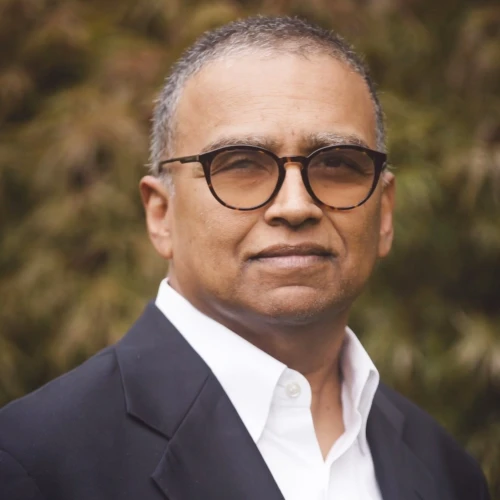
Mohammad Javad Zarif reportedly submitted his resignation as vice president to Iranian president Masoud Pezeshkian after an unnamed, senior regime official told him to do so.
Pezeshkian received the resignation letter but has yet to respond, IRNA, Tehran’s official outlet, stated on Sunday. Regime media also reported that Zarif expressed a preference to serve the country as a university professor.
The London-based Guardian reported on Monday that Zarif implied that his departure was involuntary and that a “high-ranking official” instructed Pezeshkian to fire him.
Pezeshkian reportedly refused the order and asked the regime official to fire Zarif directly. Zarif implied that the move was backed by Supreme Leader Ayatollah Ali Khamenei, according to The Guardian.
“Yesterday, I went to meet him at the invitation of the head of the judiciary,” Zarif wrote to the president, per The Guardian. “Referring to the country’s conditions, he recommended that I return to university to prevent further pressure on the government, and I immediately accepted.”
Zarif also quit within days of his appointment in August but withdrew his resignation at Pezeshkian’s request. He was the official who negotiated the 2015 Iran nuclear deal on the Islamic Republic’s behalf.
Iran International said on Sunday that the outgoing vice president is no stranger to resignations. He submitted five during his term as foreign minister under former Iranian President Hassan Rouhani, it said.
Zarif is believed to have run alongside Pezeshkian to help negotiate a renewed nuclear agreement with world powers similar to the 2015 Joint Comprehensive Plan of Action (JCPOA), which U.S. President Donald Trump halted during his first term.
Khamenei, the Islamic Republic’s ultimate decision-maker, rejected talks with the U.S. last month, calling the plans “neither wise, nor intelligent, nor honorable,” according to Iran International.
Pezeshkian reportedly told parliament on Sunday that while he initially supported renewed negotiations with the Trump administration, he would stick to Khamenei’s position against conducting talks.
“I believed it was better to engage in dialogue, but when the leader said we would not negotiate with the United States, I said, ‘We will not negotiate with the U.S., period,’” Pezeshkian reportedly informed lawmakers.