Newsletter
Newsletter Support JNS

A third of Palestinian political parties have logos erasing State of Israel

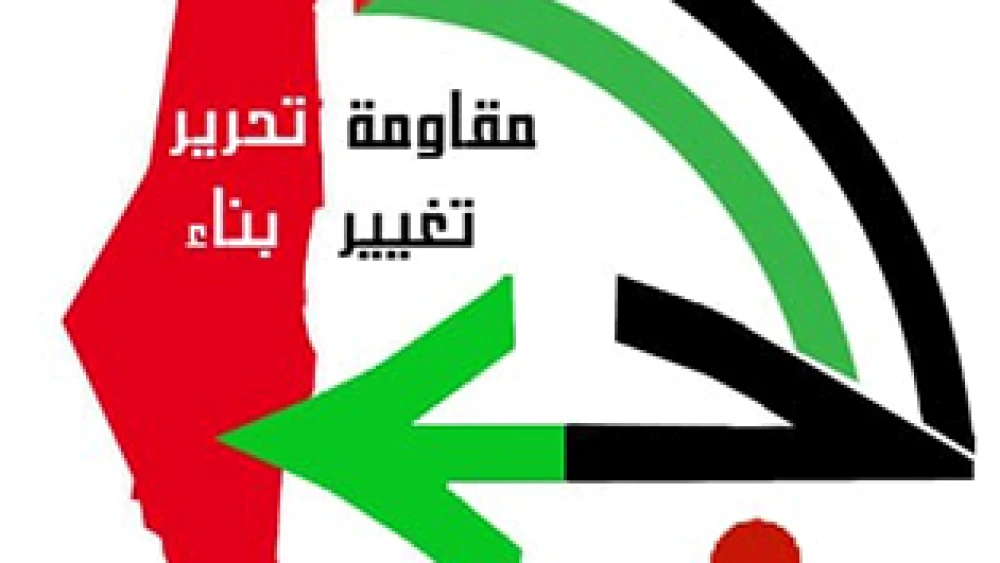
Of the 36 parties running in the upcoming Palestinian parliamentary elections, 11 employ images showing all of Israel replaced with “Palestine.”

Logo of the Palestine is for Everyone Party. Credit: Palestinian Media Watch.

Of the 36 parties participating in the Palestinian Authority’s May 22 parliamentary elections, 11 have logos featuring a map of “Palestine” that completely erases the State of Israel.

These include the two dominant Palestinian political movements, P.A. leader Mahmoud Abbas’s Fatah faction, and Hamas, the terrorist group that controls the Gaza Strip.

Fatah’s logo also includes two rifles and a grenade.

The following are some of the parties and their logos:

Hamas—“Jerusalem Is Our Promise”
Hamas — Jerusalem is Our Promise

The Fatah flag. Credit: Wikimedia Commons.
The Fatah Movement

The Popular Front for the Liberation of Palestine—The People's Pulse
The Popular Front for the Liberation of Palestine — The People’s Pulse

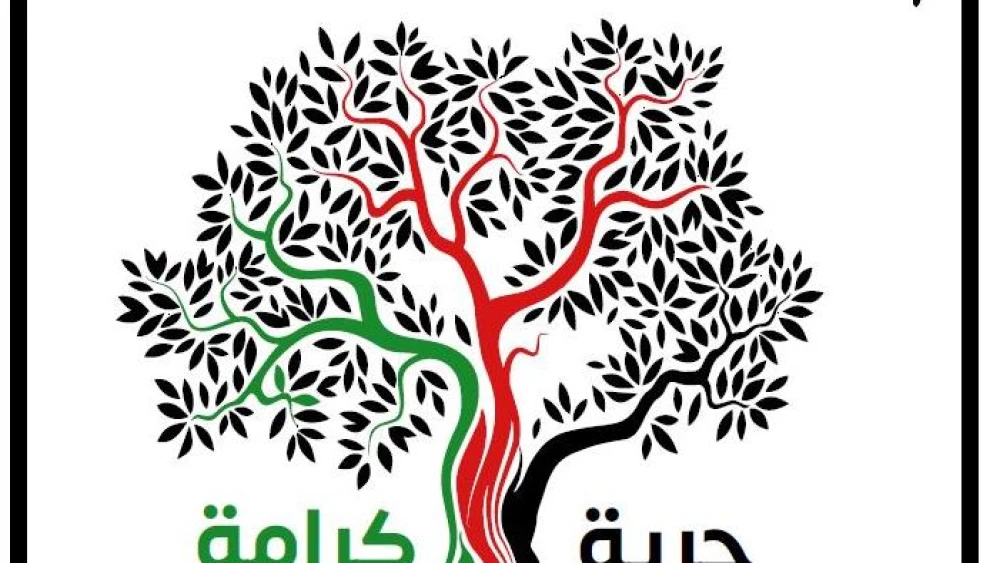
Freedom and Dignity (Independent)

The rest of the logos are available here.

“I’ve read and seen a lot of what others have had to say in response, and I understand the hurt I caused and am truly sorry,” Rama Duwaji told an online arts magazine.
The legislation would empower the New York City Police Department to set limits on how close demonstrators can gather near schools, as critics warn of free speech infringement.
The move aims to boost long-haul capacity as other airlines scale back routes to and from Israel.
“School districts, like colleges and universities, must take prompt and effective action to address antisemitic harassment,” stated Harmeet Dhillon, assistant U.S. attorney general for civil rights.
Just one Democratic congressman voted against the measure to require U.S. forces to be withdrawn from the conflict with Iran.
“This tool makes it easier to confront and understand family histories connected to the Nazi era,” Die Zeit stated in its introduction of the database.