Newsletter
Newsletter Support JNS
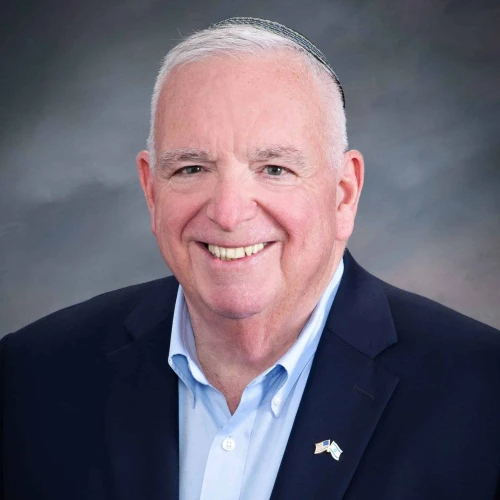
Stephen M. Flatow. Credit: Courtesy.

Stephen M. Flatow

Stephen M. Flatow is president of the Religious Zionists of America. He is the father of Alisa Flatow, who was murdered in an Iranian-sponsored Palestinian terrorist attack in 1995, and author of A Father’s Story: My Fight for Justice Against Iranian Terror. (The RZA is not affiliated with any American or Israeli political party.)
The Jerusalem Declaration’s extremely narrow wording effectively excuses most anti-Israel vitriol as being just “criticism of Israeli policies.”
This time, she responded to her critics with the feigned: “I didn’t say it. You misinterpreted me. And also, you’re a bunch of racists.”
Seventy-five years? Try 99. It was in 1922 that Palestine was divided—actually divided, not just proposed, as the United Nations did in 1947.
It’s as if certain media outlets form a kind of protective cordon around Jewish critics of Israel in order to ensure that they are not asked difficult or embarrassing questions.
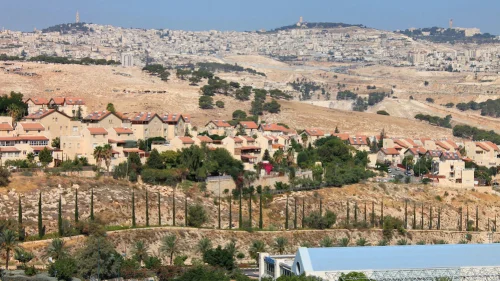
There is no legal, historic or religious basis for the Zionist left’s campaign to stop Jews from buying land in Judea and Samaria.
I don’t pretend to know what goes on inside the heads of Jews so committed to bullying Israel that they will honor and even defend individuals who have made anti-Semitic remarks, as long as those individuals further the cause of undermining Israel.
The U.S. secretary of state needs to be calling the Palestinian Authority to talk about its lack of democracy, not reflexively assume that Israel is somehow to blame for how the P.A. governs its people.
What should American Jews do? Turn to all our tried-and-true methods of lobbying and protest. And do it now—while there is still time.
The United States doesn’t finance schools in Iran or North Korea. So why should it pay for those under the Palestinian Authority, which not only sponsors terrorists but spreads some of the most vicious anti-American propaganda in the world?
It’s a case of journalistic malpractice and requires an apology.
For several weeks now, various editors, journalists and pundits have been busily manufacturing a mini-crisis, presumably in order to provoke tension between the American and Israeli governments.
Some of Tzur Hadassah’s residents are in a pickle: Either they accept the apartheid-like implications of the Union for Reform Judaism’s position—by refusing to drive on certain roads, ride on certain buses or buy houses on certain streets—or they risk being denounced by their own religious leaders.