Newsletter
Newsletter Support JNS

Bennett picks new political adviser, spokesperson and bureau chief of staff

“You know about the big challenges, but it is important that you know that the atmosphere here is very good,” tweeted Shimrit Meir, the prime minister’s new political adviser.

Shimrit Meir when she was editor-in-chief of “Al-Masdar” (“The Source”), an online Arabic-language newspaper, in Tel Aviv, on March 2, 2105. Photo by Tomer Neuberg/Flash90.

Israeli Prime Minister Naftali Bennett announced appointments on Tuesday for his bureau chief of staff, spokesperson and political adviser.

Tal Gan-Zvi, who has been accompanying Bennett since his entry into national politics in 2012, is the premier’s new spokesperson, according to Ynet. Gan-Zvi is considered Bennett’s confidant; he conducted coalitionary negotiations on behalf of Bennett’s Yamina Party.

Shimrit Meir, who until recently had been a Middle East analyst and editor of multiple Israeli media outlets, has been named as Bennett’s political adviser.

“Thank you to everyone for the support and warm words, and thank you to the prime minister for the faith,” Meir tweeted on Tuesday. “You know about the big challenges, but it is important that you know that the atmosphere here is very good.”

Matan Sidi, 25, has been tapped as Bennett’s new spokesperson. He previously served in the role during Bennett’s time as education minister and defense minister.

For members of Texans for a Safe Israel, the region’s volatility is no obstacle.
Israel’s longest-serving prime minister said that the Knesset must form “a strong national right-wing government.”
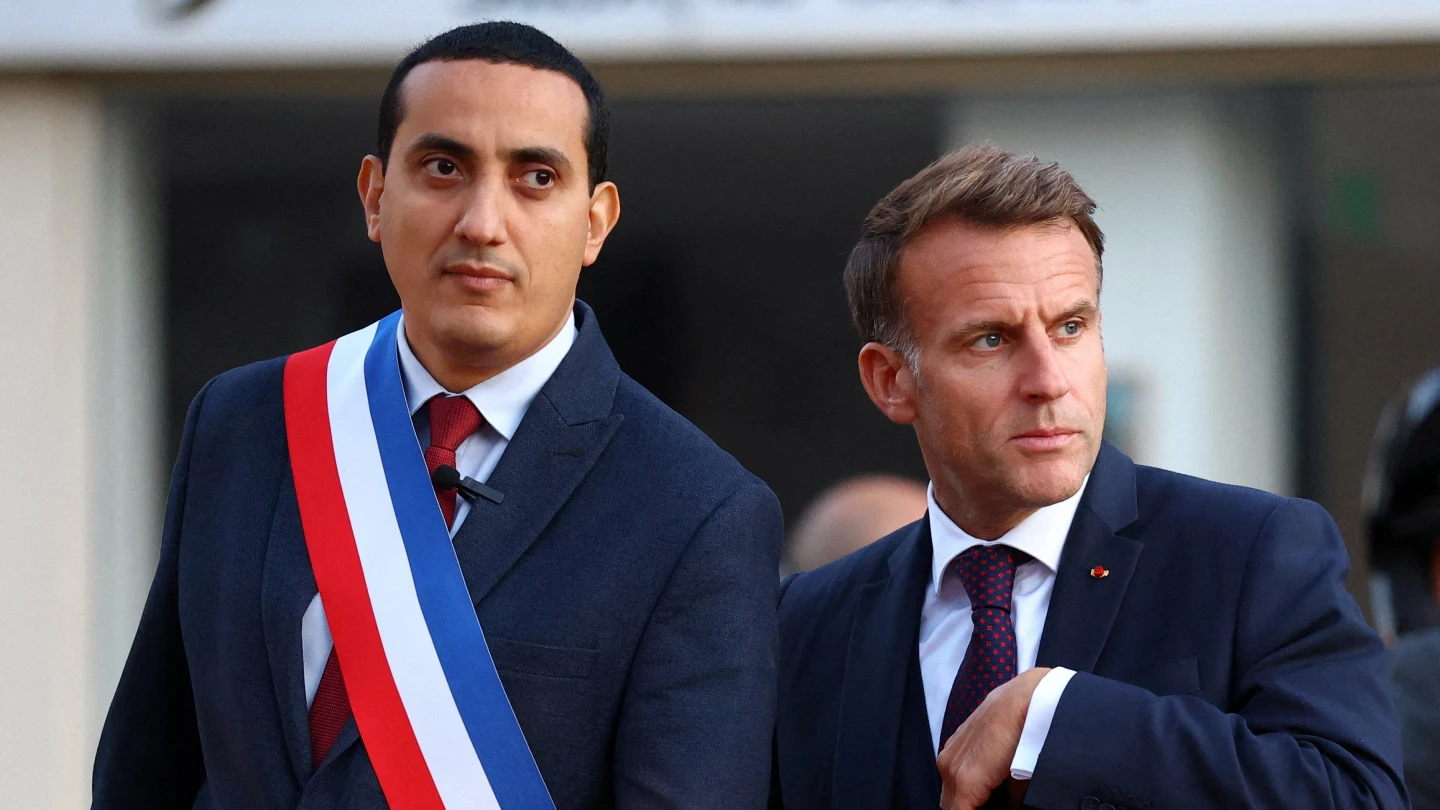
Jewish leaders and political rivals had criticized the president for calling the Trappes shooting France’s first terrorist attack targeting citizens over religion.
“I never thought that in America, in the 21st century, a kid would experience something that I experienced in the Soviet Union in the ’80s,” Michael Novakhov told JNS.