Israeli scientists have identified a potential new approach to fighting glioblastoma, one of the deadliest forms of brain cancer, by targeting the biological mechanism that causes many tumors to stop responding to chemotherapy.
Although relatively rare, glioblastoma is the most common malignant primary brain tumor in adults. The disease accounts for more than half of all malignant brain tumors and remains among the most difficult cancers to treat.
Despite aggressive treatment combining surgery, radiation therapy and chemotherapy, glioblastoma often develops resistance to treatment. Resistance to chemotherapy drugs, including the standard drug temozolomide (TMZ), remains one of the biggest challenges facing researchers. According to the National Cancer Institute and the American Cancer Society, patients with glioblastoma have a median survival of approximately 12 to 18 months after diagnosis, and only about 5% to 7% survive five years.
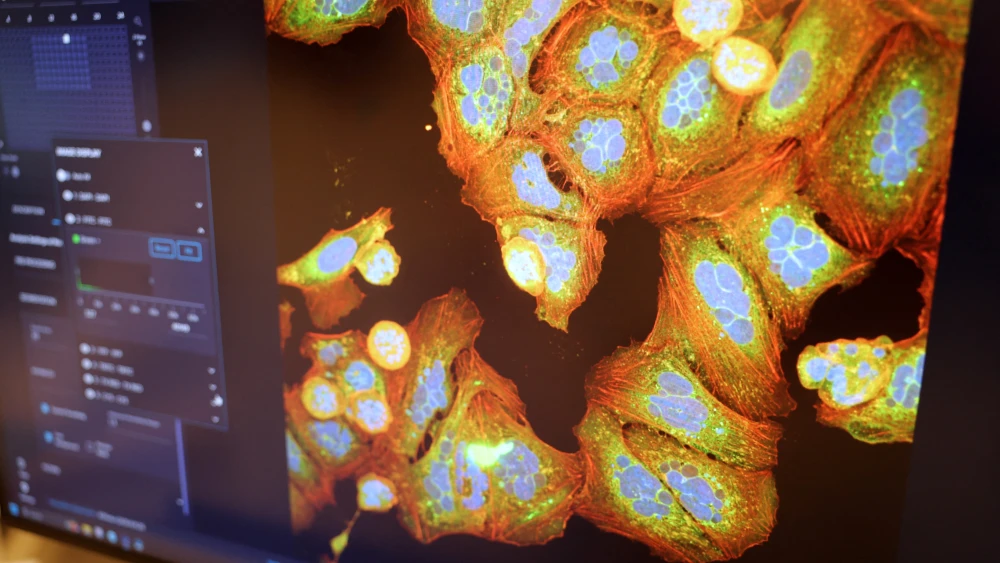
However, researchers at Hebrew University of Jerusalem found that an experimental compound called BA-101 can block a biological process that allows glioblastoma cells to survive treatment. By shutting down this process, researchers were able to restore TMZ sensitivity in drug-resistant tumors in laboratory studies.
The findings, published in the peer-reviewed Cancer Medicine, suggest a possible new strategy for treating patients whose tumors no longer respond to standard therapy. However, BA-101 remains experimental and will require additional studies and clinical trials before it can be tested as a treatment for patients.
The research, led by Postdoctoral Fellow Dr. Mallikar Nimgampalle and professor Haitham Amal of the Hebrew University, found that glioblastoma cells use a process called nitrosative stress to survive chemotherapy. Nitrosative stress occurs when cells produce excessive amounts of nitric oxide molecules, creating conditions that help tumors grow, spread, and resist treatment.
By blocking this process with BA-101, a selective inhibitor of neuronal nitric oxide synthase (nNOS), an enzyme involved in producing nitric oxide in cells, the researchers were able to weaken the cancer cells’ defenses. In laboratory experiments, BA-101 slowed tumor cell growth, reduced the cells’ ability to invade surrounding tissue and increased cancer cell death.
The researchers then tested BA-101 together with temozolomide and found that the combination was more effective than either treatment alone. In experiments using mouse models, the combined therapy significantly reduced tumor growth, suggesting that targeting the cancer cells’ resistance mechanism could make existing chemotherapy more powerful.
“Temozolomide resistance remains one of the biggest obstacles in treating glioblastoma,” said Amal. “Our findings suggest that targeting nitrosative stress can restore the tumor’s sensitivity to treatment. While additional studies are needed before this approach can reach patients, these results open an exciting new direction for developing more effective therapies against one of the deadliest cancers.”
The researchers said their findings could point to a new approach in cancer treatment: instead of replacing existing drugs, future therapies could focus on blocking the mechanisms that allow tumors to resist them. If further studies confirm the findings, disabling these survival pathways could allow treatments that have become less effective to regain their ability to attack cancer cells.
BA-101 has been exclusively licensed from Yissum, the technology transfer company of the Hebrew University of Jerusalem, by NeuroNOS, a biotechnology company co-founded by Amal. NeuroNOS is developing BA-101 as a potential first-in-class therapy for glioblastoma, with the aim of advancing the compound toward future clinical development.
The researchers stressed that the results are still at an early stage and that further testing will be needed to determine whether the approach is safe and effective in humans. If successful in future studies, the approach could offer a new way to address one of the central challenges in glioblastoma treatment: tumors that develop resistance to existing therapies.