


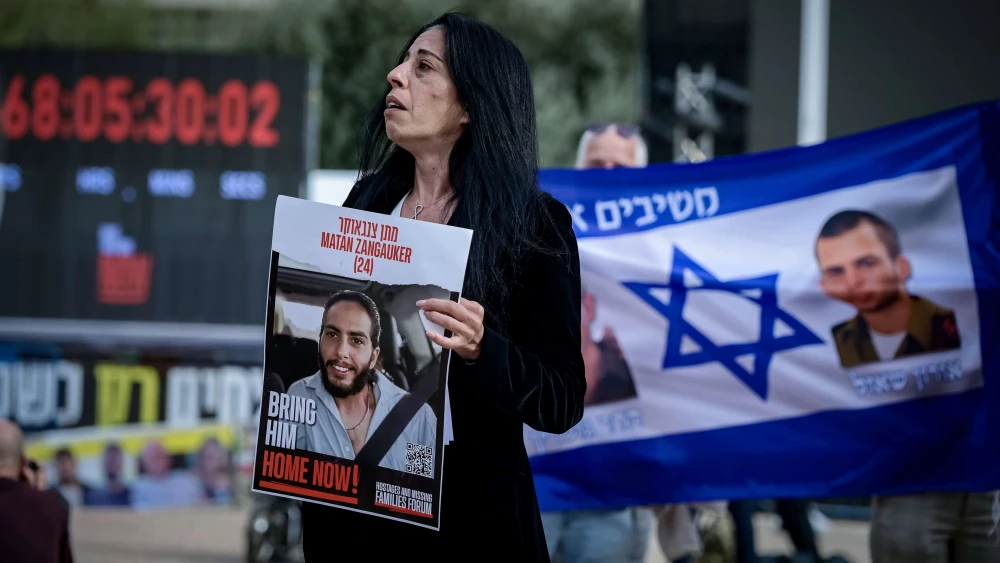

The latest chapter in Israel’s ongoing struggles presents a profound test of endurance and unity for its people. Following the unprecedented Oct. 7 Hamas attack—deemed the worst attack on the Jewish people since the Holocaust—Israel finds itself navigating a complex post-conflict landscape. While a ceasefire has been reached, it comes at a steep emotional and political cost. The anticipated release of some of the hostages, enabled by Israel’s military triumph and bolstered by U.S. support under President-elect Donald Trump, marks a bittersweet milestone.
Yet, a new battle begins now: facing the unimaginable suffering endured by the freed captives—scarred by abuse, deprivation and the torment of loss. This ordeal echoes the harrowing days immediately following Oct. 7 that left Israel reeling from the horrific massacres of families. Israel will once again be called upon to lift up its people, embracing grief and trauma, as some families receive only the tortured remains of loved ones.
Adding to the strain, the sight of jubilant Palestinian crowds celebrating the release of militants through televised images fuels deep-seated anger and pain. Resisting the instinct for vengeance will test Israel’s moral fiber. As Israeli Prime Minister Benjamin Netanyahu navigates the fragile ceasefire, provocations from Gaza and beyond loom large. His leadership faces scrutiny, balancing international expectations and internal pressures to secure national safety and justice.
Netanyahu’s resolve has been tested in Gaza and Syria, and against Hezbollah and Iran. Now, he embarks on a broader strategy, shifting focus to a Middle Eastern coalition with the United States to combat terrorism and counter Iran’s nuclear ambitions. This marks a critical pivot, emphasizing a united front against shared threats.
Domestically, Netanyahu faces criticism for potential risks posed by released militants, coupled with opposition from both political extremes. However, the reality of the Middle East necessitates a pragmatic approach. The battle against Iranian-sponsored terrorism must be recognized as a regional issue, not confined to Gaza.
The resilience of Israel’s people will be paramount. Soldiers who risked their lives in Gaza, inspired by the dream of rescuing captives, exemplify the collective courage required. Their sacrifices have paved the way for this moment, enabling Western nations to secure the tenuous truce.
The challenge Israel faces extends to maintaining solidarity amidst political divides. Europe’s absence in condemning Hamas or championing the captives underscores Israel’s isolation. Yet, the nation remains resolute, striving to heal its wounds while adapting to a shifting geopolitical landscape.
Ultimately, this is a battle of hope, requiring a strength that only those awaiting their loved ones can truly fathom. Israel’s journey forward demands courage, unity and a renewed commitment to its people and their future.


