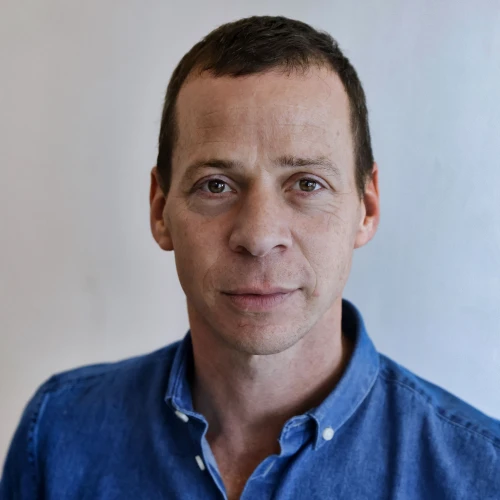
Abu Mohammad al-Julani, the leader of an Islamist insurgent alliance that has conquered Damascus in a swift offensive, is working to moderate his image.
In an interview with CNN aired at 3 p.m. on Friday, al-Julani stated, “When we talk about objectives, the goal of the revolution remains the overthrow of this [Assad] regime. It is our right to use all available means to achieve that goal.”
After years of operating covertly, al-Julani has stepped into the public eye, engaging with international media and making appearances in Aleppo, Syria’s second-largest city, following its capture from government forces for the first time in the civil war.
His transformation is visible in his appearance—abandoning the traditional turban associated with jihadists in favor of military attire. On Wednesday, he was seen at Aleppo’s citadel wearing khaki clothing, greeting crowds from his white vehicle.
Since severing ties with al-Qaeda in 2016, al-Julani has attempted to present himself as a more moderate figure. However, analysts and Western governments continue to designate his organization, Hayat Tahrir al-Sham, as a terrorist organization. The U.S. State Department listed al-Julani as a Specially Designated Global Terrorist in 2013, and later announced a $10 million reward for information leading to his capture.
Thomas Pierret, a specialist in political Islam, told The Guardian, “He is a pragmatic radical.” Pierret noted that al-Julani’s extremist rhetoric peaked in 2014 when competing with ISIS, but has since moderated.
Born Ahmed al-Sharaa in 1982, al-Julani began signing statements under his real name during the offensive launched on Nov. 27. In a 2021 interview with PBS, he explained that his nom de guerre referenced his family’s roots in the Golan Heights, claiming his grandfather was displaced following Israel’s 1967 victory there.
According to Middle East Eye, al-Julani’s path to extremist ideology began after the Sept. 11, 2001 attacks on the United States. The news site reported that he attended secretive sermons in Damascus’s outskirts before leaving Syria to join the fight following the U.S.-led Iraq invasion.
After joining al-Qaeda in Iraq under Abu Musab al-Zarqawi, al-Julani was arrested by American forces and spent five years in detention. He returned to Syria in March 2011 amid the uprising against President Bashar Assad’s rule, establishing the al-Nusra Front as Syria’s al-Qaeda branch.
In 2013, he refused to pledge allegiance to ISIS leader Abu Bakr al-Baghdadi, instead aligning with al-Qaeda’s Ayman al-Zawahiri. By May 2015, al-Julani distinguished himself from ISIS by declaring he had no intentions of attacking Western targets and promising no retribution against Assad’s Alawite minority should the regime fall.
After breaking from al-Qaeda to avoid Western intervention, al-Julani merged with other Islamist groups in January 2017 to form HTS, controlling parts of Idlib Province. The group established a civilian administration; the U.N. has classified some of its actions against dissenters as war crimes.
Recently, al-Julani has addressed Aleppo’s residents, including its Christian minority, promising protection under his control. He has also instructed his fighters to maintain security in newly captured areas.
Aron Lund, a fellow at Century International, told The Guardian, “The less local and international panic you have and the more al-Julani seems like a responsible actor instead of a toxic jihadi extremist, the easier his job will become. Is it totally sincere? Surely not. But it’s the smart thing to say and do right now.”
Throughout this process, HTS faced accusations from residents and rights groups of brutal abuses against those who dared dissent, which the U.N. has classed as war crimes.
Originally published by Israel Hayom.