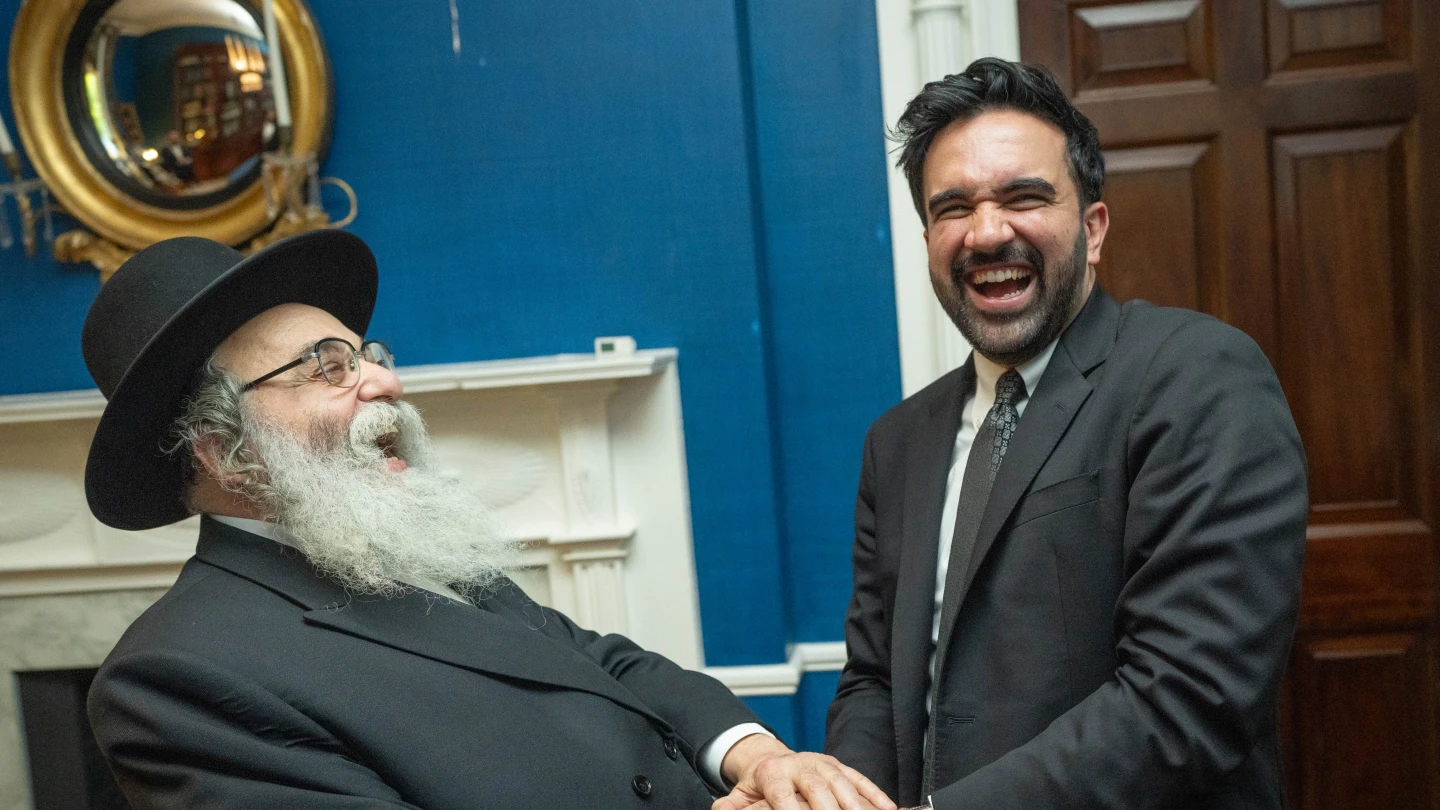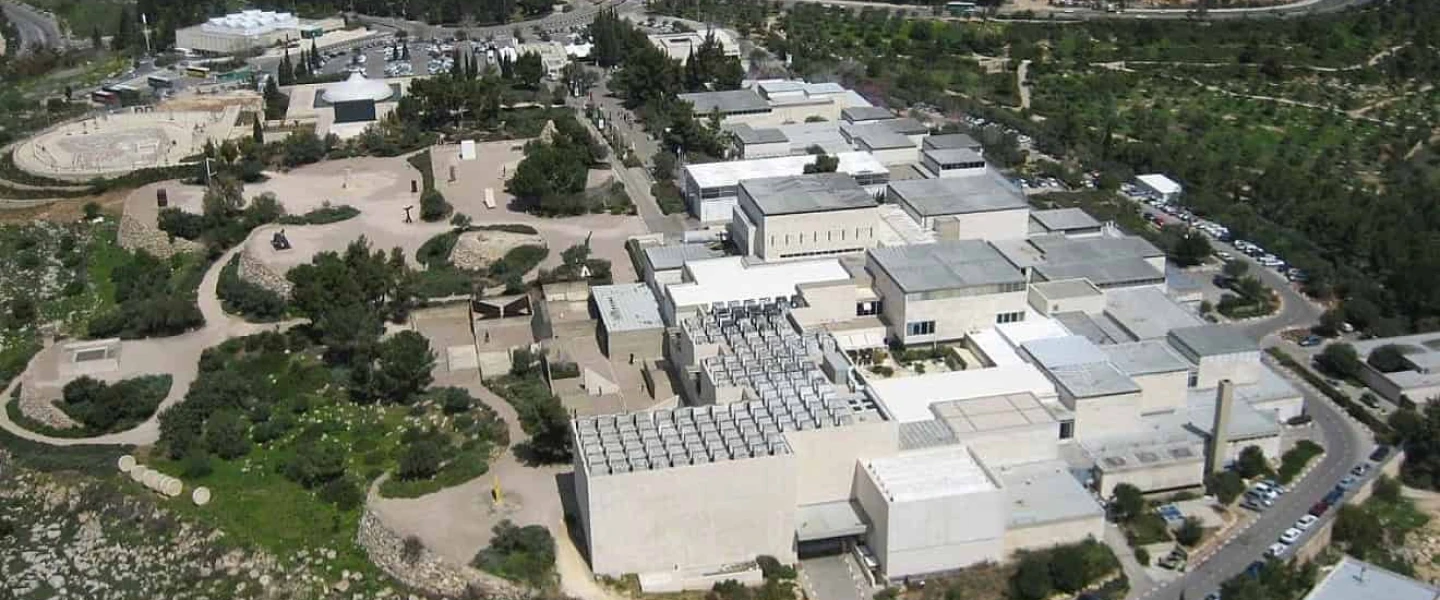
As the Israel Museum marks its 60th anniversary, prominent New York art collector Bill S. Ehrlich, chairman of the Executive Committee of the American Friends of the Israel Museum, recalled that he first visited the museum on a barren hill in western Jerusalem three months after it opened its doors in 1965.
“The roads around it weren’t even paved then. It was like a jewel in a sea of construction,” he told JNS as he left the museum on the eve of the opening of the 60th anniversary celebration. “Today, the museum is a moment of peace and beauty in the middle of angst.”
Suzanne Landau, Anne and Jerome Fisher director of the Israel Museum, told reporters on a preview tour that the 60th anniversary events would focus on eight new exhibitions opening in mid-May at Israel’s national museum. The exhibits showcase the diversity of the museum’s collection, which stands at almost half a million objects.
“The new exhibits reflect the vision of the museum: Connecting our ancient history and traditions with local contemporary art,” she noted. “It’s a celebration of the dialogue between cultures and periods.”
Landau told reporters that some of the exhibits would feature items that have been part of exhibits over the past six decades, while others would present pieces that have never been publicly displayed and some that were created especially for the 60th anniversary.
The museum has recently expanded and updated many of its galleries and public spaces to improve the experience of visitors and attract a broader audience.
One exhibit open to the public for the first time is “Behind the Scenes, A Live Conservation Lab,” designed to give visitors a close-up look at the work of some of the twenty conservators who generally work in one of the six conservation labs in the basement of the museum.
The Live Lab is a collaboration of the museum and Israel’s Ministry of Heritage and will allow visitors to watch as the experts work to restore and preserve eight items from the museum’s collection. Once a day, the curators will leave the lab for 15 minutes to answer questions.
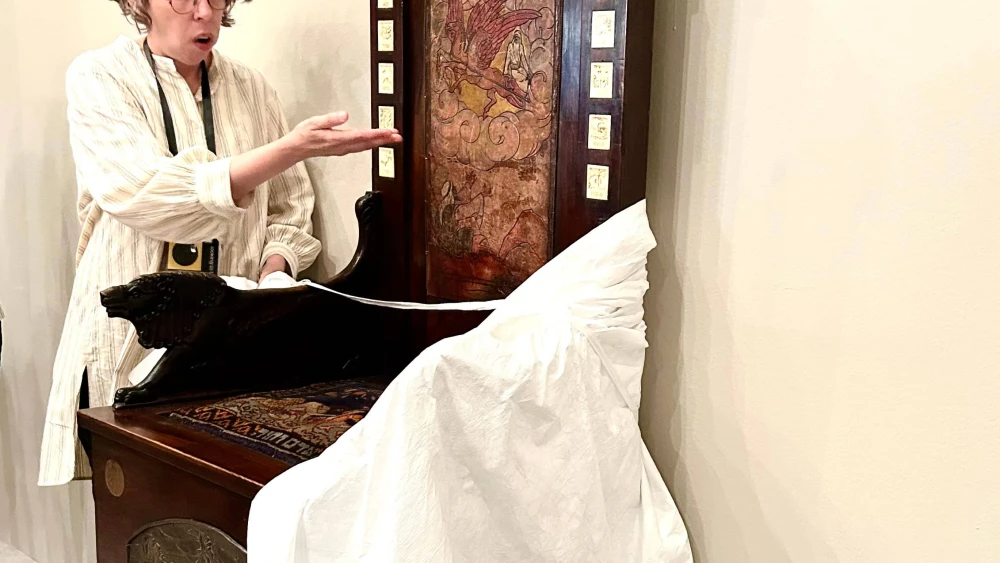
Live Lab Curator Sharon Tagar unveiled one of the first items being restored in the Lab. Elijah’s Chair, used in circumcision ceremonies, was originally produced in the early 1900s by students at the Bezalel Academy in Jerusalem and will take a few months of work by the museum’s textile and wood experts to restore to its original state.
Tagar emphasized that the museum encourages anyone with old Judaica or family heirloom items they wish to preserve to bring them for restoration to donate to the museum’s collection.
In the next stages of collaboration with the Ministry of Heritage, several of the exhibits that won’t fit into the Lab, including the four reconstructed synagogues in the Jewish Art and Life Wing, will undergo renovation. Eventually, information corners will be created in all major areas of the museum to create an interactive experience.
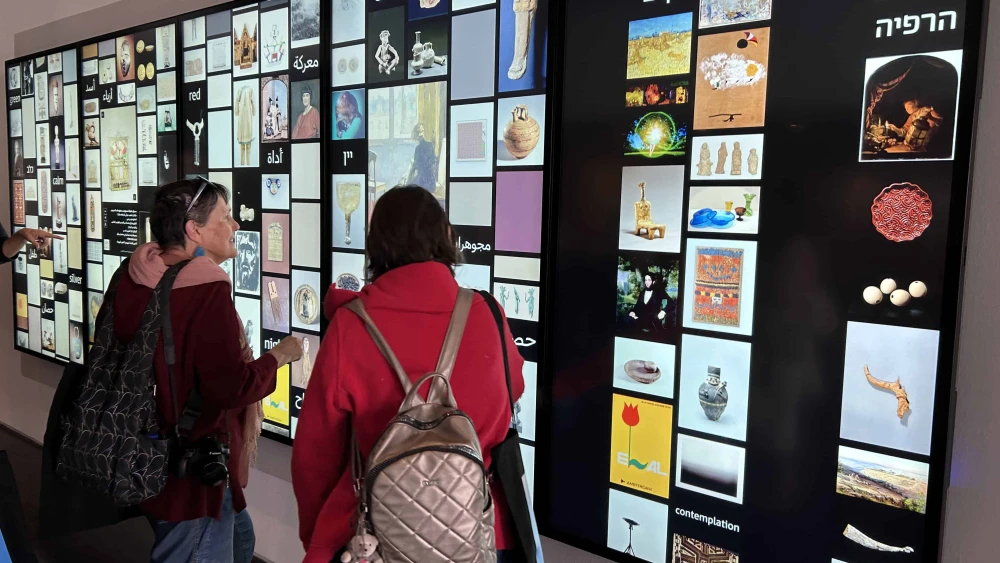
‘Discover the Collections’
One of the new displays opening this week does exactly that. The “Discover the Collections” wall on the main floor, powered by AI, encourages visitors to explore every item in the museum, whether on display or in storage.
Touching the image of an item on the screen brings up short information on the object and its location in the museum.
Israel’s current reality is vividly portrayed in the newly expanded Israeli Art section. A new exhibit entitled “Israeli Art: The Swing of the Pendulum” explores the pendulum nature of Israeli society over the past 100 years. Curator Amitai Mendelsohn says, “Many Israelis feel that pendulum in our daily lives. On the one hand, we experience the uncertainty of the situation today, and on the other hand, we have art, which offers all kinds of options and can elevate us.”
A realist piece by contemporary artist Zoya Cherkassy is juxtaposed with the dream-like work of early twentieth-century painter Reuven Rubin, who presents an idealistic vision of what the Jewish state could look like.
Other new exhibits opening in honor of the anniversary include “Made in the Museum: 60 Years of Exhibition Catalogues,” a display by decade of some of the 800 catalogues produced for specific exhibits.
According to The Art Newspaper, the Israel Museum had 855,157 visitors in 2024, down just seven percent from pre-COVID 2019 numbers.
In 1965, Bill S. Ehrlich, then a young architecture student, was so enamored with the fledgling museum that he walked into the office of Willem Sandberg, its first curator and artistic director, to tell him how impressed he had been with the beauty of the collection.
Since that day, Ehrlich has returned to the museum every year. Ehrlich told JNS how he discovered that Sandberg, a non-Jewish member of the Dutch Resistance, had recently retired as director of the Stedelijk Museum in Amsterdam and came to volunteer his time and talent in Jerusalem in memory of the Jewish artists murdered in the Holocaust.
“It was the first time I learned that someone with firsthand understanding of what had occurred was willing to make a commitment to respond to the loss,” Ehrlich said.
On June 12, the museum plans to host a free night-time event celebrating the 60th anniversary, with “live art” inspired by 20 original works from its collections.