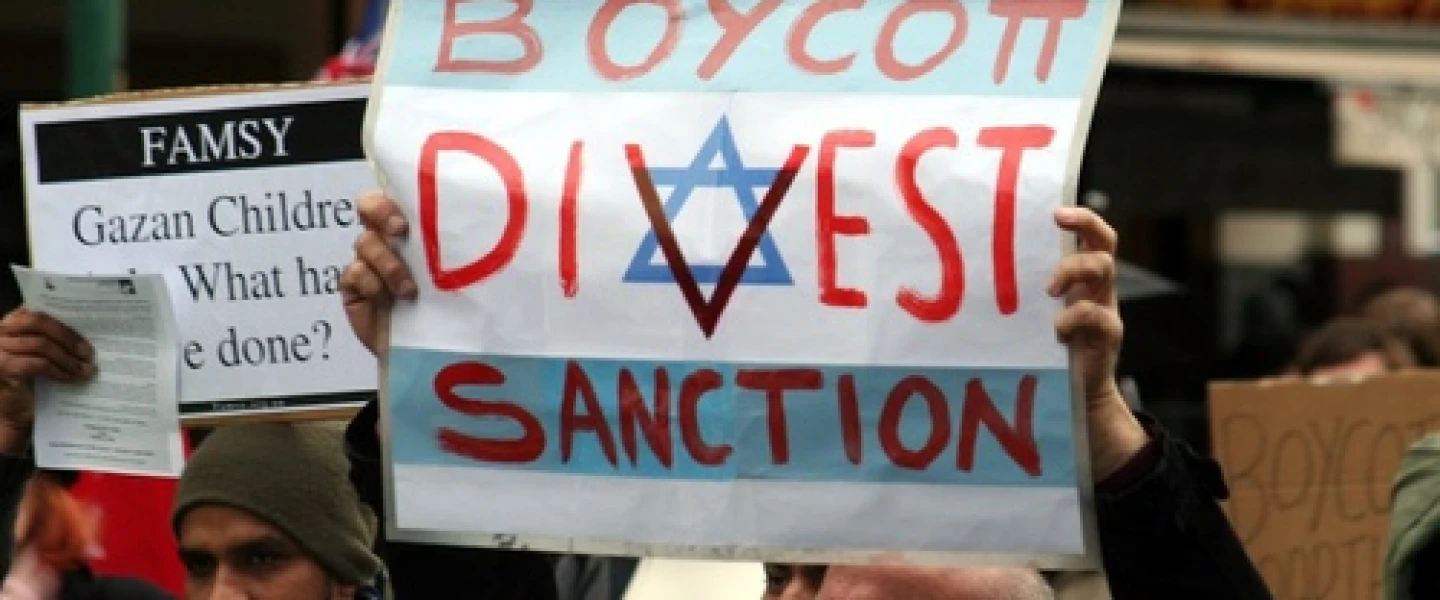
In this exciting, first-of-its-kind webinar, our own Hussein Aboubakr Mansour discusses the dominant role of the image of the Palestinian within both modern Western intellectual thought and within the Arab mind. What were the academic factors that shaped this romantic notion? How true to actual life is this notion, and the idea of the Palestinian struggle? In which circles is it the most dominant? And how can this romantic notion be replaced with reality on the ground? About the Speaker: Hussein Aboubakr Mansour Hussein Aboubakr Mansour is the Director of EMET’s Program for Emerging Democratic Voices from the Middle East. Hussein was born in Cairo, Egypt, into a family who raised another son to be an imam inspiring young people to become jihadists. His critical intellect led him to find out more about Israel and Jews and to forge friendships with Israelis. As a result, he was arrested and tortured by the government of Egyptian President Hosni Mubarak on suspicion of being an agent of the Israeli government. Hussein received political asylum in the United States under President Barack Obama in 2012, and worked as an instructor for language and culture at the Defense Language Institute in Monterey, California. He then went on to work as an educator and public speaker for StandWithUs, educating students about cultural and geopolitical issues in the Middle East and helping them counter antisemitism. Hussein wrote an autobiography, “Minority of One: The Unchaining of the Arab Mind,” and his articles have appeared in Commentary, Newsweek, the Jewish Journal, JNS.org, Times of Israel and Mosaic Magazine. Hussein has worked for EMET since September 2020. and has been integral in crafting the ideas behind the Israel Normalization Act of 2021, based on his own personal experiences.
The birth and evolution of the Palestinian cause
An EMET webinar with Hussein Aboubakr Mansour

(March 13, 2023 / JNS)
Copy Print