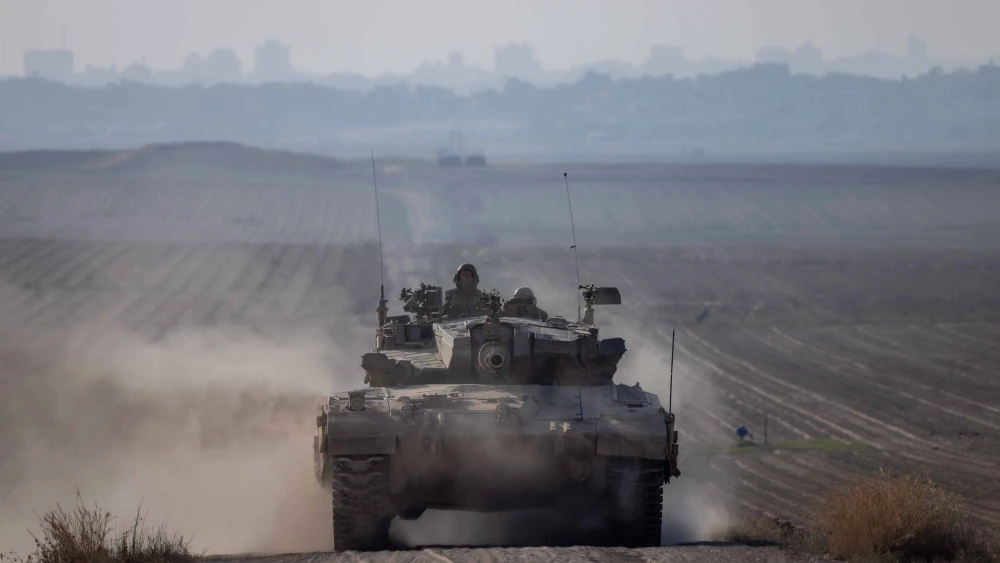
The Israel Defense Forces decided on Sunday to “increase military and operational readiness” in the border area surrounding the Gaza Strip.
The decision on Sunday night came following a situational assessment, the military statement noted, adding that “as of now, there is no change in the instructions for the home front.”
According to the Channel 12 News broadcaster, IDF reinforcements were nevertheless deployed to the border on Monday due to suspicions that Hamas terrorists were planning an attack on Israeli forces in the area.
U.S. President Donald Trump said on Friday that it is for the government in Jerusalem to decide whether to resume the war in the Gaza Strip or join the second round of talks with Hamas to free additional hostages.
Steve Witkoff, Trump’s Mideast envoy, plans to return to the region later this week for talks on extending the current first phase of the ceasefire.
“We have to get an extension of Phase 1, and so I’ll be going into the region this week, probably Wednesday, to negotiate that,” he told CNN‘s Jake Tapper on Sunday. “And we’re hopeful that we have the proper time … to begin Phase 2 and finish it off and get more hostages released.”
The first 42-day phase of the truce is currently set to end on March 1.
Witkoff said he believes Israeli Prime Minister Benjamin Netanyahu is “well-motivated” to see the agreement with the terrorist group continue.
“He wants to see hostages released; that’s for sure. He also wants to protect the State of Israel. And so, he’s got a red line. And he said what the red line is, and that is that Hamas cannot be involved in a governing body when this thing is resolved,” Witkoff said of the expected talks.