Iran
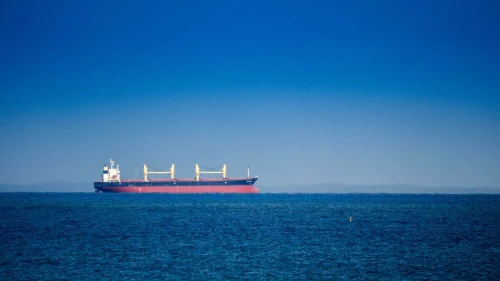
Washington “will not tolerate Iran’s destructive and destabilizing behavior,” the State Department spokeswoman said.

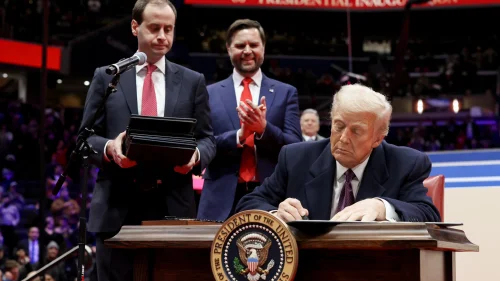
The Iranian leader spoke after President Donald Trump signed an executive order to reimpose “maximum pressure” sanctions on Tehran.
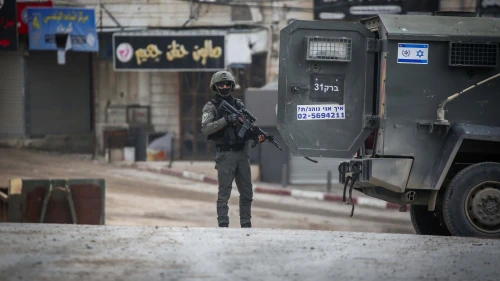
A security official identified Tehran as a central force escalating violence by supplying arms and cash to terrorist networks.

“Reports that the United States, working in conjunction with Israel, is going to blow Iran into smithereens, ARE GREATLY EXAGGERATED.”

“It’s very tough on Iran,” the president said of the order. “Hopefully we are not going to have to use it very much.”
The campaign is aimed at driving Iran’s oil exports to zero, a U.S. official told “Reuters.”

Iran has the knowledge to make an “older-style nuclear weapon, one that could be put together far faster,” according to U.S. officials.

The one major similarity between the two visits: Both granted the opportunity to make Israel’s embattled prime minister even stronger.

The IRGC “guides, supports and funds terrorist organizations both within the country and elsewhere in the region,” said MP Constance Le Grip, who initiated the measure.
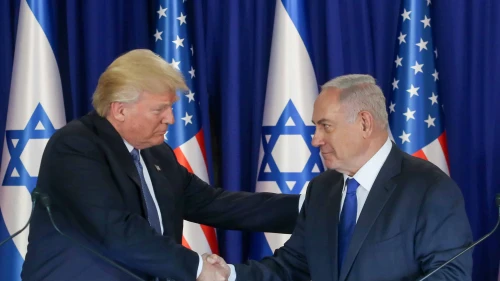
Among a laundry list of thorny issues the two leaders will discuss, one priority is clear: to demonstrate that there is no longer any daylight between Israel and America on Middle East policy.

A military strike with Israel would be “one of the biggest historical mistakes the U.S. could make,” Abbas Araqchi said.

“If the Iranian ayatollah and his henchman obtain a nuclear weapon, it would be one of the most destabilizing and dangerous events in world history,” Sen. Lindsey Graham stated.