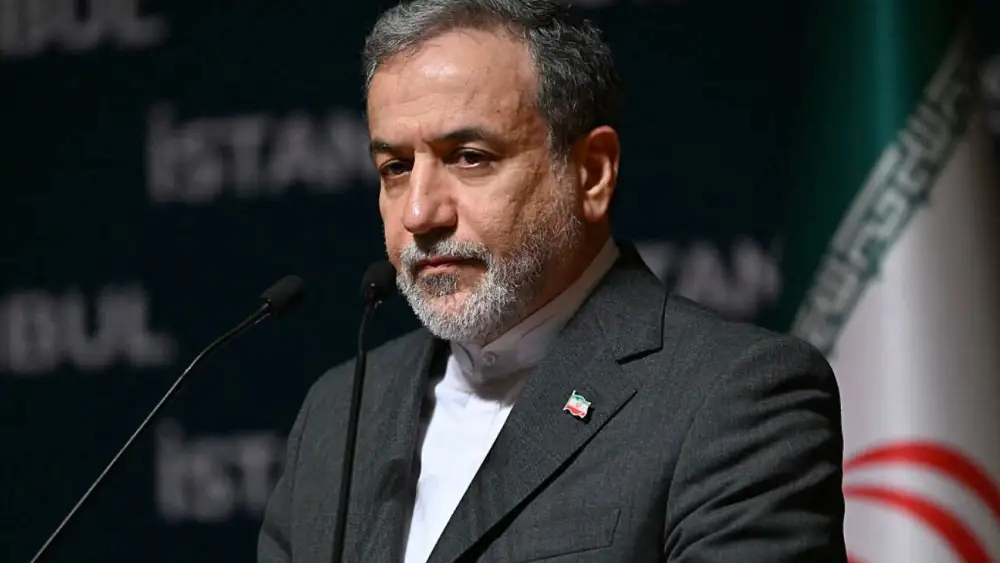
Iran will not return to “business as usual” with Washington unless the U.S. compensates it for damages incurred during last month’s war, Iranian Foreign Minister Abbas Araghchi told the Financial Times, as Tehran hardens its stance and lays out new conditions for renewing nuclear negotiations with the Trump administration.
Araghchi said the U.S. must pay for losses Iran sustained during the 12-day war (“Operation Rising Lion”) with Israel, which briefly drew in the U.S. (“Operation Midnight Hammer”).
“They need to explain why they attacked us in the middle of negotiations, and they must guarantee they won’t do it again during future talks,” Araghchi said in an interview in Tehran. “And they must compensate [Iran] for the damage they have caused.”
Araghchi, Iran’s lead negotiator on nuclear matters, said he and U.S. envoy Steve Witkoff exchanged messages during the war and through its aftermath. The Iranian diplomat told Witkoff that resolving the years-long nuclear dispute would require “a win-win solution.”
“The path to negotiations is narrow, but not impossible,” Araghchi said. “I need to convince my hierarchy that if we go to the negotiating table, the other side will come with real determination to reach a deal that benefits both sides.”
Witkoff, according to Araghchi, attempted to persuade him that such a resolution was feasible and suggested restarting talks. But the veteran Iranian diplomat said, “We need real steps from their side to build trust.”
That, he said, should include financial compensation, though he gave no specifics, and firm assurances that Iran would not be targeted again during negotiations.
“My message [to Witkoff] is not that complicated,” Araghchi said. “I told him that the recent aggression proved there is no military solution to Iran’s nuclear program, but a negotiated one can be found.”
Originally published by Israel Hayom.