New details of the arrest of Arafat Irfaiya, the Palestinian terrorist who murdered 19-year-old Ori Ansbacher on Feb. 7, emerged on Monday, including surveillance footage from a mosque near Ramallah in which the arrest took place.
The Palestinian Authority Islamic trust posted footage from its camera inside the Jamal Abdel Nasser mosque on its Facebook page, showing Israel Defense Forces’ soldiers searching and ultimately finding Irfaiya.
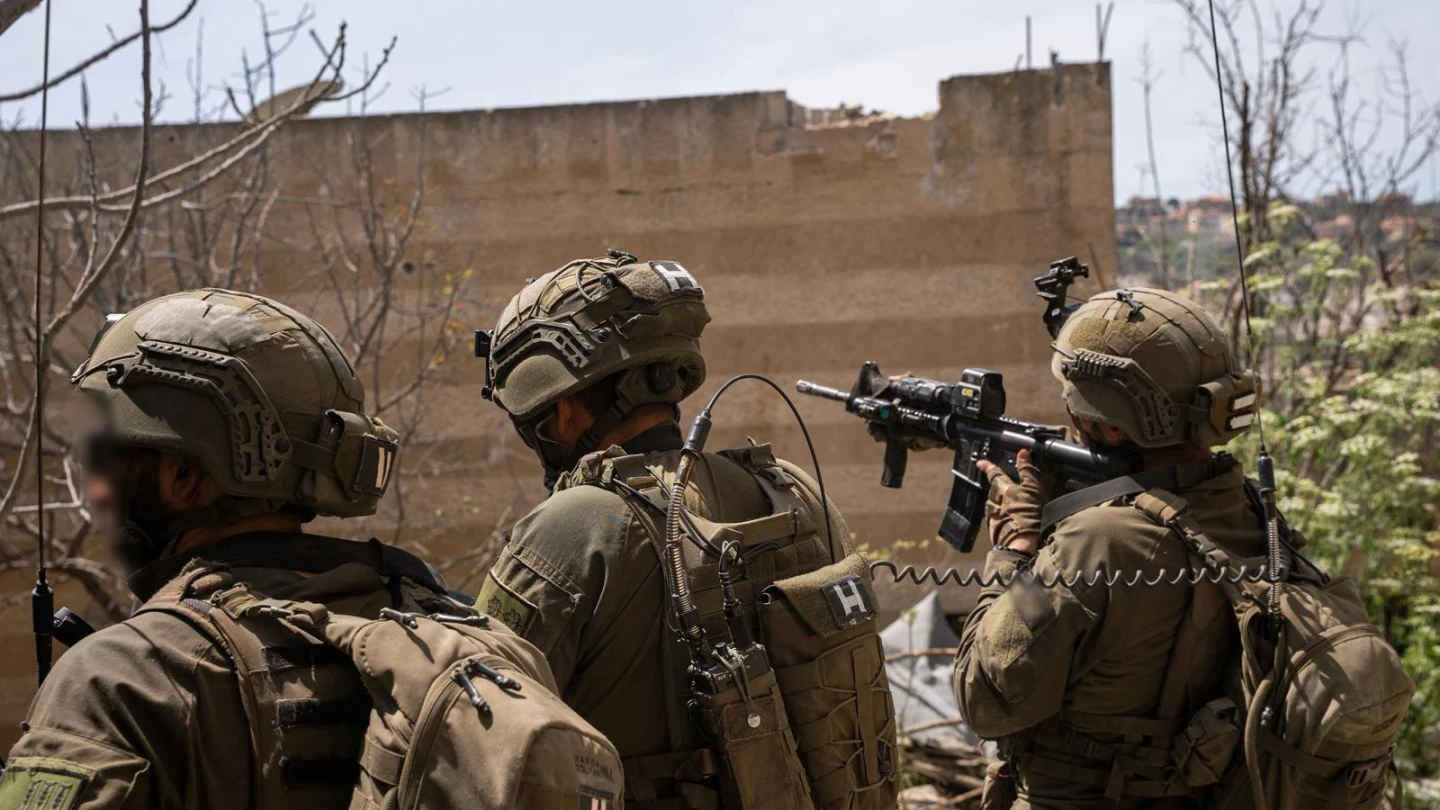
Irfaiya was discovered by an IDF service dog named Zili, who trapped him and enabled the arrest by the Yamam counter-terrorism unit of the Border Police. IDF soldiers searched the premises twice, unable to find him on the first attempt, but ultimately locating him after examining CCTV footage from buildings in the neighborhood.
Upon extracting him from the site, 15 kilometers north of Jerusalem, forces were attacked by Arabs with Molotov cocktails, pipe bombs, stones and burning tires.
Police revealed that Ansbacher was found with multiple stab wounds to her upper body in the woods of Ein Yael on the outskirts of Jerusalem, with officials adding a rape charge to Irfaiya’s murder charge.
Irfaiya’s DNA was on record with the Israel Police, allowing them to positively identify him through DNA samples taken from the scene. Moreover, Irfaiya admitted to the crimes and told police that he left his home in Hebron with a knife, intending to kill a Jews. He also re-enacted the brutal assault and killing for police.
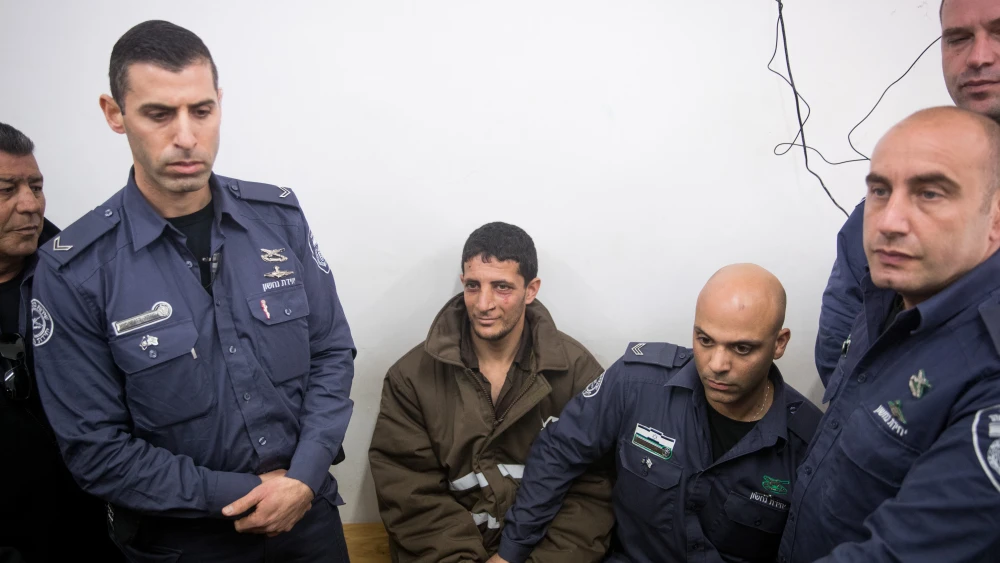
Irfaiya appeared in court on Monday and appeared to smirk into the cameras of journalists. A number of Israeli officials are advocating for the death penalty in this case.
Though Irfaiya was reportedly affiliated with the Hamas terror organization, the group has not claimed responsibility for the killing, which sparked nationwide outrage in Israel. To date, no Palestinian officials have condemned the slaying.