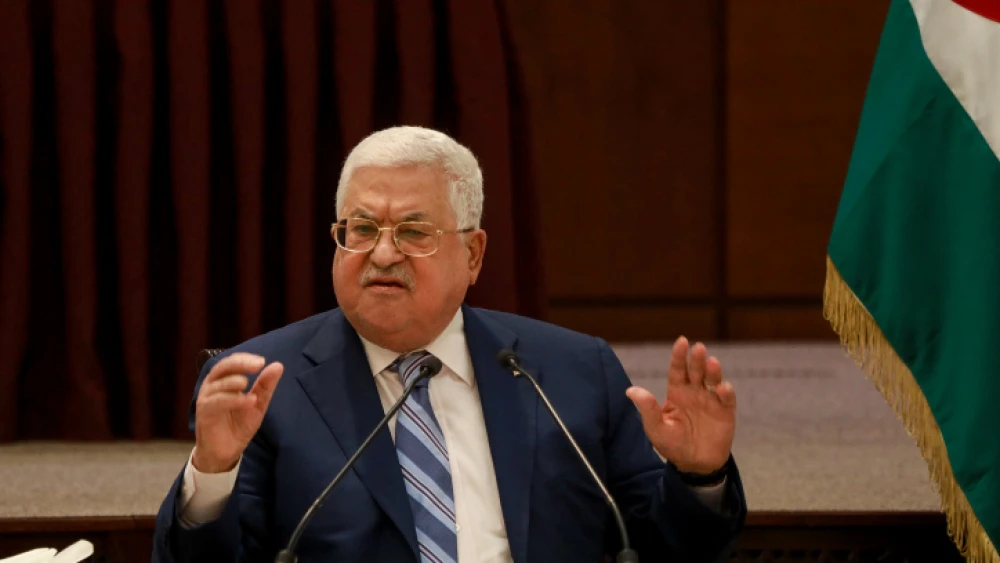
Palestinian Authority leader Mahmoud Abbas has been increasingly intolerant to critics of both him and the security organization he heads, according to Palestinian human-rights advocates, lawyers and political activists.
“The continuing crackdown on public freedoms shows that the Palestinian leadership is nervous and does not want to hear about democracy and freedom of expression,” they said, as reported in The Jerusalem Post on Sunday. The statement came the day after P.A. security forces arrested dozens of Palestinian activists on Saturday.
Calls for the 85-year-old to resign have grown especially since the death in June of anti-corruption activist Nizar Banat while in the custody of Palestinian security forces.
According to a report by the Middle East Media Research Institute (MEMRI) published earlier this month, ongoing protests in the West Bank against the P.A. over the killing have expressed deep dissatisfaction over ongoing corruption and the absence of democracy. The unrest followed the decision this spring by Abbas to postpone elections out of a fear of losing to other factions—namely, Hamas in the Gaza Strip.