Newsletter
Newsletter Support JNS

Rubio, Coons introduce bill to give $3.3 billion in annual assistance to Israel

“The events of the past few days are a stark reminder of the importance of U.S. assistance to Israel’s security,” said Rep. Chris Coons (D-Del.).

Sen. Marco Rubio of Florida speaking at the 2015 Conservative Political Action Conference (CPAC) in National Harbor, Md. Credit: Gage Skidmore via Wikimedia Commons.

Sens. Marco Rubio (R-Fla.) and Chris Coons (D-Del.) introduced a bill on Thursday to give $3.3 billion in annual U.S. assistance to in accordance with the 2016 Memorandum of Understanding (MOU) between the United States and Israel.

While the Trump administration has upheld the MOU—the biggest promise of U.S. military aid made to any nation—the bill would put it into law.

Rubio told Reuters the bill was crucial amid “unprecedented threats,” while Coons told the outlet that “the events of the past few days are a stark reminder of the importance of U.S. assistance to Israel’s security.”

U.S. forces killed the Islamic Revolutionary Guard Corps’ Quds Force Maj. Gen. Qassem Soleimani in a strike at Baghdad Airport on Jan. 3.

Four days later, the IRGC launched missiles at the Ain Al-Asad and Irbil air bases in western Iraq, which also house U.S. soldiers. No casualties were reported.
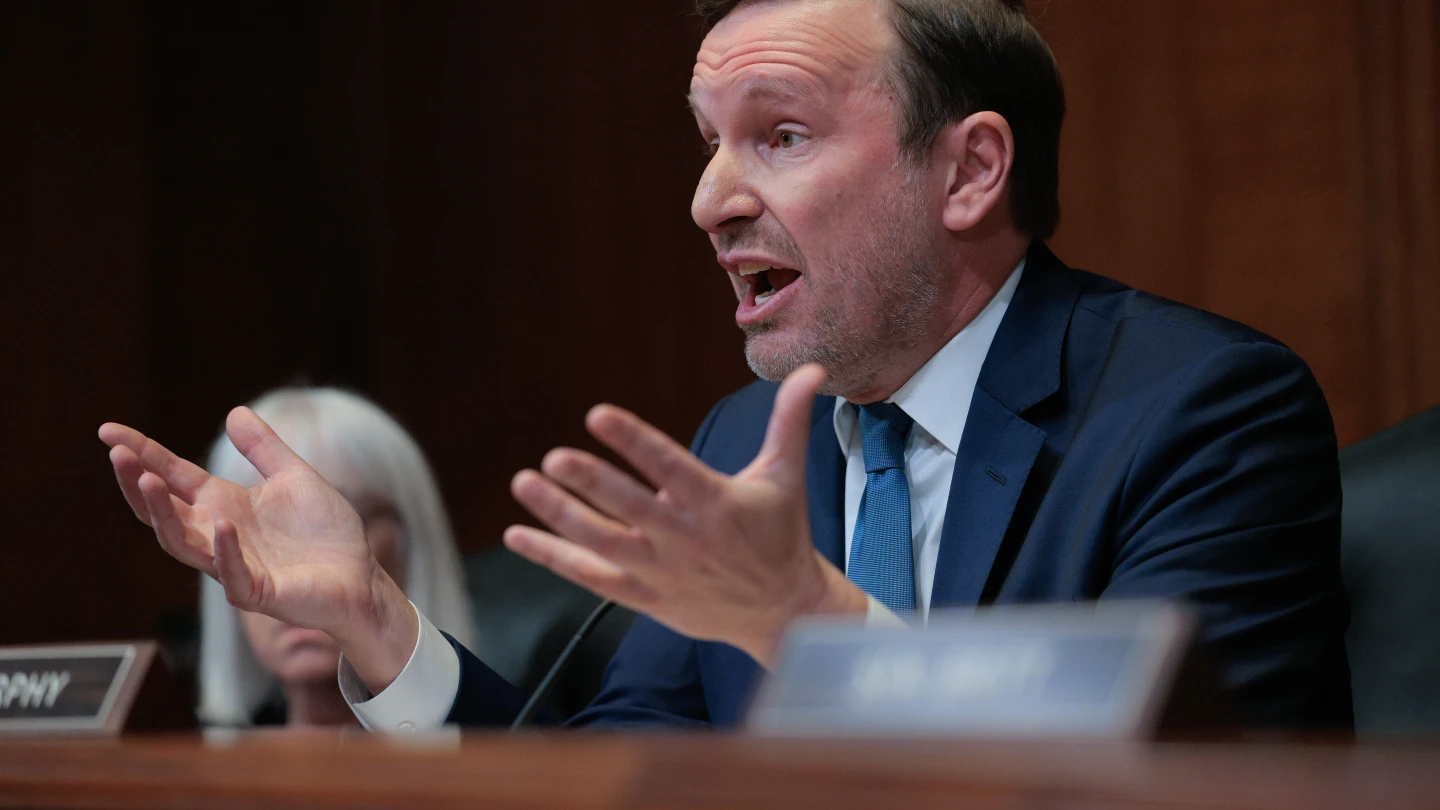
“The administration is giving its middle finger to the Congress,” Sen. Chris Murphy told reporters, after he was denied access to U.S. military facilities in the Gulf.
“So much of the New York Oct. 7 story is the role that the New York Jewish community played in fighting for the return of the hostages,” Hindy Poupko of the UJA told JNS.
Sophie Shabot experienced “verbal harassment, being chased, being pushed and shoved, being spat on, yelled at, blocked from entering a building,” according to her lawyer.
A legal opinion backs the proposal amid constitutional concerns from Germany’s federal government and reservations from Jewish leader Josef Schuster.