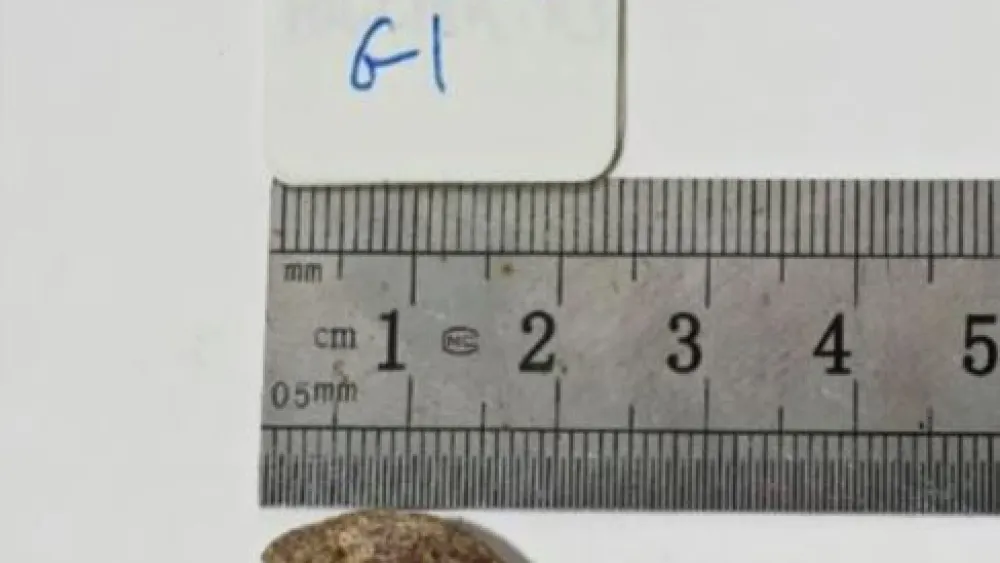
A mystery seed dating from 993 C.E.-1202 C.E. that was uncovered four decades ago by archaeologists in a cave in the Judean Desert has been revived.
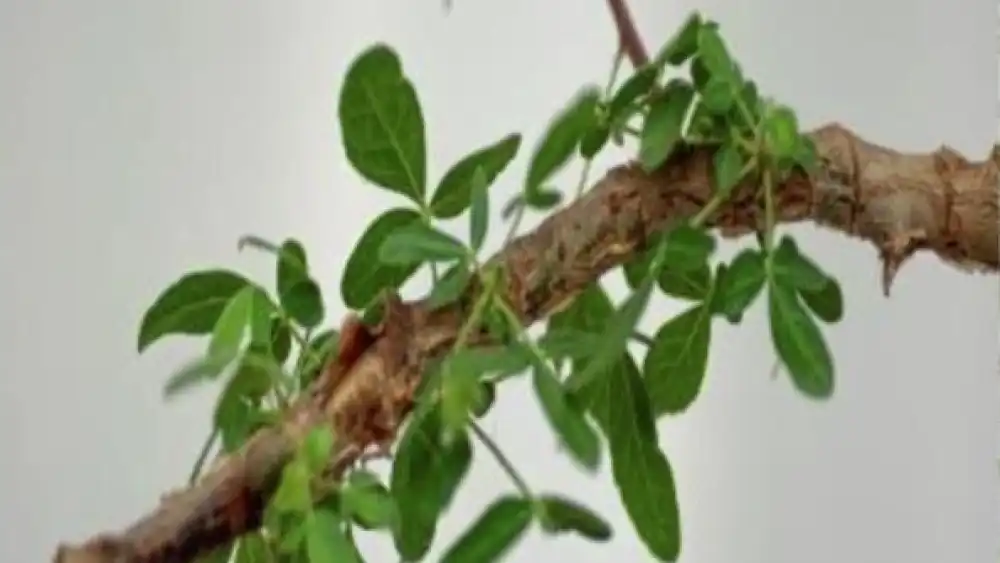
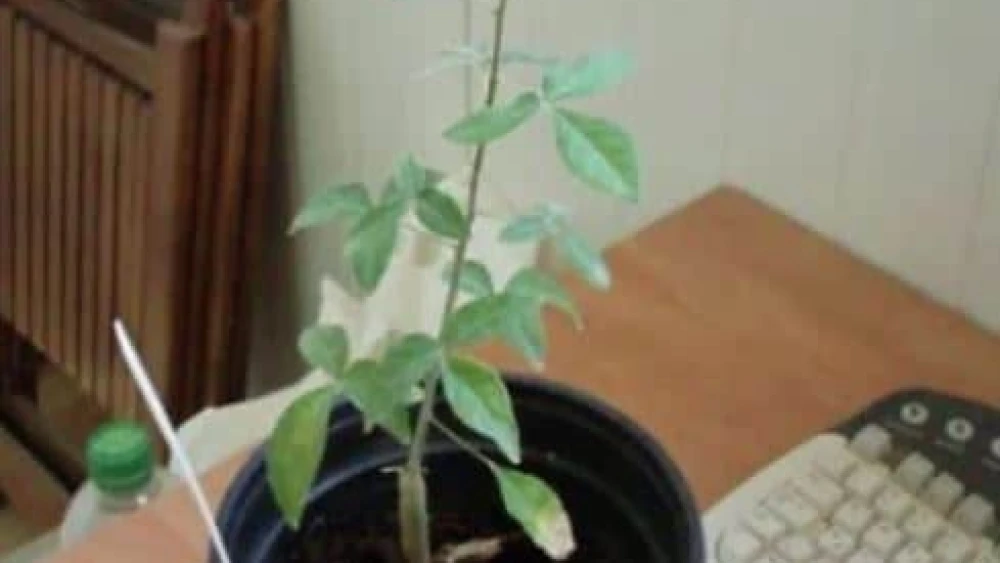
Nicknamed “Sheba” (according to Josephus, Queen Sheba brought the balsam root from Arabia to King Solomon as a gift), the tree grown from the seed, now 14 years old, is three meters (~10 feet) tall and has reached the point where most of its characteristics can be fully described.
It had already been identified through DNA sequencing as belonging to the genus Commiphora Jacq, a genus of myrrh. Myrrh is a gum-resin used in medicine, incense and perfume (frankincense being the best-known used in the latter two).
Sheba’s seed defied easy identification. It was “unique from all other species sampled to date,” according to a Sept. 10 study in the journal Communications Biology.
Scientists first surmised it was a candidate for the “Judean Balsam” or “Balm of Judea,” a highly fragrant tree or shrub exclusive to the region and cultivated in antiquity.
Judean Balsam resin was the most valuable commodity of ancient Judea, according to the study.
However, after further analysis in which “minimal to no fragrance” was found in the leaves, bark or resin, scientists shelved their initial theory in favor of another—“Sheba” may be an extinct species of Commiphora whose resinous extract, “tsori” (Hebrew: flow/drip), was mentioned in biblical texts as early as Genesis (37:25; 43:11).
In the biblical sources, it was associated with healing, but not described as fragrant.
Strengthening this hypothesis, chemical analysis of its leaves and resin revealed many compounds known to be medicinal, including high levels (30%) of squalene, positive for the skin as an emollient, antioxidant, hydrator and anti-tumor agent.
Biblical tsori was associated with the historical region of Gilead in the Dead Sea-Jordan Rift valley, a forested mountain area in antiquity with a lower fertile, cultivated valley.
Bolstering the theory that the Sheba seed is the biblical tsori is that the cave in which it was found is in the Dead Sea-Jordan Rift valley.
Researchers debated a second question: Was the ancient seed placed in the cave by human agents or by animals?
Small rodents store Commiphora seeds and its ripe fruits are eaten by birds, including pigeons and doves. Also, the small number of seeds in the cave suggest animals as the source.
Still, scientists haven’t ruled out humans; archaeological discoveries have shown that some caves in the Judean desert at that time were used as storage areas. “‘Sheba’ may have been considered valuable enough to deliberately sequester in a cave,” the report said.
The human hypothesis is deemed “less likely,” however, because of the lack of other material in the caves pointing to a long-term human presence.
A Latin species name hasn’t been bestowed on the plant yet, in part because it hasn’t yet produced flowers or fruit that allow comparison with extant species.
It is unknown when or if the “Sheba” plant will flower, the report said.