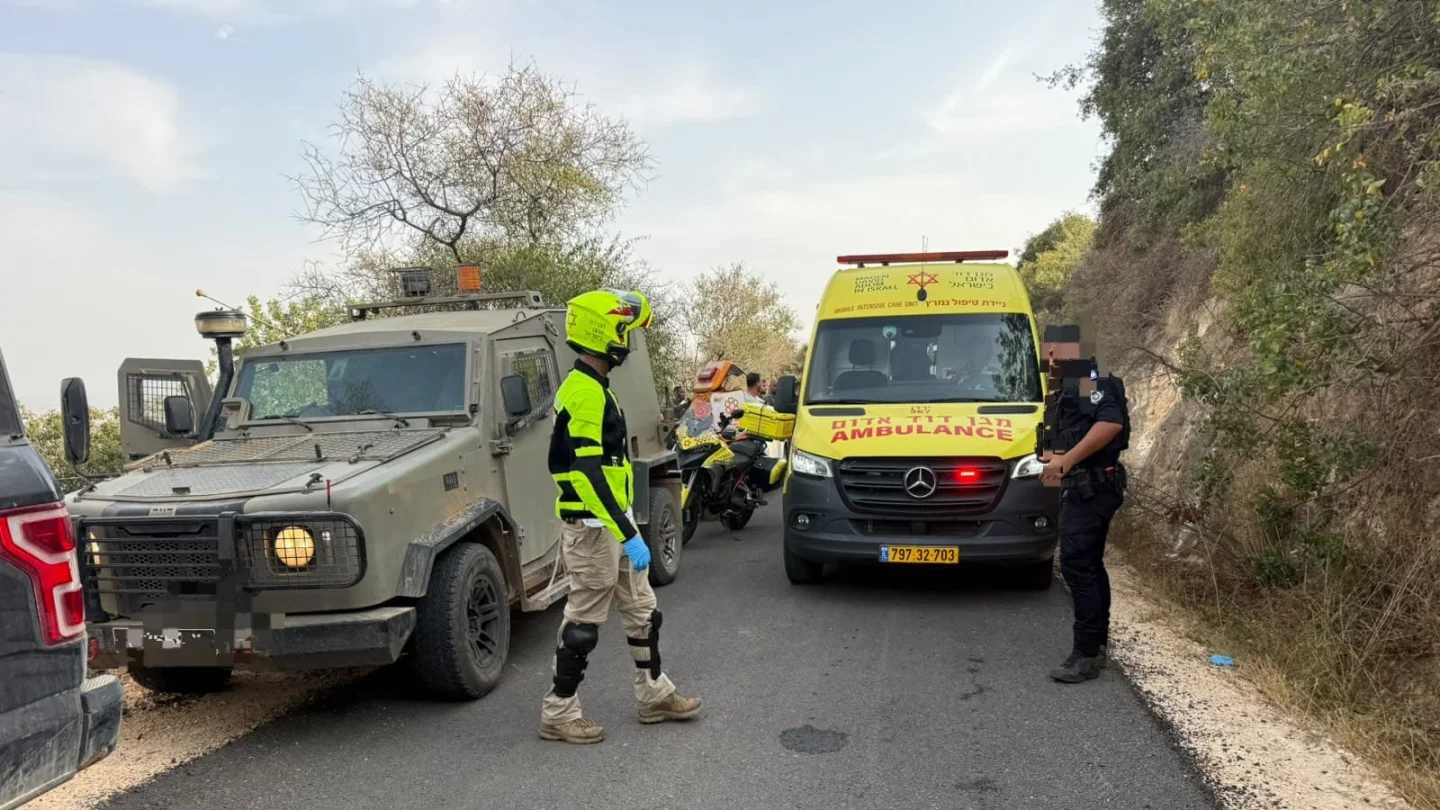
On Oct. 7, 2023, Hamas and other Palestinian terrorists invaded southern Israel, murdered approximately 1,200 people, wounded thousands more, and took 251 men, women and children hostage back into the Gaza Strip. The largest massacre of Jewish people since the Holocaust not only affected Israeli society dramatically, but it set off a firestorm of vitriol and violence against Jews in the Diaspora, deemed the worst wave since the conclusion of World War II.
CAMERA reviewed mainstream media coverage of the third anniversary of what some experts have said could be categorized as the attempted genocide of Jews and found that with some major outlets, very little centered on Israelis.
Wire Services
The Associated Press “commemorated” Oct. 7 by publishing “Satellite photos show how Israeli forces have erased Gaza towns,” complete with a live webcam of Gaza City. Reuters had the same idea, publishing on X a live view not of memorials or commemorations of the Oct. 7 massacre, but a “View of Gaza City on October 7 anniversary.”
‘The New York Times’
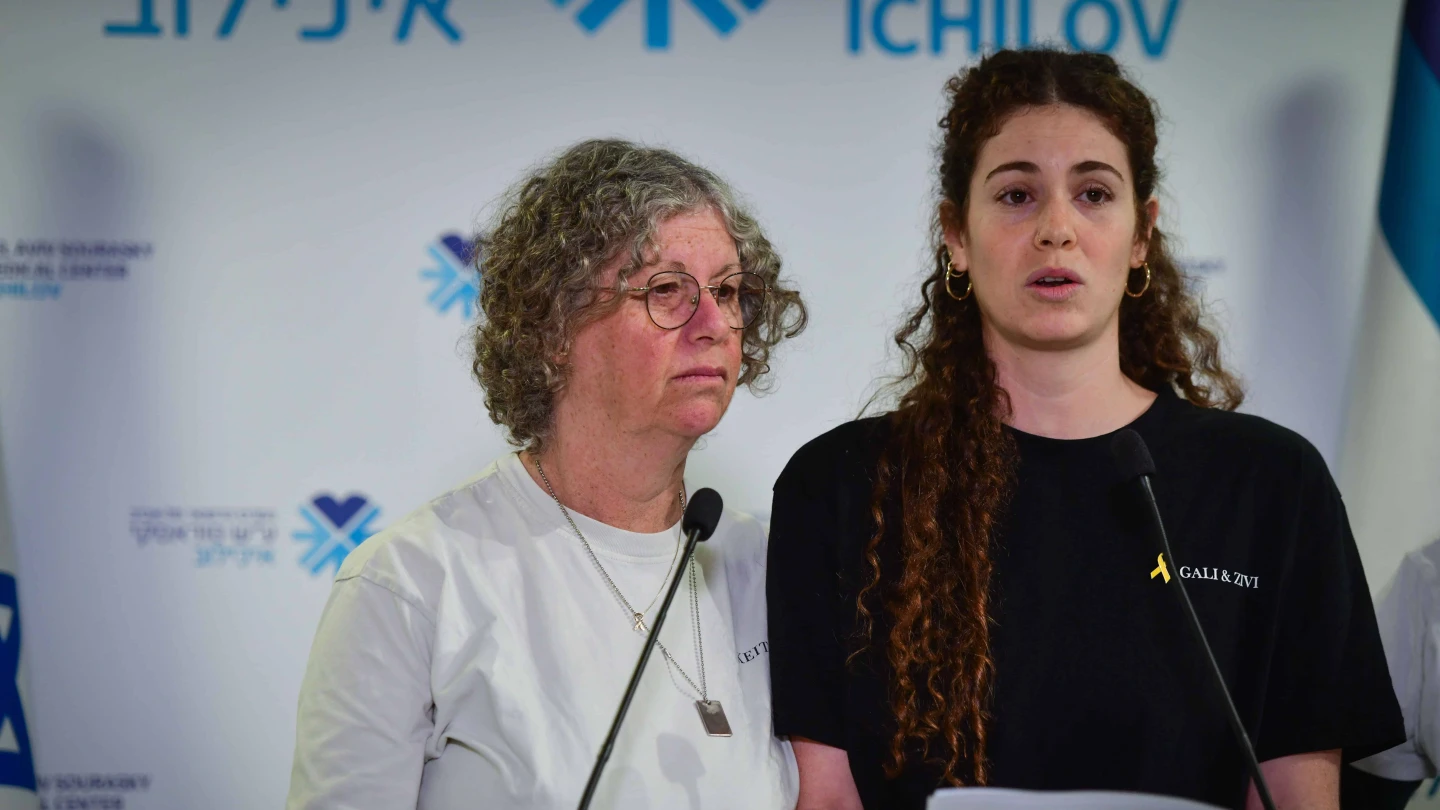
Oct. 7, 2026 felt like another typical day at The New York Times or even perhaps lighter than usual in terms of how many articles mentioned Oct. 7. Excluding one opinion piece, the paper had one article about twin brothers and former Israeli hostages Gali and Ziv Berman.
This and other articles used generic terms like “gunmen” and “militants” to describe the thousands of terrorists who invaded Israel that day and murdered, injured, raped and kidnapped. It also referred to hostages being killed in captivity as having “died.”
But at least with this article, the Times met the low bar and centered the article on the brothers’ re-acclimation to life after captivity.
So as not to focus solely on the Israeli victims, though, it placed an adjacent video report on Gaza describing life in Gaza “nearly a year after” the ceasefire. Somehow, the paper could not wait three more days to mark the actual anniversary of the Oct. 10 ceasefire.
The Times also published a video report titled, “Israel Commemorates Three Years Since Oct. 7.” Still, only a fraction of the video was devoted to Israeli commemoration. Instead, more than half highlighted the destruction in Gaza and the upcoming Israeli election.
Excluding the opinion piece, it is fair to say that more than half of the Times’s reporting (including video reports) was about Gaza or politics instead of the massacre and sexual violence perpetrated by Palestinians in southern Israel.
‘The Washington Post’
The Washington Post’s coverage was split equally between Gaza and the upcoming Israeli election. While some discussion of the election is understandable, it came entirely at the expense of reporting on how Israelis were commemorating a critical date in their recent history.
This stands in marked contrast to the dearth of the Post’s coverage of Palestinian politics, whether the Palestinian Authority’s corruption or Hamas’s violent rule. It highlights the imbalance of humanization in the paper’s coverage; the Israeli experience is usually reduced to elections and institutions, while the Palestinian experience is typically depicted in individual human terms.
“Israelis scarred by Oct. 7 attack weigh Netanyahu’s political future” only briefly recalled the events of the day. The remainder of the article focused on the re-election campaign of Prime Minister Benjamin Netanyahu and how those affected by Oct. 7 viewed the elections.
The other “Oct. 7” article in the Post was purely Gaza-focused. “Three years after Oct. 7, Israeli strikes in Gaza grind on and deaths climb,” was equal parts bashing of the Israeli military, highlighting death and destruction in Gaza, and refusing to acknowledge Hamas’s role.
Palestinians were quoted about their lives before Oct. 7, during the war and since the ceasefire. None were asked about their attitudes towards the atrocities perpetrated by Hamas and other terrorists on Oct. 7, a day when Gazans were recorded celebrating giddily as terrorists brought back living and dead hostages from their raid into Israel.
‘MS NOW’
MSNOW’s readers found only an opinion piece by the unabashedly anti-Israel Ayman Mohyeldin titled, “Gaza became a stress test for Western democracy. And the West is failing.”
The outlet’s website had no coverage of Israel, bereaved families or returned hostages, or any kind of Israeli commemoration of the third anniversary of the heinous attack.
‘NPR’
There was whitewashing, too. For coverage of an anniversary, it would make sense to describe what happened on the day that was being commemorated. But an uninformed reader consuming NPR’s report, “3 years on, Israelis grapple with reports Netanyahu was warned before Oct. 7 attacks,” would have absolutely no idea what happened on that day. Three veteran NPR journalists simply wrote that Israel was marking three years “since Hamas launched its surprise Oct. 7 attacks.”
What did the “surprise ... attacks” entail? Other than mentioning one parent whose child was killed, NPR gave no indication of the scope or number murdered, or that there was any rape or kidnapping that day.
Three years after the largest massacre of Jewish people since the Holocaust—and on the first anniversary without any hostages remaining in Gaza—too many major media outlets made clear that Israeli voices and pain were not to be highlighted. Instead, coverage was marred by euphemisms and omissions or emphasized Gaza’s destruction and the upcoming Israeli elections.
By treating the anniversary as anything but a moment to record Israeli grief and human loss, these outlets failed to document history accurately or empathetically.