Newsletter
Newsletter Support JNS

Sudan repeals 1958 boycott law against Israel

The decision still needs to be confirmed by its sovereign council and cabinet before going into effect, though it is being seen as key to paving the way for more official ties.

Khartoum, Sudan
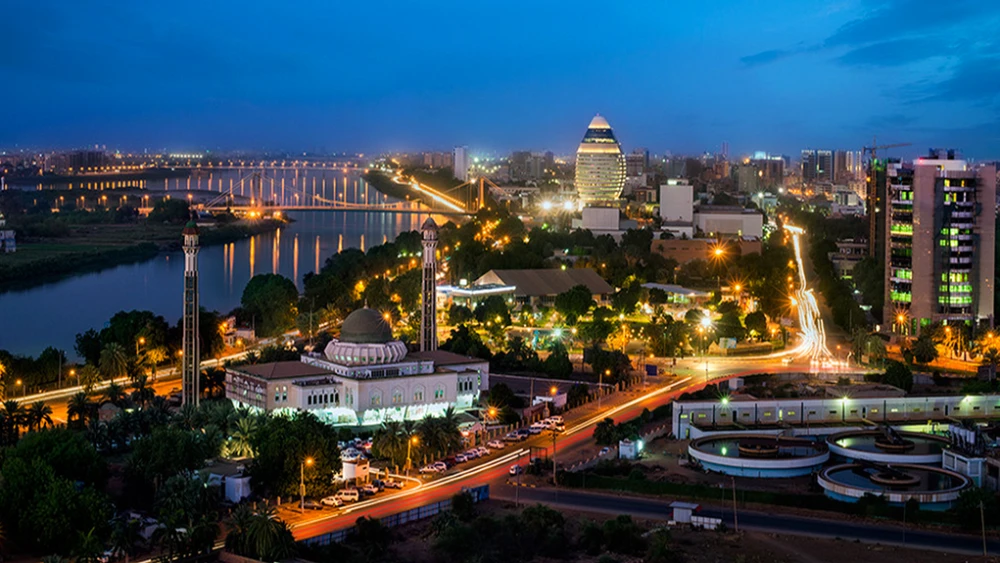
A view of Khartoum, Sudan. Credit: Wikimedia Commons.

Sudan’s cabinet decided on Tuesday to repeal a law dating back to 1958 that barred diplomatic or business relations with Israel, it said in a statement, according to Reuters.

The decision still needs to be confirmed in a joint meeting between its sovereign council and cabinet before going into effect, though it is being seen as key to paving the way for more official ties.

According to the report, Sudan’s military is behind the move.

Sudan was one of several Arab countries that normalized relations with Israel after the initial U.S.-brokered Abraham Accords with the United Arab Emirates and Bahrain in September. Morocco also followed suit shortly afterwards to solidify ties with the Jewish state.

Israel’s Intelligence Minister Eli Cohen, who led a delegation to Sudan in January, said in a statement: “This is an important and necessary step toward the signing of a peace accord between the countries.”

That legal threshold “requires enough support to have some meaningful impact on the terrorist organization’s ability to achieve its goals,” a dissenting Fourth Circuit judge wrote. “Selling a hot dog to a terrorist would not count.”
“Besides the Palestinians, the problem is the Europeans and the leftists, promoted by NGOs. They are the most dangerous,” a Jewish U.N. employee said of antisemitism within the institution.
“I used to worry because they were black Jews, and I was more concerned that they were black,” Andrea Martin told JNS of her sons. “I never thought when I sent my kids away to college that Max would have to worry about hot coffee being poured on him in a library.”
The Israeli defense minister’s comment came two days after Turkish Foreign Minister Hakan Fidan reportedly met with Khalil al-Hayya and other Hamas terrorists in Ankara.