Israeli Elections
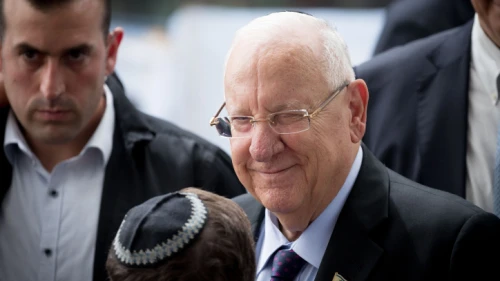
At the start of the meeting with Blue and White, Israeli President Reuven Rivlin told the party faction, “The people of Israel want a government that will be stable. A stable government cannot be a government without both of the two largest parties.”
Benjamin Netanyahu seems to be pushing all the buttons necessary to pressure Benny Gantz into joining his government; their two parties alone would form a majority of 64 seats.
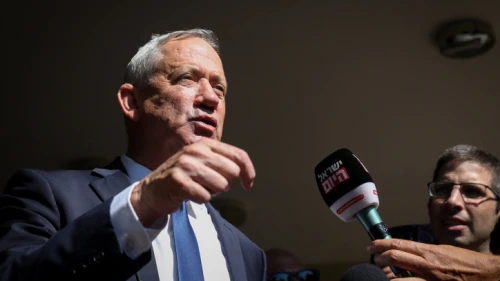
Refusing to even discuss a Netanyahu-led unity government, Gantz criticizes premier’s “spins”; Lieberman calls on Netanyahu to “quit the political exercises, tricks and shtick.”

Senior Palestinian Islamic Jihad figure says the terrorist organization is “closely monitoring” developments in Israel following the election.
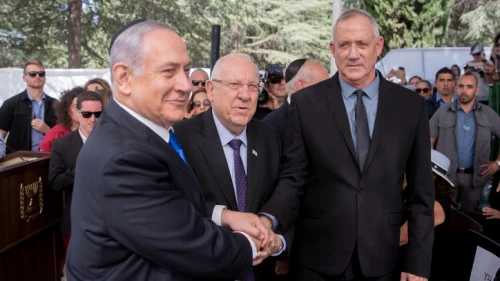
Israeli Prime Minister Benjamin Netanyahu calls on Blue and White leader Benny Gantz to meet him “at any hour today” to discuss the possibility of forming a “broad unity government.”
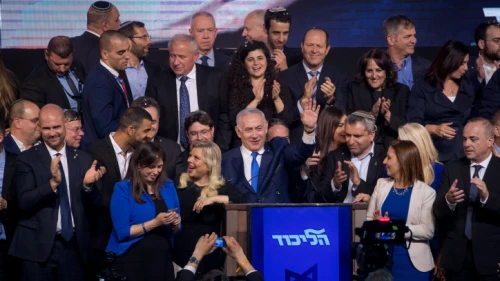
With the bloc in place, the only options are “a government with me as prime minister or a dangerous government that leans on the Arab parties,” says Israeli Prime Minister Benjamin Netanyahu.
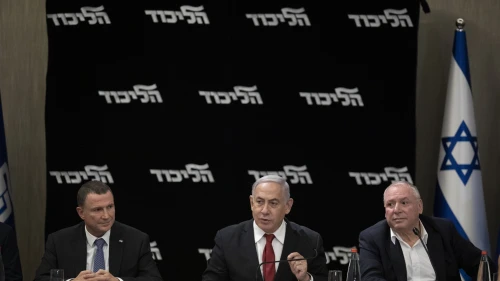
With neither the pro-Netanyahu nor anti-Netanyahu camp having a clear majority, party leaders will need to put egos and pledges aside to cross bloc lines and create a functioning government.
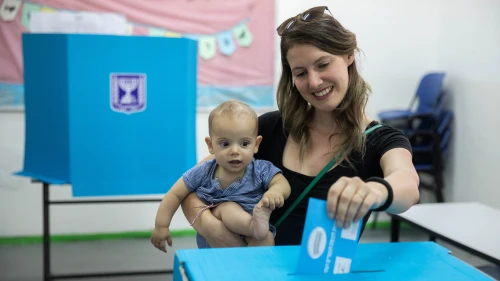
“The nation of Israel is smarter than its leaders, and the nation voted for unity,” says Israel Democracy Institute vice president Yedidia Stern.
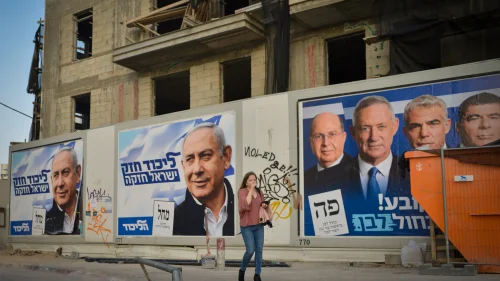
According to results published by Israel’s Central Election Committee, the Joint Arab List has 13 seats, while Yisrael Beitienu stands at 9.
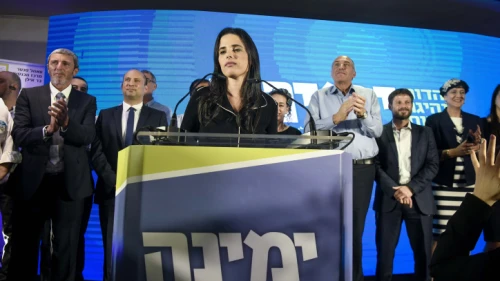
“We have to keep promises made to the electorate,” says Yamina Party leader Ayelet Shaked, “but we also need to see what’s right for the State of Israel, the ideological right and religious Zionism.”

Joint Arab List leaders jubilant after exit polls show the alliance winning as many as 15 seats • Tibi: List will “make a responsible decision” regarding who to recommend to form a government.
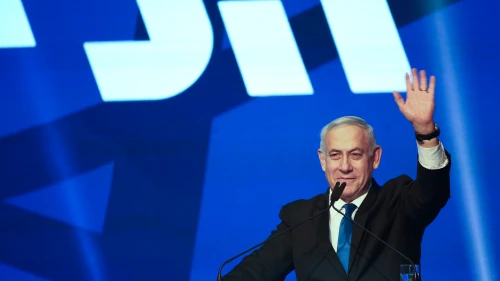
“We’re still waiting for the results. But one thing is clear, the State of Israel is at a historic turning point. We are facing immense opportunities, and immense challenges, including the existential threat from Iran,” said Israeli Prime Minister Benjamin Netanyahu.