Israeli Elections
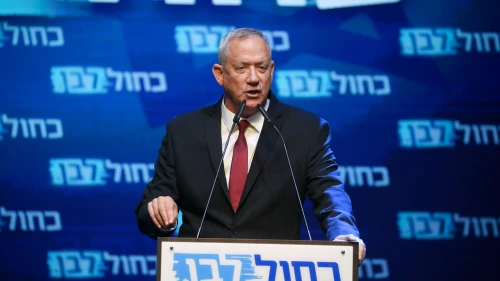
As senior Blue and White Party member Zvi Hauser told JNS: “There are 200,000 projectiles in the north; war almost erupted in Gaza, there is a 50 billion shekel deficit. There’s no choice but a unity government.”
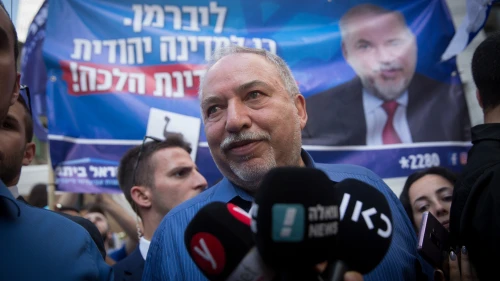
With exit polls showing Likud, and Blue and White, facing no clear path to a governing majority, many see Yisrael Beiteinu Party leader Avigdor Lieberman as a potential “kingmaker”—key to avoiding a third election.
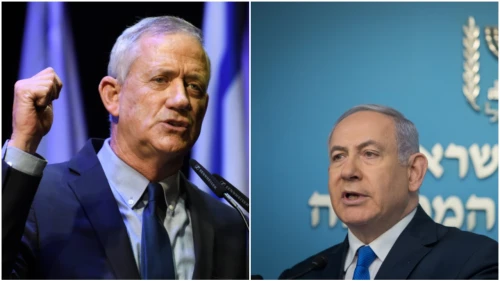
Overall, the biggest theme of the exit polls is that neither the right-wing/religious bloc nor the center-left bloc have enough seats to form a governing coalition at 61 without the support of former Defense Minister Avigdor Lieberman, head of the Yisrael Beiteinu Party.

Sports and Culture Minister Miri Regev referenced 2009 as an example of how the political picture can change drastically.
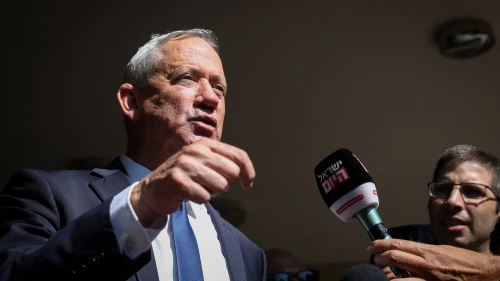
Responding to the exit polls, Blue and White Knesset Member and former Tel Aviv deputy mayor Asaf Zamir told JNS, “We are cautious and we have learned from the past, we are waiting for real results. But if these are the indications of the trend, Bibi Netanyahu failed, for the second time.”
Israel experts warned that the Sept. 17 elections could be exposed to numerous cyber attacks, as well as attempts to sway voters.

Join JNS for a live Israel Elections 2019 broadcast on Tuesday, Sept. 17.
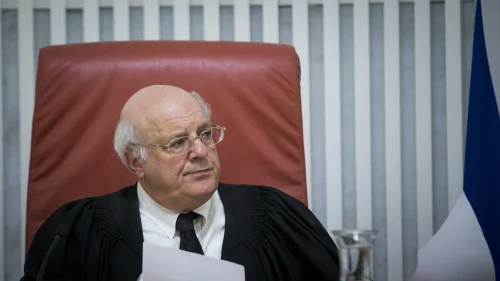
In response to a Likud Party petition, committee head Justice Hanan Melcer rules that an NGO initiative to bus 15,000 Arab voters to polling stations is illegal.

Having learned the painful lesson in April that every vote counts, the parties are planning everything from social media blitzes to fleets of buses to bring supporters to the polls.

Central Elections Committee posts 3,000 camera-equipped observers at voting stations, with instructions to notify police if anyone is found filming illegally.
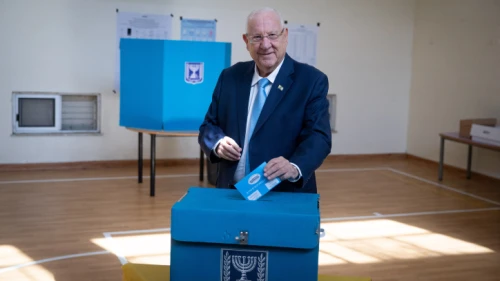
Doors opened at 7 a.m. to 6,394,030 eligible voters, with most stations scheduled to close at 10 p.m.
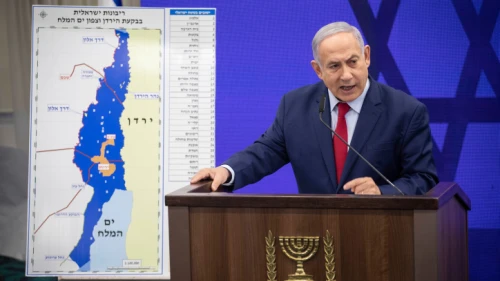
His announcement drew the expected condemnations from the left; on the right, some criticized the Israeli prime minister for waiting until now to implement this move.