Israeli Elections
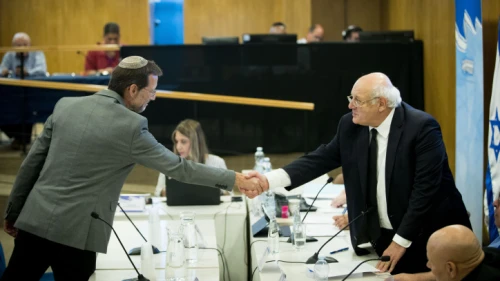
Labor Party central committee approves merger with the Gesher Party, putting to rest left-wing hopes that the new Democractic Camp would join forces with it. Parties have until 10 p.m. to ink a deal.
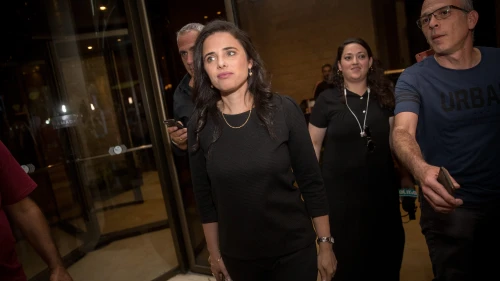
New Right Party chair Ayelet Shaked joins with another party to broaden the political home for a range of views that lean their way. It also boosts her chances of re-entering the Knesset.
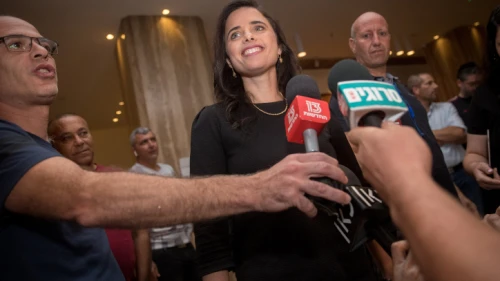
Citing a sense of “national responsibility,” URWP leader Rafi Peretz cedes top spot to Shaked • Moshe Feiglin announces that his Zehut Party will not join alliance, says “ask Shaked” why.

Hadash, the Islamic Movement’s UAL and Ahmad Tibi’s Ta’al Party announce they will run on a united list; Hadash leader Ayman Odeh says Balad will join in the coming days.
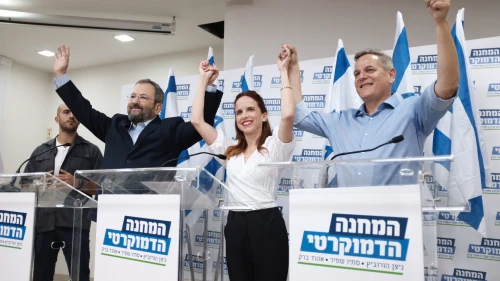
The new mega-party of former premier Ehud Barak, Meretz and Labor Party defectors look to “set Israel back on correct path.”
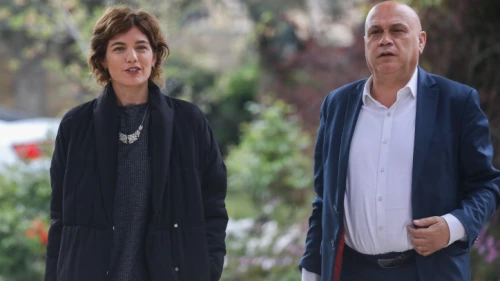
The parties are to share votes in Sept. 17 election • Former Meretz leader Zandberg calls the agreement “a dramatic step to strengthen the left.”
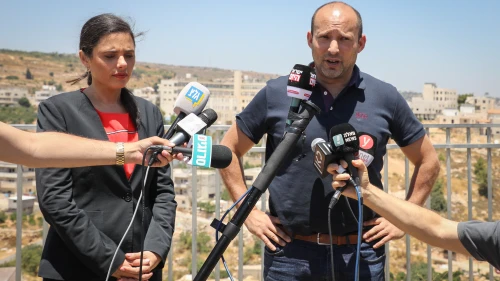
Parties have only until Aug. 1 to submit their final candidate lists to the Central Elections Committee. Until then, everything is up in the air.
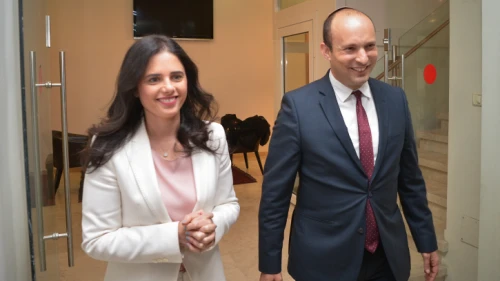
Polls show better results for a union of right-wing parties under former Justice Minister Ayelet Shaked than under current leader Rafi Peretz.
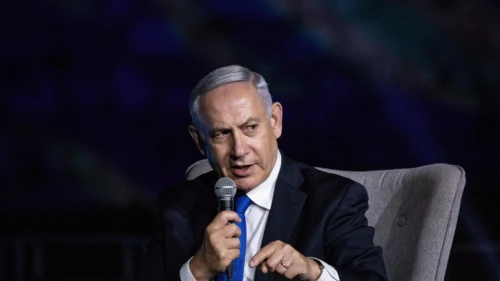
Benjamin Netanyahu just became the longest-serving prime minister in Israeli history. In a special interview, he looks back on a number of significant events from his time in office.
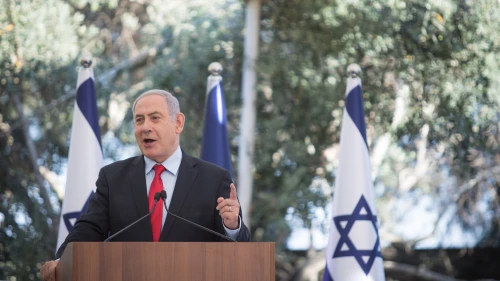
“To survive as long as he has in Israel’s raucous political system is no small feat. He has clearly left a deep imprint on the country and its future,” Michael Freund, the prime minister’s deputy communications director from 1996-99, told JNS.
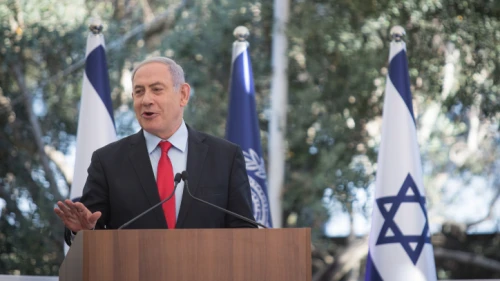
“This nation has extraordinary abilities in the economy, in defense and security, in statesmanship. We have proven that Israel could be transformed from a small country in the Middle East into a major force on the global stage,” says Israeli Prime Minister Benjamin Netanyahu.

Science and Technology Minister Ofir Akunis tells Israel Radio that under the Likud Party, Israel has always been a Jewish, democratic state—and will remain one.