Israeli Elections

Yair Golan lobbied for “broader use” of reserve service refusals to topple the Netanyahu government.

Yair Golan, a former Israel Defense Forces deputy chief of staff, was elected with over 95% of the votes.
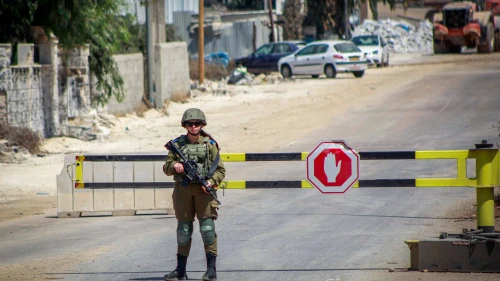
Forces in Samaria were reinforced as part of a quarterly IDF schedule approved some two months before the Hamas massacre, according to an internal military document.

“A public ultimatum must be issued to Hezbollah that they completely stop shooting and withdraw all forces to beyond the Litani River,” the minister said.

“This war had three goals: The destruction of Hamas, the return of the hostages and making sure that Gaza does not pose a threat to Israel. The deal you are now looking at leaves us without these goals,” MK Ohad Tal told JNS.

Settlements and National Missions Minister Orit Strook said that a government that approves such an agreement “has no right to exist.”

The Senate majority leader drew intense criticism, including from within his own party and from major Jewish organizations, last month.
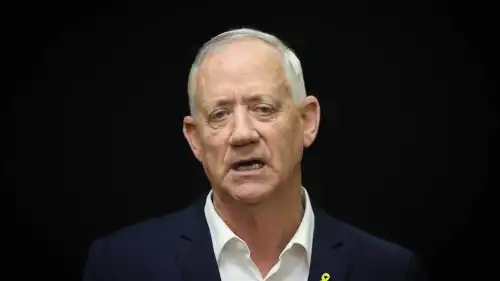
Israel should go to the polls in September, the National Unity leader and War Cabinet member said.

In February, the former PM called on the public to “besiege” parliament to force an early vote.

If the attorney-general approves the indictment, Lazimi can request immunity from the Knesset, which a majority of lawmakers would have to approve.

“The first who welcome this is Hamas, and that says everything,” Netanyahu said in response to the call for elections.

Sen. Tim Scott (R-S.C.), who introduced the bill, noted that the Senate majority leader “gave an unprecedented speech on the Senate floor where he called for elections to be held in Israel.”