Israeli Elections
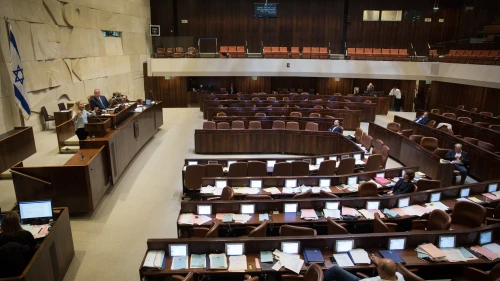
Of the 22 parties currently running, 14 parties are currently all polling within one or two seats above or below the electoral threshold, many within a margin of error. Party leaders will be forced to make compromises and political alliances, or risk not making it through to the parliament.

In Brazil last week, journalists asked Netanyahu how he would proceed if Israel’s Attorney General announces a pre-indictment hearing. Instead of questions about governing the State of Israel and defending against serious regional threats, attention is now continually drawn towards Netanyahu’s legal battles.
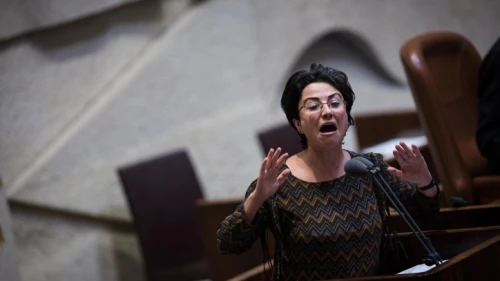
She has sparked outrage by supporting Hamas and by labeling IDF soldiers “murderers” • Former Defense Minister Avigdor Lieberman: “It’s good that a senior representative of the fifth column is leaving the Knesset. I wish her the best of luck in Gaza or Beirut.”
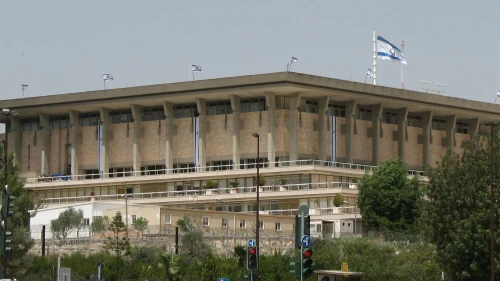
Likud 28.8, Israel Resilience 12.8, Yesh Atid 12.7, Joint List 11.7, New Right 8.8
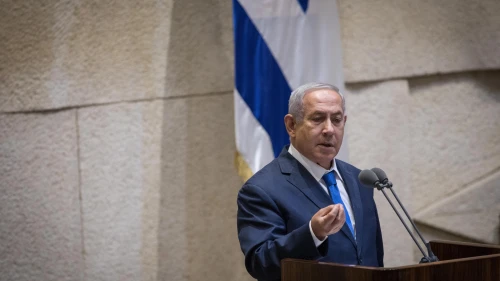
Israeli Prime Minister Benjamin Netanyahu slams the left and the media for “putting brute, inhumane pressure” on the attorney general to indict him at all cost, says it constitutes an attempt to “grossly intervene” in election.
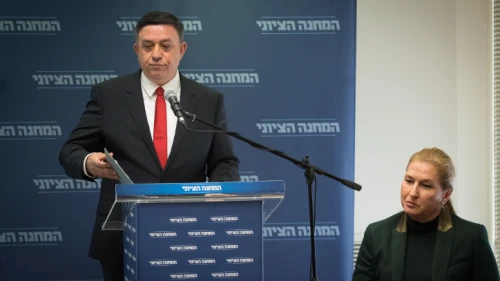
Ahead of the party’s Feb. 11 primaries, Knesset member Eitan Cabel says, “We must not let the Labor party die.”
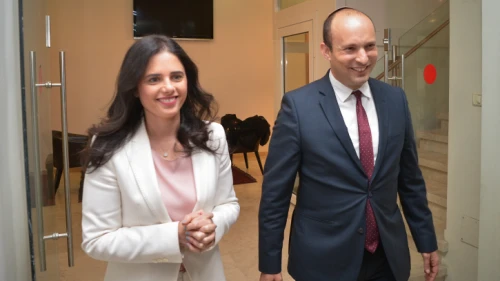
Naftali Bennett and Ayelet Shaked’s new party is projected to win eight Knesset seats, while Jewish Home, from which they split, would win only four seats.

Labor Party leader Avi Gabbay’s decision to dissolve Zionist Union earns scathing criticism from party officials, who were not consulted • “That’s not how you do things, especially things like this,” one MK says • Gabbay’s future in Labor remains unclear.

“With her, we are building today the dream team of the Israeli right in order to expand the right-wing block, and so that Israel can be triumphant again,” said Education Minister Naftali Bennett.
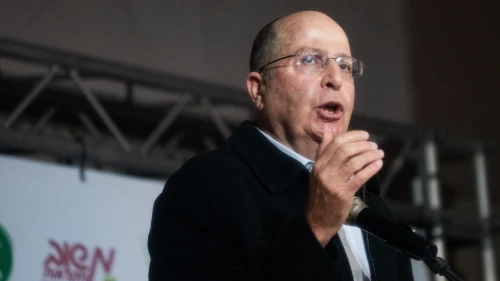
The latest polling has suggested that Moshe Ya’alon would fail to clear the 3.25 percent minimum vote threshold needed to enter the Knesset.
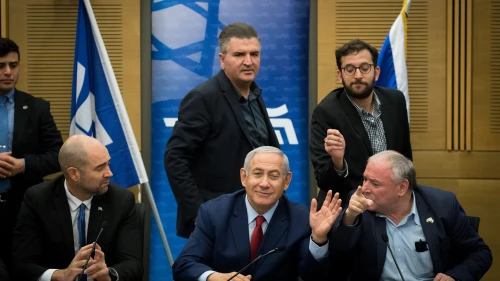
The recent shifts are likely only the first in Israel’s rapid election cycle that culminates at the national polls on April 9.

PM Netanyahu names Yoav Gallant as immigration and absorption minister, which allows him to keep his seat on the Diplomatic-Security Cabinet • Gallant, the fourth MK to leave Kulanu in recent weeks, has yet to officially confirm his move to Likud.