Israeli Foreign Policy
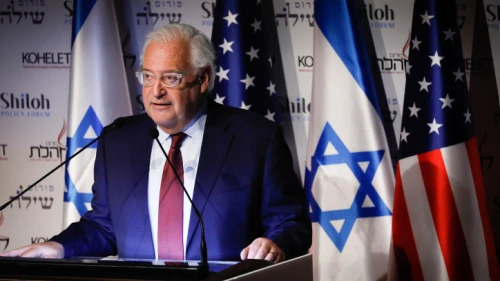
His tweet warning against unilateral annexation of territory in Judea and Samaria prior to Israel’s March 2 election “wasn’t a threat,” but “lets people know where we stand,” says U.S. Ambassador to Israel David Friedman.

U.S. Secretary of State Mike Pompeo and his team have been mediating between Israeli and Saudi Arabia for the past few months.
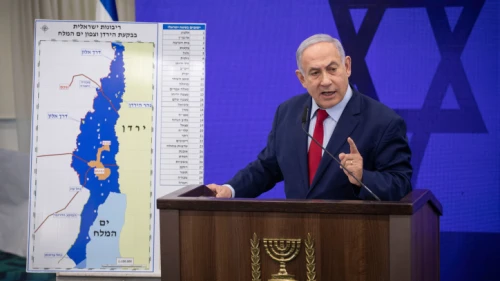
“We are already at the height of the process of mapping the area that, according to the Trump plan, will become part of the State of Israel. It won’t take too long,” says Israeli Prime Minister Benjamin Netanyahu.

“We want peace and have always wanted peace. The Trump plan is the only vision that actually acknowledges what it will take to achieve peace.”

The senior adviser and presidential son-in-law said those who want a state “don’t call for days of rage and encourage their people to pursue violence if they’re not getting what they want.”
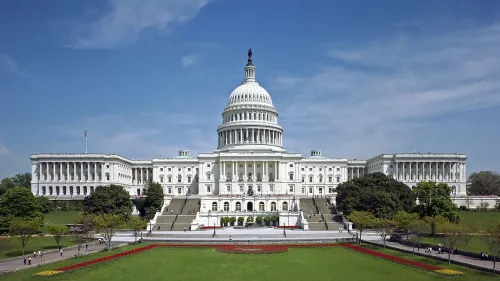
The congressional members said the proposal will push the two sides towards additional conflict.

A median of 18 percent of people across the 33 surveyed countries expressed net approval of Trump’s policies, while a median of 67 percent of people expressed net disapproval.

An agreement “in principle” to allow flights to Israel to cross Sudan’s airspace comes days after a meeting in Uganda between Sudan’s transitional leader and Israeli Prime Minister Benjamin Netanyahu.

“The Israeli birth rate is strong and is growing because sadly, anti-Semitism in Europe and other places around the world is encouraging more Jews to return to Israel. The settlements are going to continue to expand,” said U.S. National Security Advisor Robert O’Brien.

Sudan, in particular, wants to be removed as a state sponsor of terror, end its isolation and rebuild its economy.

After Ramallah blasts Khartoum for “stabbing Palestinians in the back,” Sudan’s transitional leader, Gen. Abdel Fattah al-Burhan, says nothing has changed in his country’s stance on the Palestinian issue.

E.U. foreign policy chief issues his own statement after six E.U. member states, including Italy, Hungary and the Czech Republic, oppose a resolution condemning the new U.S. peace deal.