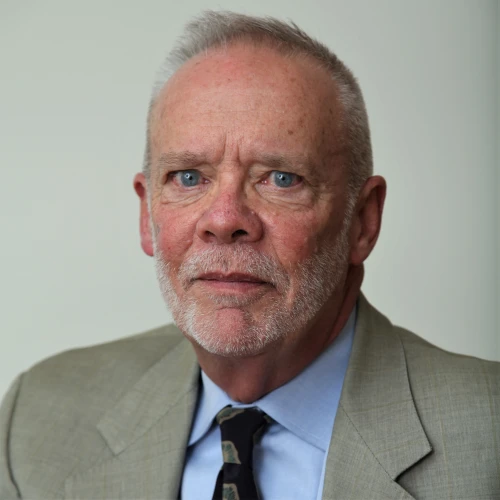
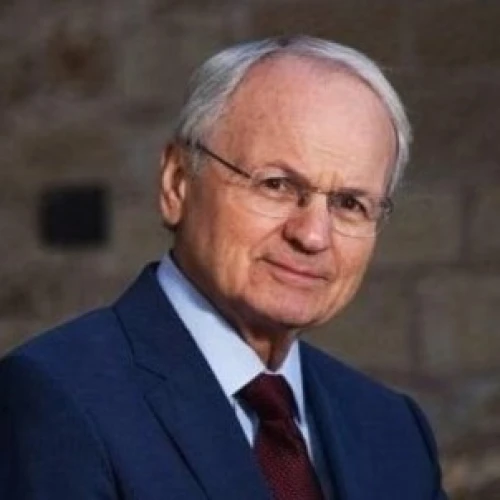
Israeli Health Minister Yuli Edelstein expressed cautious optimism on Sunday that the coronavirus curve was again flattening, but said that the numbers were still far too high.
During a press conference with Israeli Prime Minister Benjamin Netanyahu, Health Ministry Director-General Hezi Levi and newly appointed Coronavirus Task Force head Ronni Gamzu, Edelstein said “we managed to stop the rise in infections. This is good, but it’s not enough yet. The numbers are still high and worrying, including the number of serious patients.”
As of Monday, there were 334 COVID-19 patients in Israel in serious condition, 100 of whom are on ventilator machines, according to Health Ministry data.
At the press conference, which was held at the Sheba Medical Center in Ramat Gan, Netanyahu said the main focus of the country’s effort to combat the pandemic was “cutting the chain of infection.”
“There is a question of mathematical and statistical models here I will not get into that at the moment,” said Netanyahu. “However, I think that we are on the right direction here.”
The prime minister stressed that the cooperation of the public was crucial to getting the pandemic under control, and urged people to wear masks and avoid large gatherings.
Gamzu emphasized that it was still far too early to think about relaxing restrictions.
“I—we—cannot afford to be hasty, reckless,” he said. “We understand the financial crisis, we very much understand the hardship. We understand that this cannot continue indefinitely. It will be easier for us to relax the restrictions when we start seeing the infection rate dropping.”
Asked about the possibility of a vaccine, Netanyahu said that while there were no guarantees, “the signs at the moment seem encouraging,” and Israel was purchasing options for vaccines.
“If there will be vaccines, I want the State of Israel to have access to these vaccines. First of all, for the medical teams and populations at risk and afterwards, of course, for the rest of the population,” he said.