


Israel set another negative record on Wednesday, as the Health Ministry pegged the number of new coronavirus cases diagnosed in the span of 24 hours at 6,782.
As of Wednesday afternoon, Israel had recorded 200,041 confirmed cases, including 1,316 deaths, with 144,041 patients having recovered from the disease.
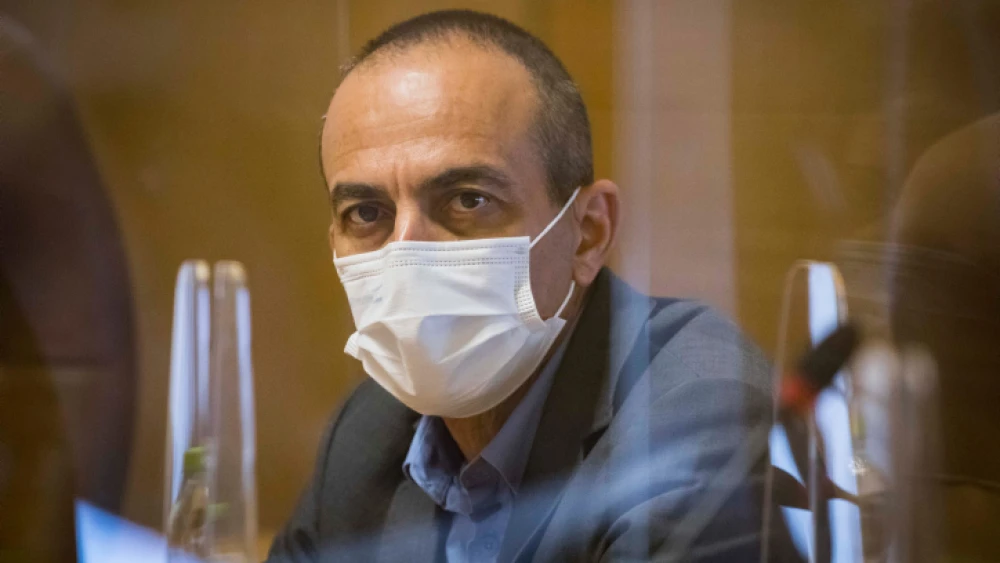
Coronavirus Project Coordinator Ronni Gamzu said that while the record number of tests performed between Tuesday and Wednesday—34,400— partially accounted for the high number of positive results, it was clear that the outbreak was showing no signs of slowing down.
Gamzu explained that the current infection rate nationwide demands that the lockdown imposed last Friday be intensified.
“It’s important to note that we have not been seeing full compliance from the general public—and I’m referring to all sectors, secular and haredi [ultra-Orthodox] alike,” he said.
He further warned that, given the rise in morbidity, which has sparked concerns that the health-care system may soon be unable to offer patients adequate care, decision-makers must seriously consider tightening the lockdown, despite its impact on the economy.
The so-called “coronavirus cabinet” resumed deliberations on the subject on Wednesday afternoon.
After multiple delays, the ministers are expected to vote on a host of new restrictions, including further limits on the private sector’s activity, limited rituals and prayer services on Yom Kippur, and a ban on Sukkot markets for the “Four Species” or “Four Kinds.”
The potential shuttering of synagogues during Yom Kippur—the holiest day in Judaism—is seen as a highly controversial move that could ruffle the ultra-Orthodox parties’ feathers to the point of sparking a coalition crisis.
Interior Minister Aryeh Deri, the leader of the ultra-Orthodox Shas Party, who on Tuesday had said that he would only support limitations on synagogues if demonstrations were significantly restricted, stressed on Wednesday that he believes the synagogues should remain open on Yom Kippur, regardless of any other restrictions imposed by the government.
“Synagogues must be allowed to remain open on Yom Kippur, the holiest day of the year,” he tweeted. “They can operate according to the ‘purple tag’ restricted outline that was already established by the government, just as businesses do.”
Deri conceded that synagogues could be closed for the remainder of the lockdown, imposed for the duration of the High Holidays, tweeting, “During the rest of the lockdown, if the Health Ministry objects to people gathering in enclosed spaces, we will all pray outdoors,” he said. “During the lockdown, anyone who wants to attend a protest will do so only in the vicinity of his home. It has to be made clear that the same law applies to both synagogues and protests.”
This article first appeared in Israel Hayom.


