Tisha B’Av, the pinnacle of the Jewish mourning period for destructions of the First and Second Temples, will be observed this year from sundown on Aug. 13 until nightfall on Aug. 13. It is the saddest day on the Jewish calendar when many fast and pray.
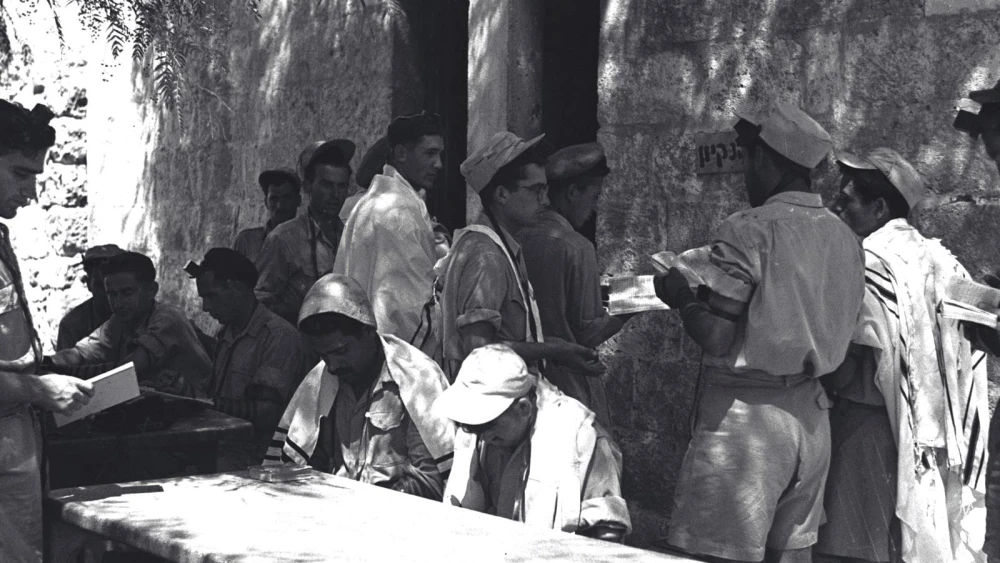
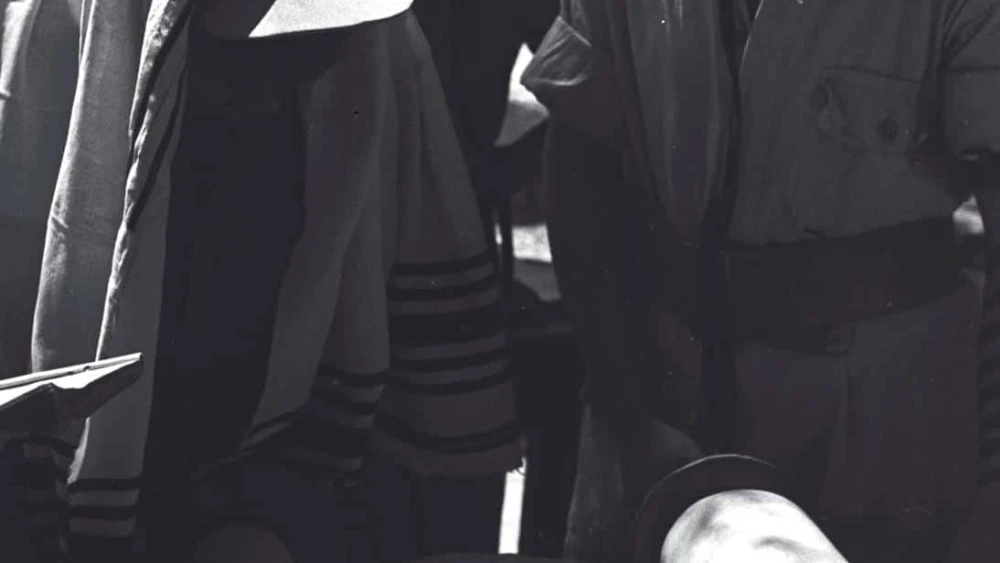
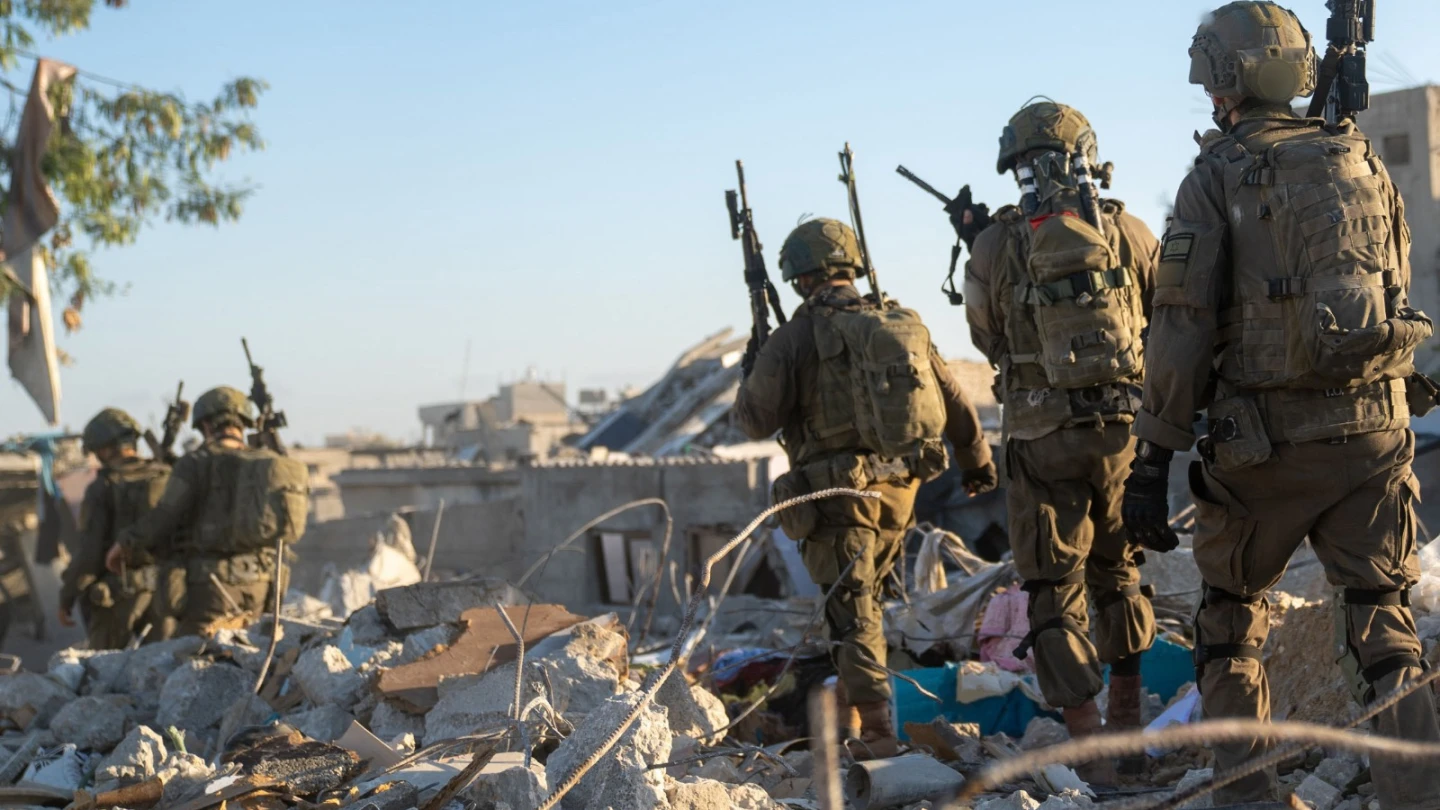
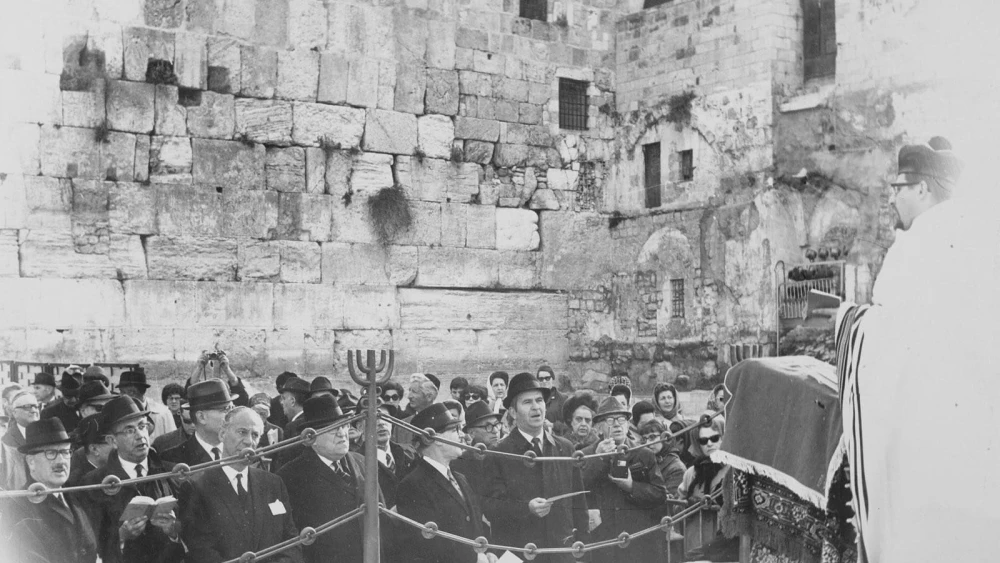
In preparation, KKL-JNF is releasing rare photographs from the early days of Israel that capture the commemoration of Tisha B’Av. The images reveal soldiers observing the traditions of the day at a military base, as well as a mass prayer at the Western Wall in Jerusalem. They illustrate how Jewish traditions were deeply rooted in the early days of Israeli statehood and underscore the enduring importance of maintaining commandments and customs.
Efrat Sinai, director of archives at KKL-JNF, said: “The KKL-JNF archive preserves numerous moments from the history of the State of Israel—from communities and revival to leaders and pioneers, and from festivals to holidays. We are proud to continue revealing important photographs from KKL-JNF’s extensive collection, which documents the Land of Israel and its history from the early 20th century to today.”