Newsletter
Newsletter Support JNS

Proposed new rules on coal, wood ovens poised to hit matzah bakeries

“We don’t want to hurt businesses in the city,” New York City Mayor Eric Adams said in response to worries and criticism.

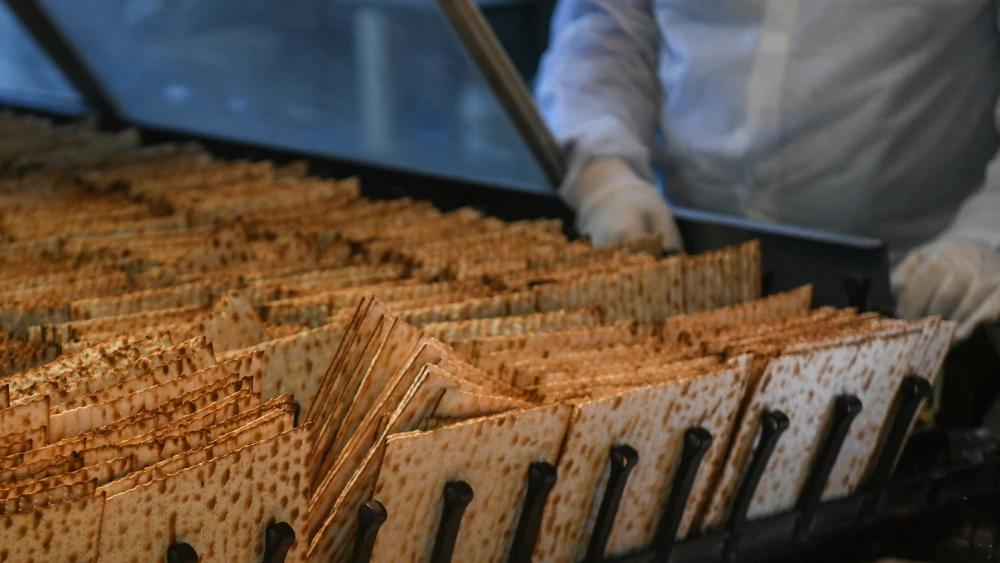
Workers prepare matzah ahead of the Passover holiday at the Aviv matzah plant in Bnei Brak on April 14, 2019. Photo by Flash90.

New York City’s Department of Environmental Protection has recently proposed new regulations that would require restaurants and bakeries using coal or wood to prepare their food would need to install emission filters to reduce their smoke output by 75%.

“This is the religious tradition for all these years,” said Alter Eckstein, pointing out that gas stoves cannot reach the heat needed for the process. “It’s also about the religion. This is how we bake for the past thousands of years, and we don’t want to change anything.”

Eckstein, 36, manages Satmar Broadway Matzah Bakery and had spent more than $600,000 in anticipation of the regulations, along with appeasing his neighbors who had sometimes complained about pollution caused by the business.

City Councilman Ari Kagan, who represents District 47 in Brooklyn, N.Y., pledged to defend the bakeries, asking “Why are we going after them? It’s completely opposite to what we should be doing.”

“I am totally against it,” he said. “It is wrong.”

“We now have full cooperation with Israel, and hopefully they will encourage Jewish or Israeli investment in Somaliland,” the president of the breakaway republic told reporters.
The Israeli prime minister plans to address the General Assembly on “Iran, the Abraham Accords and opportunities in the region,” the Israeli envoy to the global body told JNS.
“Canada’s government will do everything in our power to support law enforcement in ensuring that the perpetrator is held accountable,” said Premier Mark Carney.
Qatari liquefied natural gas exports plunged 96% amid fallout from Iranian strikes on its energy sites.