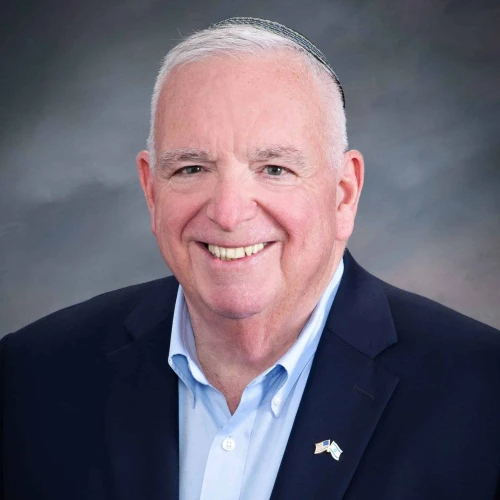
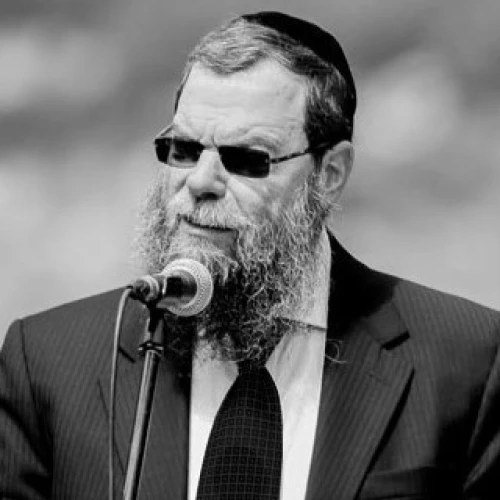
As JNS editor-in-chief Jonathan Tobin notes, many American Jews have been shocked by the trauma of the Oct. 7 terrorist attacks in Israel and the subsequent surge of antisemitism, and that has led to increased activism and donations on behalf of Israel and Jewish causes. On the other hand, a large number of Jews throughout the country, especially progressives, have become more assimilated and less interested in Jewish life, even alienated from the State of Israel.
The question facing American Jewry is which trend is more important.
He is joined in this week’s episode of “Think Twice” by scholar and author Jack Wertheimer, whose new book, Jewish Giving: Philanthropy and the Shaping of American Jewish Life, traces the history of the subject to the present day. According to Wertheimer, since Oct. 7, 2023, “Jews have come out of the woodwork to give in support of Israel and support of Jewish institutions.”
On the other hand, there has been a marked decline in giving to Jewish causes in recent decades. The 2020 Pew Research Center survey on American Jews showed that for the first time, a majority of them were not giving to Jewish philanthropies. Wertheimer said that there was overlap between this group and those whom demographers describe as “Jews of no religion,” and those who identify as political progressives.
The problem is greater among younger Jews, who are being heavily influenced by what he described as “propagandistic social media” that is hostile to Israel, coupled with “tribal” loyalties to Israel and the Jews that have become out of fashion on the political left. Some see the problem as organizations and philanthropies being too focused on Jewish causes, rather than not having enough interest in them.
Wertheimer’s research leads him to the conclusion that the problems facing umbrella Jewish philanthropies like federations are no different from those being faced by similar secular groups. He also thinks that the belief that “big donors” are having a disproportionate impact on driving the agenda of the Jewish community is overblown. Jewish groups and donors are not monolithic in their agendas.
He points out the key question facing the Jewish community: How can leaders follow up on the post-Oct. 7 increase in interest in Jewish life from those who have been galvanized by the horrific actions of Hamas and its antisemitic supporters, including among a good number of secular Jews who had been “checking out” of the community?
Wertheimer asserts that even as major Jewish philanthropies have recognized the importance of support for Israel, they also realize the vital importance of educating the next generation and socializing them into participating in Jewish communal life. Because without that, there won’t be a future for Jewish philanthropy.
Listen/Subscribe to weekly episodes on Spotify, Apple Podcasts, YouTube Music, iHeart Radio or wherever you listen to your podcasts.
Watch new episodes every week by subscribing to the JNS YouTube Channel.