Ongoing diplomatic negotiations across multiple fronts are a direct result of the Israeli military’s “historic achievements,” IDF Chief of Staff Lt. Gen. Eyal Zamir said at an operational forum on Monday.
“We must ensure that we fully capitalize on and maximize the achievements of the operations,” Zamir told the audience, which included IDF senior command and officers at the rank of lieutenant colonel and above. “We are well prepared in defense, while maintaining immediate readiness and preparedness to return to high-intensity combat.”
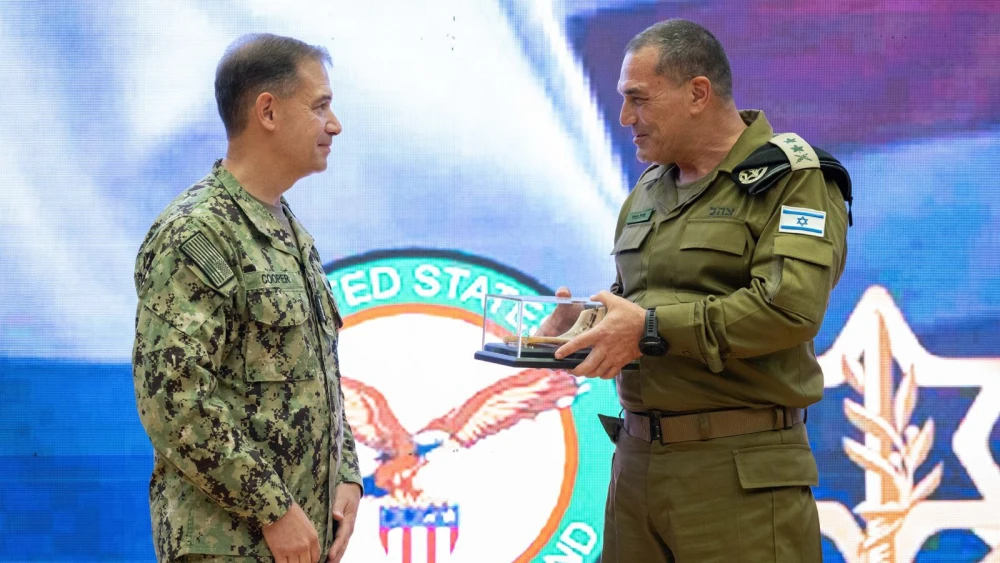
Zamir hosted U.S. Central Command (CENTCOM) Commander Adm. Brad Cooper at the forum, with Cooper describing the alliance between the two militaries as “historic and founded on trust, commitment, and strong, close cooperation,” adding that it is a “significant component in strengthening security and stability in the region.”
The IDF chief thanked Cooper for the close cooperation and presented him with a token of appreciation for the “deep partnership between the militaries.” Zamir said that the joint effort with the U.S. military is “unprecedented and serves as a strategic anchor.”
Zamir said the IDF remains in an “interim period” following the achievements of recent operations and called for continued vigilance. “Our challenge now is not only to preserve our achievements, but to continue shaping the reality, build our capabilities, and ensure that the IDF is prepared for every scenario,” he said.