Newsletter
Newsletter Support JNS

Israel strikes Hezbollah-controlled gas stations in Southern Lebanon

The IDF said that the the Al-Amana Fuel Company sites generate millions of dollars a year for the Iranian-backed terror group.

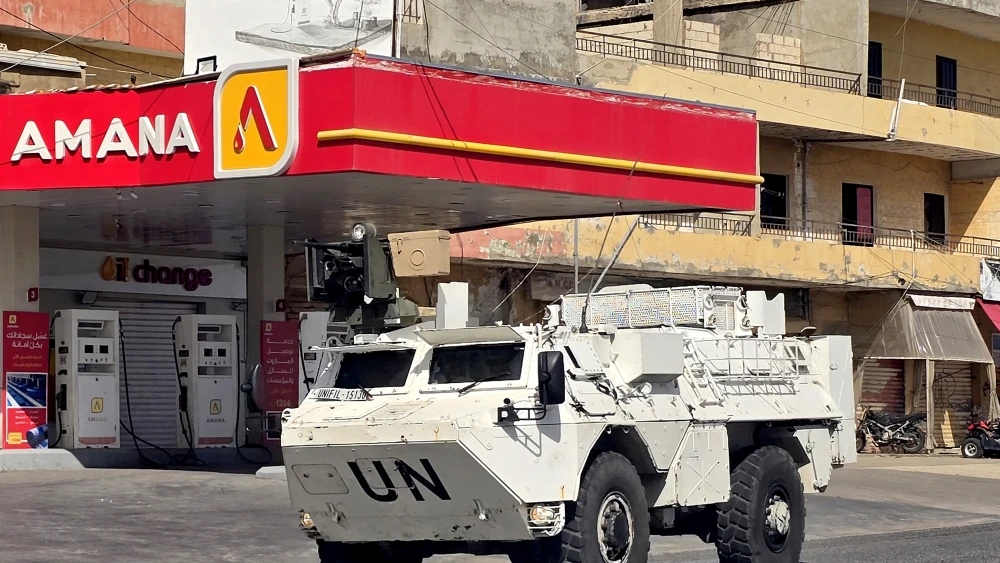
A vehicle of the U.N. Interim Force in Lebanon (UNIFIL) moves along a street in Lebanon's southern coastal city of Tyre on March 18, 2026. Photo by Kawnat Haju/AFP via Getty Images.
A vehicle of the U.N. Interim Force in Lebanon (UNIFIL) moves along a street in Lebanon’s southern coastal city of Tyre on March 18, 2026. Photo by Kawnat Haju/AFP via Getty Images.
KAWNAT HAJU/AFP via Getty Images

The Israel Defense Forces said on Wednesday that it struck Hezbollah-controlled gas stations the prior night in Southern Lebanon, targeting facilities that the military said generate millions of dollars annually for Hezbollah.

According to the IDF, the Al-Amana Fuel Company sites support the Iranian-backed terror group’s military operations and funnel profits through the group’s Al-Qard Al-Hassan Association.

The military described the strikes as part of an ongoing effort to degrade Hezbollah’s financial infrastructure and curb its use of civilian areas to fund and stage attacks against Israel.

“The abuse of these gas stations is another example of Hezbollah’s exploitation of Lebanese civilians to advance terror attacks against IDF troops and the State of Israel,” the IDF said.

The American leader reportedly told aides he expected fighting to resume with the Islamic Republic after the November midterm elections.
The film is consistent with a pattern of people judging Israel without understanding the realities of war, Lt. Col. (res.) Sarit Zehavi tells JNS.
“Any use of force” from Lebanese territory against Israeli civilians or soldiers will be met with a “decisive response,” the statement warned.
The protest coincided with the anti-Israel film’s screening and featured excerpts from “October 7: Bearing Witness to the Massacre.”