U.S. Central Command (CENTCOM) on Wednesday rejected Iranian claims that American forces threatened civilian sailors via maritime radio communications as part of the U.S. blockade of Iran, calling the accusations false.
Iran complained to the International Maritime Organization on Oct. 9 that U.S. forces had used threatening language on an emergency maritime radio frequency, causing psychological distress to civilian crews.
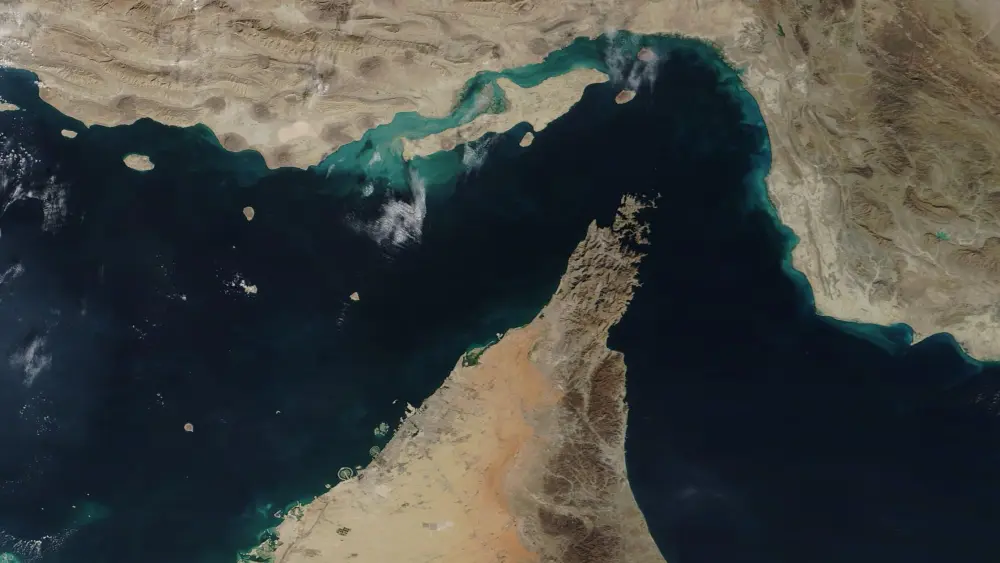
CENTCOM said its blockade communications were conducted professionally and accused Tehran of attacking civilian vessels. The command added that commercial shipping continues through the Strait of Hormuz under coordinated protection from U.S. forces and regional partners.
🚫 CLAIM: Iran's ambassador to the International Maritime Organization recently claimed that the U.S. military is using "threatening, abusive, and provocative language" against Iranian mariners and causing "serious stress and psychological pressure to civilian crews." This is… pic.twitter.com/dLP1Fg82I3
— U.S. Central Command (@CENTCOM) October 14, 2026