A federal civil rights advisory committee report found that anti-Israel demonstrations and a weeks-long encampment at Denver’s Auraria campus featured antisemitic conduct and rhetoric that marginalized Jewish students and disrupted campus operations.
The May 2026 report by the Colorado Advisory Committee to the U.S. Commission on Civil Rights, titled “Examining the Presence and/or Absence of Antisemitism on the Auraria Campus in Denver,” concluded that Jewish students were effectively excluded from parts of campus life as administrators struggled to maintain order.
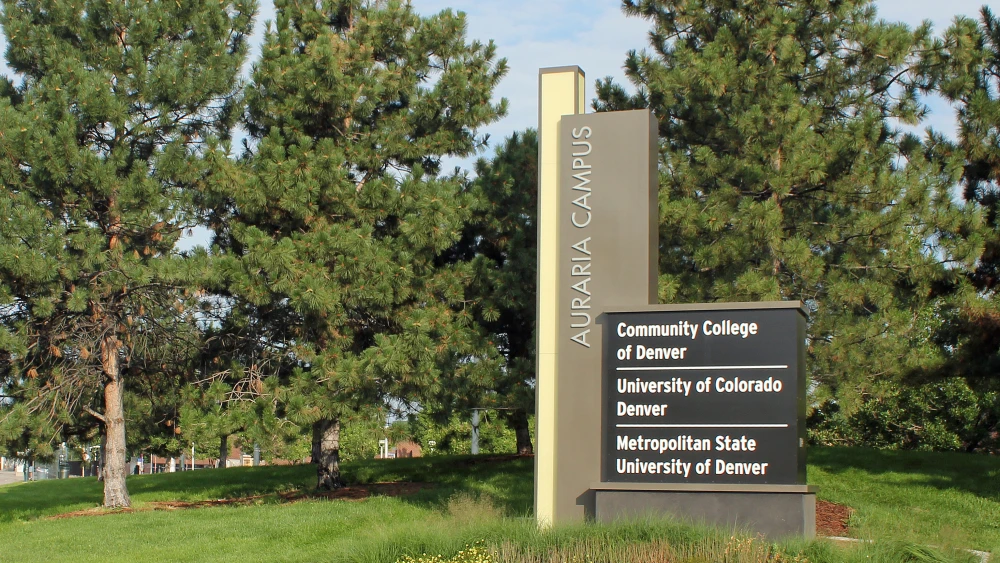
The 164-page report examined events at the Auraria campus, which includes the University of Colorado Denver, Metropolitan State University of Denver and the Community College of Denver. According to the committee, protests began shortly after the Hamas-led terrorist attacks on southern Israel on Oct. 7, 2023, with Students for a Democratic Society organizing “Solidarity with Palestine” rallies outside the Golda Meir House Museum and Education Center on Oct. 11, 2023.
“The protests were not peaceful,” Lena Fishman, executive director of the museum, testified, noting that demonstrators used megaphones and drums and “shouted antisemitic slogans.”
A pro-Palestinian encampment was established on the Tivoli Quad on April 25, 2024, and remained until protesters voluntarily dismantled it on May 17, 2024. The report described repeated demonstrations, street blockades, building occupations and campus lockdowns during that period. Campus officials eventually shifted classes online and restricted building access amid escalating disruptions.
According to the report, the encampment and related protests forced the Golda Meir House to halt Shabbat dinners and other Jewish programming, prompted police escorts for visitors and contributed to a temporary campus shutdown in May 2024.
The committee also found that city officials gave protesters “special exemptions from law enforcement,” and prevented police from dismantling the protest despite trespassing violations and repeated campus disruptions.
Among its recommendations, the committee urged colleges and universities to enforce campus conduct policies consistently, strengthen reporting systems for antisemitic incidents and expand protections for Jewish students and institutions. It also called on federal agencies to continue investigating campus antisemitism complaints and recommended additional training based on the International Holocaust Remembrance Alliance’s working definition of antisemitism.
The committee further urged law enforcement agencies and public officials to apply laws evenly during demonstrations and avoid granting protest groups exemptions from enforcement.