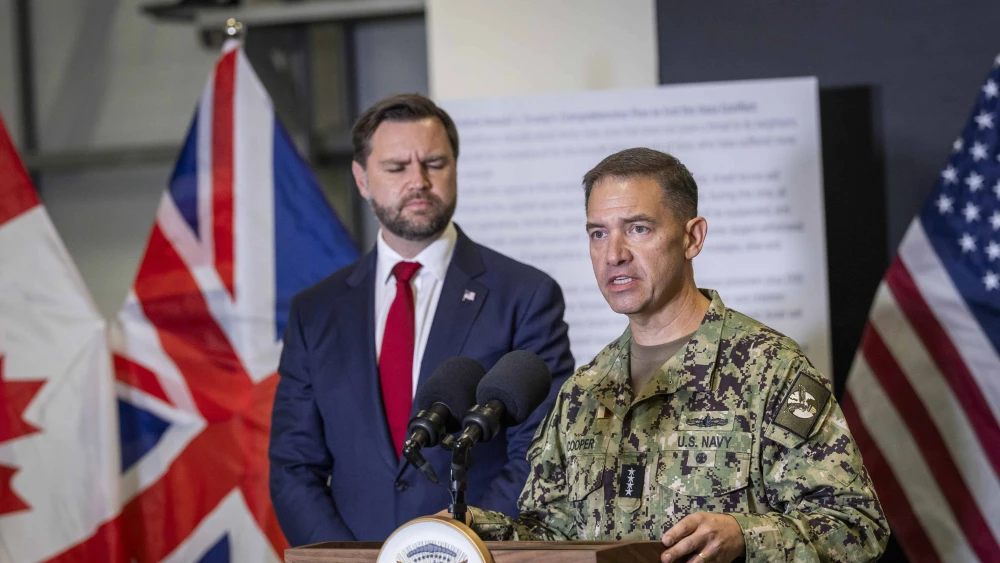
According to U.S. Vice President JD Vance, Washington intends to continue the war against Iran for “a little while longer” to ensure that the Islamic Republic is “neutered” for “a very, very long time.”
Speaking on the “Benny Show” podcast on Friday, Vance said the United States has already achieved most of its military objectives but will maintain pressure to prevent Iran from rebuilding its strategic capabilities.
“We have accomplished the vast majority of our military projects,” Vance said, suggesting that the central objectives of the campaign have already been met.
Vance’s remarks come as the Trump administration continues both military operations, in tandem with Israel, and diplomatic efforts aimed at ending the conflict. U.S. President Donald Trump has indicated that Vance is involved in diplomatic efforts with Iran, alongside envoy Steve Witkoff and adviser Jared Kushner.
“The president’s going to keep at it for a little while longer to ensure that once we leave, we don’t have to do this again for a very, very long time,” he said.
Vance stressed that the main aim of the campaign is to prevent Iran from advancing its nuclear ambitions and threatening regional stability.
“This country is threatening us in all these ways. They’re still trying to build a nuclear weapon. We need to neuter them for a very, very long time, and that’s the purpose,” he said.
Addressing concerns over rising fuel prices linked to the conflict, Vance described the increase as temporary and tied to market reactions to the war.
“We’re not interested in being in Iran a year down the road or two years down the road. We’re taking care of business. We’re going to be out of there soon, and gas prices are going to come back down,” he predicted.
JD Vance | Saving Western Civilization by Fighting Demons, Will We Survive?
— Benny Johnson (@bennyjohnson) March 28, 2026
0:00 - Intro
1:13 - Advice to Young Men
3:00 - Fighting Fraud
5:59 - Ilhan Omar Immigration Fraud
7:16 - Tim Walz
7:48 - The SAVE America Act
11:50 - Mass Deportations
13:44 - Response to Joe Rogan
15:12… pic.twitter.com/A2fwHVTLVu