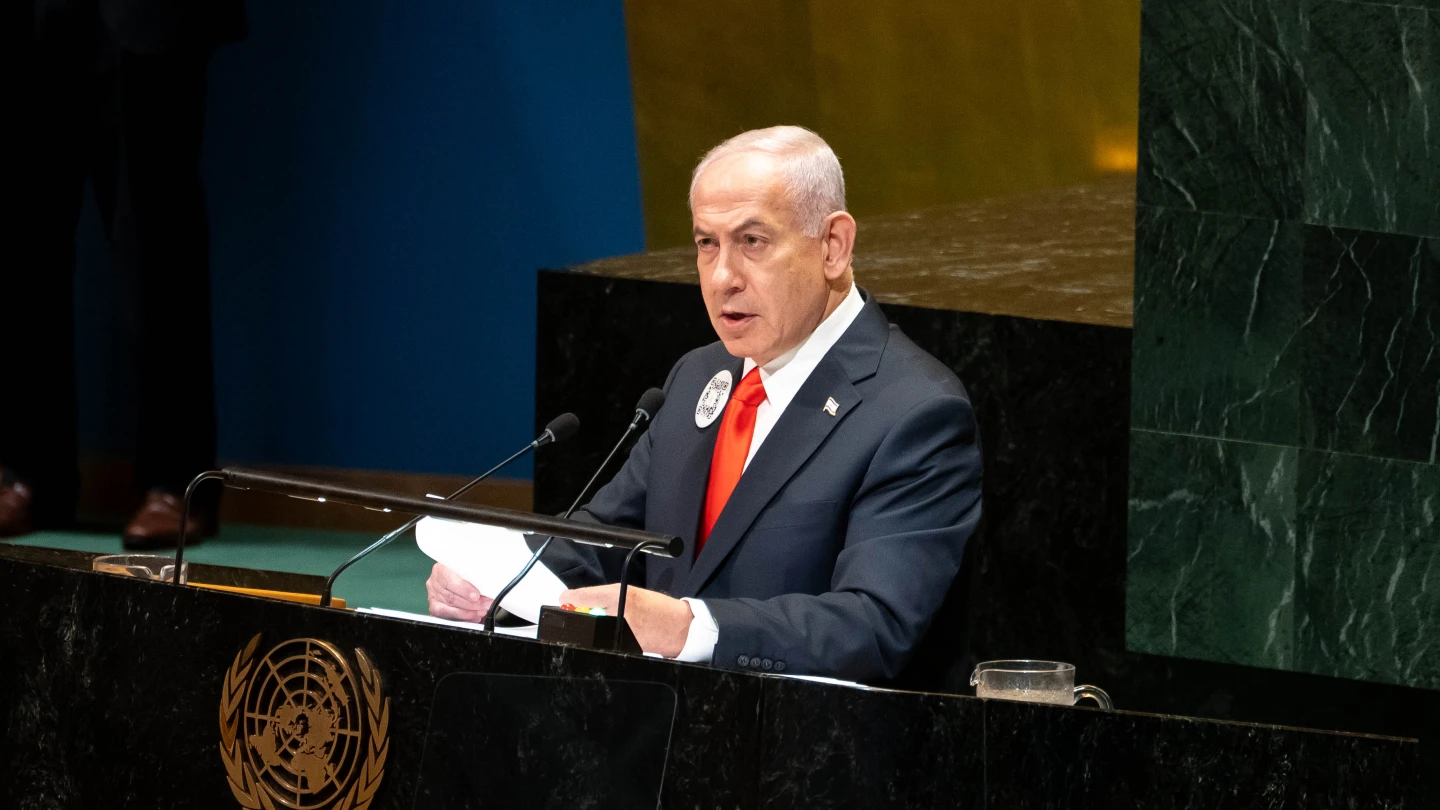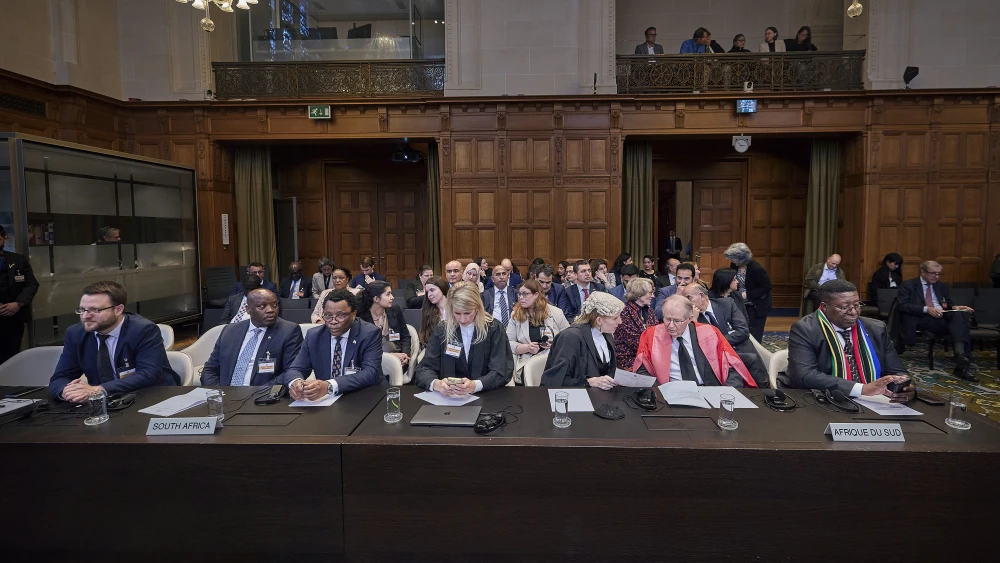

The decision handed down by the International Court of Justice (ICJ) ordering Israel to terminate its military operation in Rafah exposed the moral rot that has spread through our international institutions. Headed by a judge from an enemy state, the ICJ exploited the Genocide Convention in order to rescue Hamas rapists and genocidaires. This distortion makes it essential that Israel change its approach to engaging with international legal institutions.
We tried playing by the biased rules to no avail. For three decades, Israeli citizens made peace with Israel’s ruling juristocracy because of the claim that they protected us from the international courts. When we were forced to justify the existential war thrust upon us on Oct. 7 to the ICJ, we sent the founding father of Israeli judicial activism to represent us. After the ICJ issued its interim order in January, Israel opened the floodgates of humanitarian aid to Gaza in unprecedented amounts despite such aid serving as fuel for Hamas to carry on waging its war on Israeli citizens. The ICJ’s order was issued after a dramatic decrease in Palestinian casualties (including terrorists).
Jurists love to claim that we live under “a rules-based international order” and so, with great reverence for the rules of reality, we will not obey the ICJ injunctions and will not stop until Hamas is destroyed, including in their last holdout in Rafah.
A survey of the history of interim orders issued by the Court shows that states tend to comply with approximately 50% of them (in other words, compliance is equal to a coin toss). Even this partial compliance is trending downwards due to the ICJ’s growing intervention in conflicts around the world. In recent years, Russia, Azerbaijan, the U.S. and Myanmar all ignored orders they viewed as harmful to vital state interests.
In 1984, the Reagan administration withdrew recognition of the ICJ’s jurisdiction over the U.S. when a suit claiming American violations of international law was filed by Nicaragua.
Israel must also immediately withdraw from the Genocide Convention and any other treaties that include adjudication by the ICJ. The state can always rejoin a convention after submitting reservations regarding jurisdiction.
Israel’s security is too important to hand over to 15 foreign judges, many of them from enemy states or dictatorships. We must stop playing by the rules of a rigged game.