
“It’s hot. Drink something, drink!”
The cab driver took my suitcase and handed me a cold bottle of soda, which in Israel is plain-old seltzer. It tasted fizzier than usual. On this particular night in Jerusalem—morning, really, at 4:30 a.m.—the weather was still muggy and oppressive, and the glass felt good to hold.
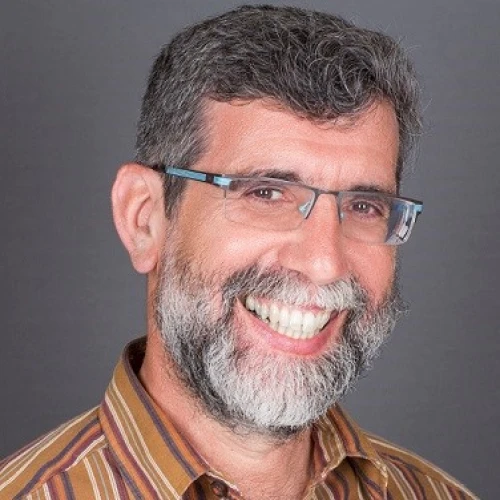
The man introduced himself as David and asked where I was from. Upon hearing Philadelphia, he said in English: “Ah, take me there with you!” I’ve heard that before in Israel, and I smiled back at him. As if lives and locales can be changed just like that.
It would be a minimum of 45 minutes before we got to the airport, so small talk was in order. We did so in a mix of Hebrew and English.
“How many children do you have?” I asked. It wasn’t an assumption; he had mentioned that he was working late because he was attending the bris of a grandson later that morning, a Friday. “Six,” he replied, “two daughters and four sons.” I didn’t get the exact details, but one daughter had been injured during a war and needed special care. I shared that I had four sons of my own. His youngest was 11 and mine 12, so we both had bar mitzvahs to look forward to.
David has been driving all his life; that’s what he does. He lamented that trains have sprouted throughout the country, especially the existence of light-rail systems in major cities. (That very day, in fact, Aug. 18, the Red Line opened in Tel Aviv.) I guess while beneficial to the majority, there are some who don’t welcome every new development. And Israel these days is all about development; not a week goes by without another advance in fields across the board. I’m betting that David has heard about the country’s progress in autonomous vehicles …
He asked why I was there in the first place; I told him I had come for work. I flew from John F. Kennedy Airport in New York to Ben-Gurion International Airport outside Tel Aviv with a group of 200-plus new immigrants to Israel as part of the annual group aliyah flight sponsored by the Nefesh B’Nefesh organization. North Americans of all ages and stages of life had landed a little more than a day ago, and a group of journalists accompanied them to write up some of their stories. The entire gig was all of 48 hours. He glanced at me in the rearview mirror with approval: David’s mother was from Syria and his father from Iraq. Now, his family are Jerusalemites to their core.
I noticed a dollar carefully covered in plastic, attached to the dashboard, and pointed it out. “From the Rebbe … ,” said David. It was a bill from the Lubavitcher Rebbe—Rabbi Menachem Mendel Schneerson—a reminder to be charitable and help people, spiritually and materially.
It was a given that we would get to judicial reform and the mess it’s created logistically, especially for drivers. “Everyone’s crazy,” said David, turning to glimpse one of the rare passing cars. “Everything’s different.” He said he voted for Prime Minister Benjamin Netanyahu—and is still a fan—but that this has got to stop. The crowds of protesters, the jeering, the anger. It needs to stop for the sake of everyone’s sanity and security, and I presumed, for his own livelihood.
He mentioned David Ben-Gurion and Menachem Begin, “real leaders,” he said. Not afraid of anything. I chimed in with Teddy Kollek, and he practically beamed. “Kollek,” he repeated. “Kollek. A giant.”
David mentioned the days when neighbors were always around and there to help; they’d watch your kids if you went out or brought you a meal, even when you weren’t hungry or didn’t need it. Israel was small then, but big in heart, big in humanity, he said. He couldn’t have been more than 60, and yet, the nostalgia was apparent.
I drained my soda, and he must have noticed because he offered me some chocolate. “No, thanks,” I said in Hebrew. “I’m fine.”
We talked about food prices going up and the cost of everything from homes to schools. We mentioned COVID. How people were finally traveling again. About elections coming up in the United States. Another mess, he said with a nod.
And then we sat in silence for a while.
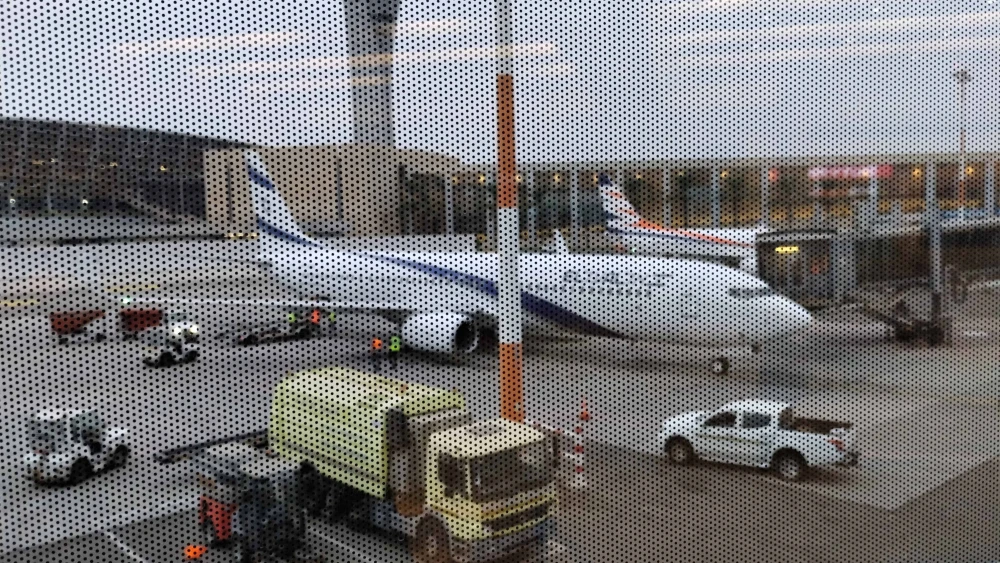
All of a sudden, we started approaching the airport. I almost wanted the ride to last longer. I paid David in U.S. dollars because, he said, his wife was saving them. But not to go to the United States … no, not there. “I am an Israeli; I can’t be anywhere else,” he said with obvious pride. (So much for accompanying me to Philly.)
He handed me his business card and said the next time I was there to call. “I invite you to my home,” he proclaimed, rather than asked. I told him I’d take him up on that. And as I fumbled around collecting my bags, I noticed that he had slipped a candy bar into one of them as a memory perhaps … or a promise of talks to come.