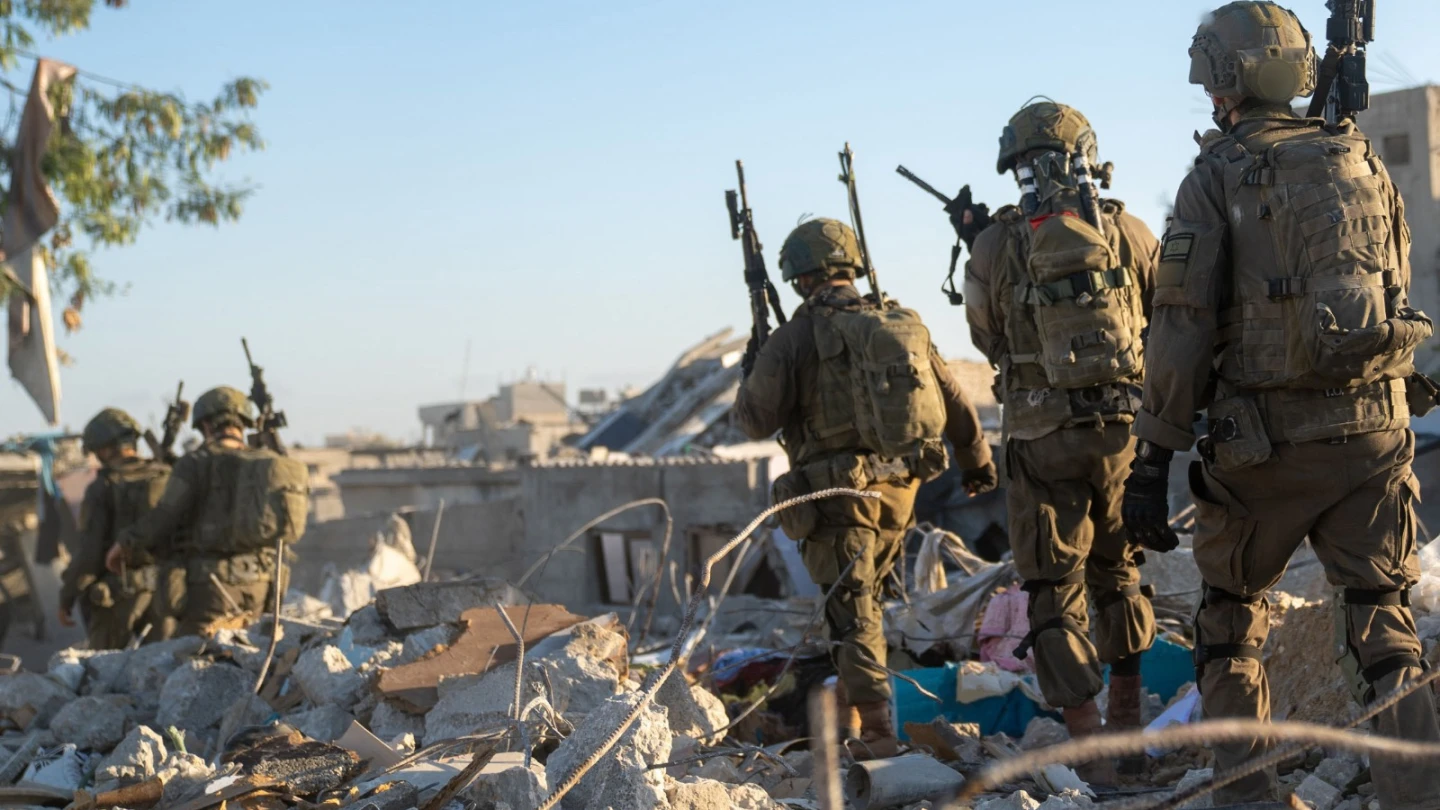
Israel now faces two decisive fronts. On one side are the collapsed negotiations in Islamabad, where American and Iranian representatives failed to reach an agreement in marathon talks led by U.S. Vice President JD Vance. On the other, Hezbollah missiles and drones again struck Kiryat Shmona, Shlomi and the Carmel region in northern Israel.
After only a few hours of relative quiet, Israeli families again debated whether it is safe to send children to school or sleep in their own beds.
The talks in Pakistan marked the first direct high-level engagement between Washington and Tehran since the Carter era. Iran arrived significantly weakened: much of its senior leadership eliminated, key generals gone, its economy damaged, missile systems degraded and its nuclear infrastructure under heavy pressure.
Yet despite this reality, Tehran presented demands tied to protecting its Lebanese proxy, Hezbollah, and unfreezing its financial assets. The posture reflected a familiar Iranian regime strategy—projecting defiance even under extreme pressure—to preserve prestige at home.
Vance made clear that Washington’s core demand remains unchanged: a firm commitment that Iran will not pursue nuclear weapons or maintain the capabilities to obtain them. Tehran declined to provide such a guarantee. The issue of the Strait of Hormuz remains central, with the United States insisting on freedom of navigation through one of the world’s most vital energy corridors.
The failure to reach an agreement leaves open the possibility of a renewed military escalation, despite the fragile ceasefire that has temporarily ended the Iran war.
Israel, while maintaining close strategic coordination with the United States, cannot lose sight of its fundamental interest: preventing the Islamic Republic from continuing to use the threat of nuclear destruction against the Jewish state as a pillar of its policy.
At the same time, Hezbollah—Tehran’s most powerful regional proxy—continues to launch missiles and drones at Israeli communities. The continued attacks underscore the difficulty of separating diplomatic developments regarding Iran from the military reality on Israel’s northern border.
Hundreds of thousands of Israeli civilians remain displaced from northern communities. Repeated attacks have made normal life impossible, leaving families unable to return home, reopen schools or resume work.
Israel therefore faces a dual imperative: to support diplomatic efforts that could reduce the Iranian threat, while ensuring that Hezbollah’s military capabilities no longer endanger its population. Israeli operations have remained largely concentrated in southern Lebanon, avoiding deeper escalation toward Beirut and preserving the possibility that the Lebanese government might yet assume responsibility for restraining the Iranian-backed militia.
Parallel diplomatic discussions have begun in Washington, where Israeli Ambassador Yehiel Leiter has emphasized that Israel is prepared to consider ceasefire arrangements only if accompanied by a credible plan to dismantle Hezbollah as an armed force threatening northern Israel. Previous commitments by Beirut, including the 2024 agreement requiring Hezbollah’s withdrawal north of the Litani River, were never implemented.
The collapse of the Pakistan talks highlights the persistent gap between Western demands and Iran’s strategic objectives. While parts of the international community continue to hope for de-escalation, Israel remains acutely aware that Tehran and its proxies may use any pause to regroup and prepare for further confrontation.
The diplomatic track and the battlefield increasingly reflect a single strategic reality. Israel must weigh pressure for compromise against its primary obligation: ensuring the safety of its citizens and preventing the re-emergence of threats that have already forced large portions of the country’s north to evacuate.
The central question remains whether the weakening of Iran and its proxies will ultimately produce lasting stability—or only a temporary pause before renewed conflict.