
The final act of the current drama will be the signing of the peace agreement between the United States and Iran. But just hours before U.S. President Donald Trump announced it, the State of Israel demonstrated that while it deeply respects its greatest friend and ally, it will never compromise on its own values or its inalienable right to self-defense.
While Iran threatened and the United States prepared to conclude the deal, Israeli fighter jets returned from another fearless operation in the skies over Dahiyeh, Hezbollah’s stronghold in southern Beirut, after striking with surgical precision the building where a top Hezbollah terrorist was living.
The regime’s new strategy is to preserve its proxies for the next round of war. And if it is to sign a deal with Trump, then Hezbollah—or, translated into more acceptable diplomatic language, Lebanon—must also be part of the equation.
The IDF spokesman warned that while nothing was certain, public gatherings had been suspended as a precaution. Concerts were canceled, teachers’ unions announced that schools would remain closed, and although Ben-Gurion Airport continued operating, travelers were advised to check flight schedules carefully.
The crisis began as Trump announced what he hoped would become the day a peace deal was signed. At roughly the same time, the ayatollahs’ regime apparently ordered Hezbollah to fire into Israel, and three drones exploded over the northern Israeli town of Shlomi.
The torment of continuous bombardment has emptied the once-green and peaceful Galilee. Schools, sports halls and supermarkets have all become targets or stand deserted. Iran and Hezbollah knew full well that by aiming at civilians, they would force Israel, regardless of how much it values its relationship with Trump, to decide whether to abandon a third of the country to the aggression of Shi’ite terrorism.
Certainly, Israeli Prime Minister Benjamin Netanyahu has nothing to do with the proposed 60-day experimental arrangement, during which billions of dollars may flow into Iranian coffers. He may disagree with it, but he cannot prevent it. Those directing protests at the Israeli prime minister should instead address Trump. It would be foolish for Israel to rupture relations with its most important ally or indulge in public sulking.
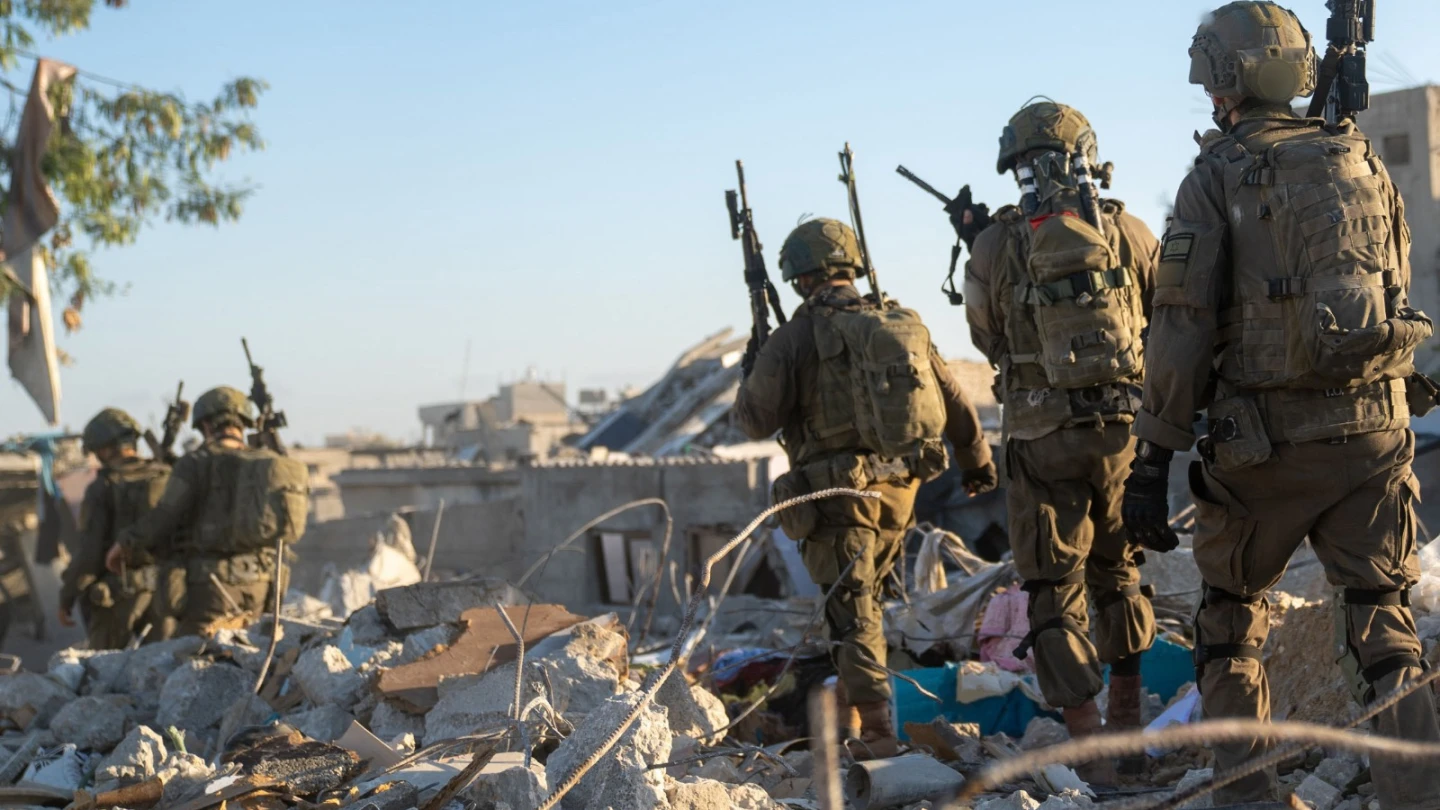
But Trump cannot restrain Netanyahu either. Both the prime minister and Defense Minister Israel Katz have repeatedly made it clear that if Hezbollah fires into Israel—especially at civilians—Israel will strike Dahiyeh, Hezbollah’s stronghold in Beirut. And that is exactly what happened. Once again, Israel enforced its red lines.
Trump reacted much as expected, but without particularly harsh language, merely noting that this was supposed to be the day of “peace” and that Hezbollah’s attack had been relatively limited. Yet shortly beforehand, U.S. Ambassador to the United Nations Mike Waltz and Defense Secretary Pete Hegseth had said exactly the opposite: Israel has the right to defend itself.
But does Israel fear being left alone if Iran now attacks directly? Will it have to respond on its own?
In reality, there is no contradiction between the fundamental alliance with the United States and Israel’s ability to fight alone if necessary. It has happened before. On June 14 last year, some 200 Israeli fighter jets struck 100 military and nuclear sites, eliminating more than 20 of the regime’s senior leaders. Only afterward did the valuable American B-2 bombers arrive to destroy Fordow.
Israel knows that if it must fight alone—after having already broken through the barrier of direct confrontation with Iran on multiple occasions—it will ask no favors of anyone. At the same time, it knows that its strategic relationship with the United States remains exceptionally strong.
Israel has often faced enemies much larger and more powerful than itself throughout its history. Trump, meanwhile, is pursuing his own strategic objectives: resolving the issue of the Strait of Hormuz and postponing any final decision on enriched uranium for the next 60 days.
But those issues, like Lebanon itself, are directly connected to Israel and ultimately engage Trump’s own credibility, which in this case coincides with Israel’s right to self-defense. The negotiations are still far from over.
The Iranian regime, like many of its allies, has been badly weakened. The numbers tell the story: a devastated economy, a decimated leadership and an increasingly diminished military structure. What Iran still possesses in abundance is determination.
But that determination is inseparable from the regime’s ideological nature and its rejection of genuine peace. As the late historian Bernard Lewis argued, the Islamic Republic defines itself through permanent struggle against the West, driven by an extreme messianic worldview and animated by the expectation of the return of the Twelfth Imam. It does not merely prepare for war—it seeks it.
That is why the U.S.-Iran peace agreement is not simply naive; it is dangerously misguided. Israel today is the only country that fully understands the nature of the regime it faces. The next 60 days may determine whether Trump and the rest of the world come to understand it as well.