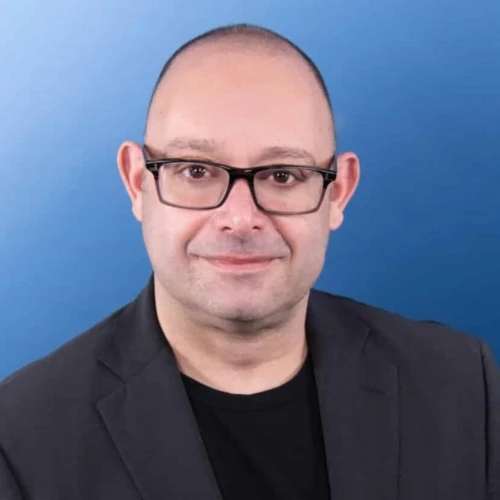

American citizen and father of five Moshe Eliezer Ilovitz went missing in Israel on a Saturday morning six weeks ago.
It is hard to believe, but there are as many as 100,000 missing persons in the United States at any given time. In Israel the number is much smaller, but still substantial. Each year about 30 people in Israel leave home and never return. Families often turn to private investigators out of frustration with the police and other agencies.
Yekutiel “Mike” Ben Yaakov, a volunteer who leads a canine search unit, claims the Israel Police are just not up to the task of finding missing persons. Frustrated families often turn to him, he says, but usually do so too late.
The search for Ilovitz is active and ongoing. The difference in his case is that he is a U.S. citizen, which means that not only do Israeli law enforcement and political leaders have an obligation to find him, but so do American governmental officials.
The last time I was involved in a missing persons case was after the disappearance of Naftali Fraenkel, Gilad Shaar and Eyal Yifrach on June 12, 2014. Several days later, I arranged a Fox interview with Naftali Fraenkel’s mother, Rachel, and Mike Huckabee, who had a show on Fox at the time. We did not know at the time that they had been murdered by Hamas. On June 30, 2014, their bodies were found. On July 8, 2014, Israel launched “Operation Protective Edge.”
Although no foul play was noted at the scene of Ilovitz’s disappearance, none of his personal effects were missing besides his tallis, raising the specter of a kidnapping or abduction.
Moshe Eliezer (“Elie”) was born in Brooklyn in 1982. He studied at Yeshiva Neve Tzion in Israel. He lived with his wife and five children in Moshav Mevo Modi’im. Elie had been commuting to the United States working in finance. Six weeks ago, he was in Meron like thousands of others prior to Lag Ba’Omer. The last time he was seen was at noon on Shabbat before Lag Ba’Omer.
Elie’s family has been working feverishly and tirelessly to find him. They are extremely distraught and have offered a reward of NIS 50,000 ($14,000) for information on his whereabouts. They implore anyone who may have seen him to call the Israel Dog Hotline at 054-487-6709.
American officials can be very helpful. Israeli political figures must get involved. The media can help tremendously here as well. We must realize that it is an obligation upon us all to find Moshe Eliezer Ilovitz as soon as possible.
Dr. Joseph Frager is first vice president of the National Council of Young Israel.