Newsletter
Newsletter Support JNS

Religious Zionist Party celebrates Israeli exit polls

The party is projected to garner six or seven Knesset seats, making it indispensable in any right-wing government.

Head of the Religious Zionist Party Bezalel Smotrich and activists celebrate at party headquarters in Modi’in on election night, March 23, 2021. Photo by Sraya Diamant/Flash90.

The Religious Zionist Party’s strong showing in the Israeli elections drew spontaneous celebrations and dancing at party headquarters in Modi’in, as soon as the exit polls came in on Tuesday night.

The party is projected to garner six or seven seats, making it indispensable in any right-wing government. Israeli Prime Minister Benjamin Netanyahu has called party leader Bezalel Smotrich, and the two discussed a future partnership.

The Religious Zionist Party has been cast by the left as extreme, due to the opinions expressed by some of its members.

Ahead of the election, Netanyahu called on right-wing voters to support the party, to make sure that it would succeed in garnering the four seats necessary to pass the electoral threshold—something that polls had predicted was questionable.

Simcha Rothman, who is listed fourth in the party list and is known for his professional legal work, was cheered by supporters with chants of “The Next Justice Minister!”

Moments after the results came in, a very emotional Rothman said this was “all due to the activists and with the help of God. The real results will be just as good, not just for us, but for the entire bloc. Let’s hope that, finally, a right-wing party emerges.”

This article first appeared in Israel Hayom.
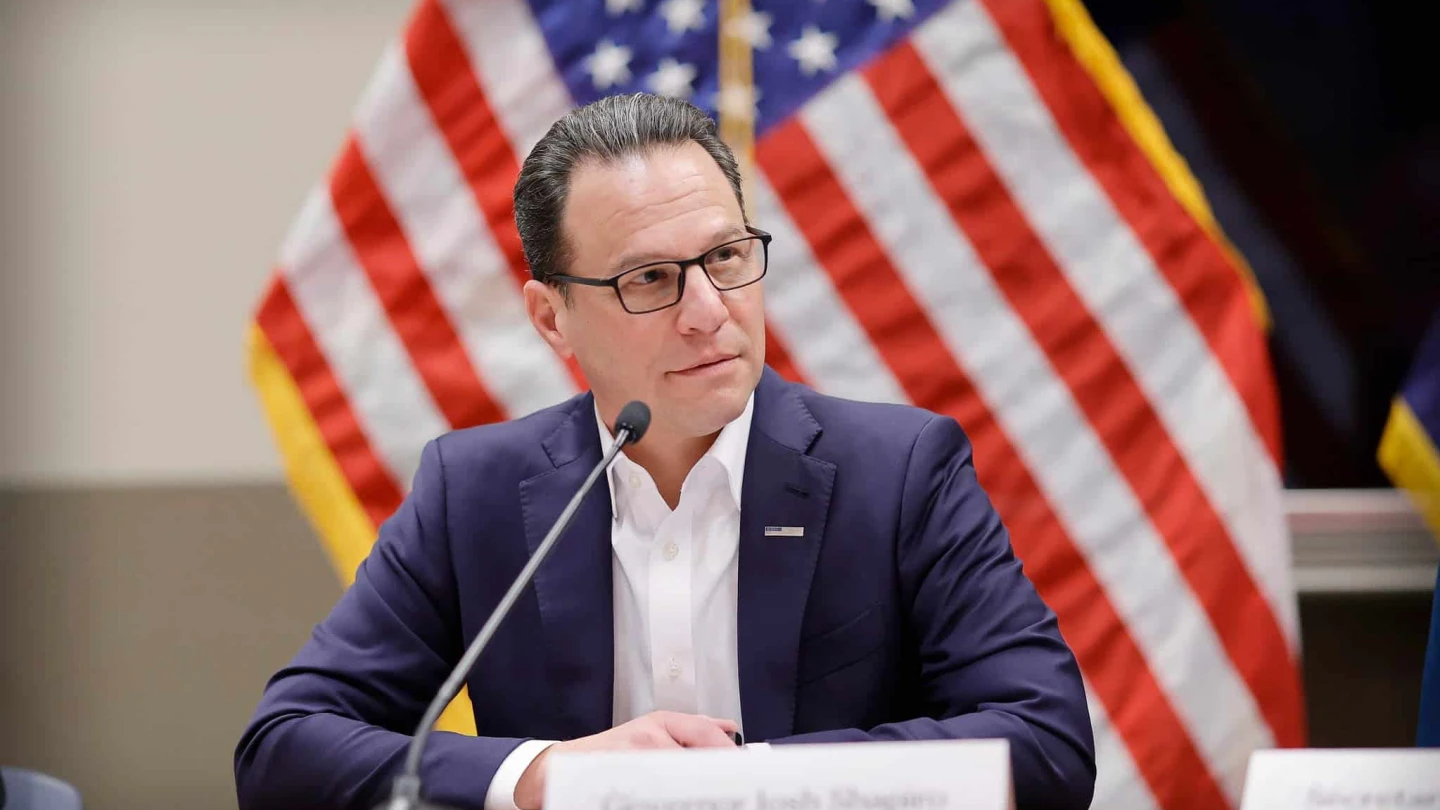
“You’ve got to win Pennsylvania to win the presidency. Presumably, if you can win Pennsylvania, you can win Wisconsin and Michigan as well,” Berwood Yost, director of the Franklin & Marshall College poll, told JNS.
PM says the IDF will apply its “aggressive” refugee-camp model in Hebron, evacuating residents and conducting house-to-house searches.
Q&A
In a wide-ranging pre-election interview with JNS, Israeli Prime Minister Benjamin Netanyahu discusses his alliance with U.S. President Donald Trump; the necessity to act against Iran; expand the Abraham Accords; tackle domestic challenges, including reintroducing judicial reforms; and further strengthening the Israeli economy.
“Parents send their children to school to learn reading, writing and math, not to be taught to hate Israel or embrace radical political causes,” stated Rep. Tim Walberg, chair of the House Education and Workforce Committee.